



Halloween is a time for telling ghost stories around a fire and spinning the kind of spooky yarns that can launch a thousand fantastic tales. However, truth is often stranger than fiction—and the weird ways of wildlife include a few behaviors that seem tailor-made for a frighteningly fun late-night movie.
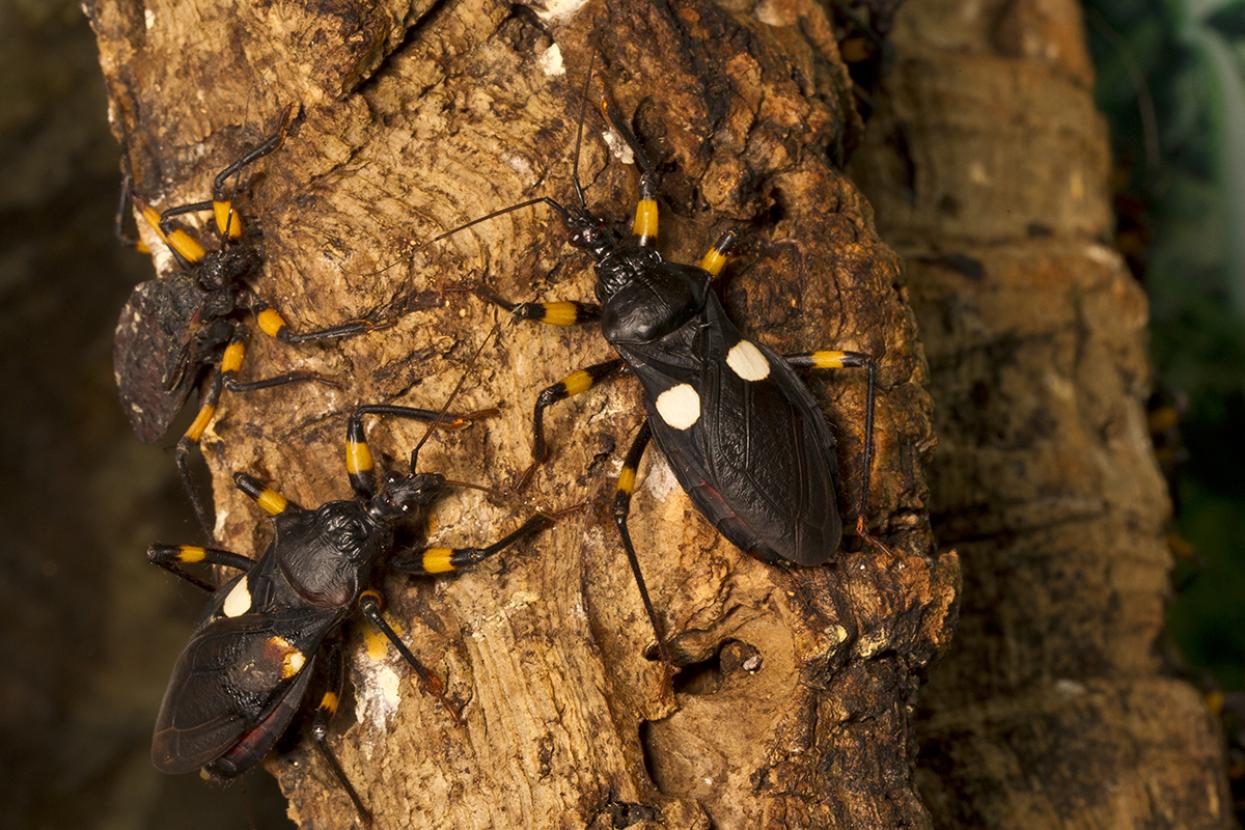
White-spotted assassin bugs use toxins to turn their prey into a meal.
Order Up
Assassin bugs are as aptly named as they are efficiently deadly. This small, winged insect wields a dagger-like beak to subdue their prey, and then uses their powerful front legs to hold their prey down. The white-spotted assassin bug’s strong, sharp beak injects toxins that liquefy insects’ organs, allowing them to suck their meal out. Some species will excrete a sticky substance and glue empty carcasses of past conquests onto their back—not as trophies, but more likely as camouflage or to attract other prey such as termites or ants.
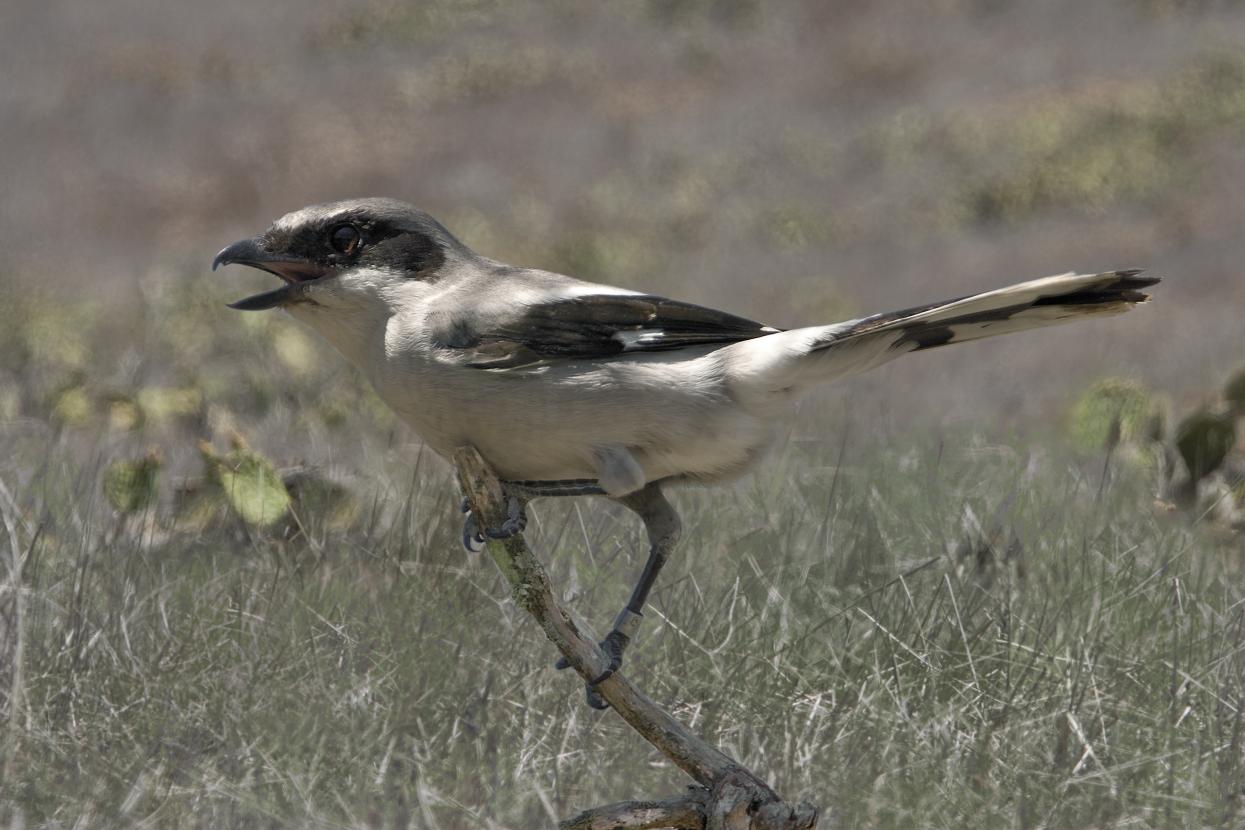
San Clemente loggerhead shrikes earned the nickname "The Butcher Bird" for their unique approach to preparing their latest catch.
Singing Striker
The pint-sized San Clemente loggerhead shrike, a bird found only on California’s San Clemente Island, have gained the nickname, “The Butcher Bird.” They catch lizards, mice, and snakes and impale them on long, sharp thorns. If the shrike is hungry then, they might eat right away. If not, that future meal might “hang around” until later, or at least until another loggerhead shrike drops by.
Shrikes hunt like they mean it, but due to steep population declines, they’re also endangered. Through our Southwest Conservation Hub, our on-island conservation breeding program is helping their populations recover so these birds can thrive—and strike—for generations to come.
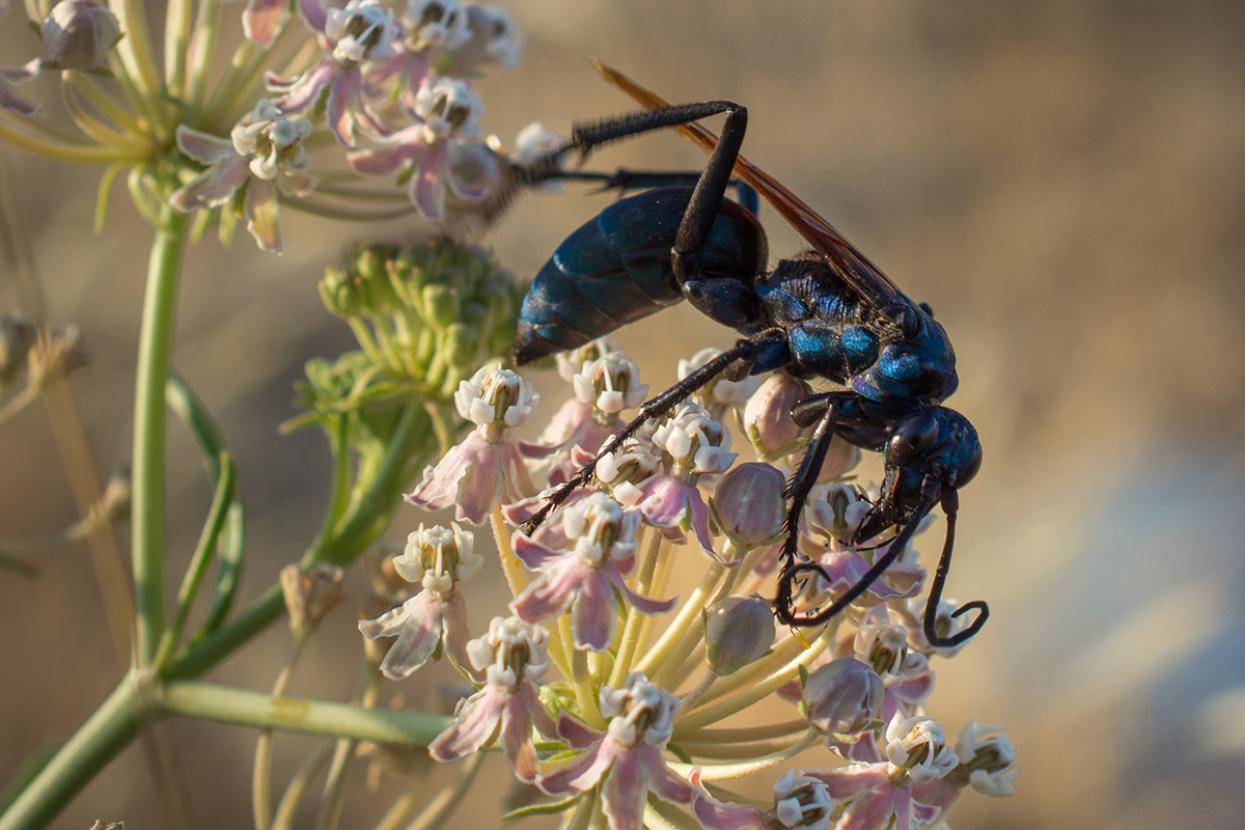
Tarantula hawks aren't tarantulas or hawks. They're wasps! | Photo Credit: LBall59/iStock/Getty Images Plus
It's All in the Name
Don’t be fooled by the name “tarantula hawk.” They’re actually wasps, and their name comes from hunting their prey of choice: tarantulas. When the large, hairy spider gets close, the wasp delivers a powerful sting—one of the most painful of any insect—which paralyzes it. However, killing the spider is not the goal of this arthropod. The wasp will lay a single egg on the immobilized arachnid’s body. When the egg hatches, the larva that emerges will feed off the tarantula until it grows into an adult wasp.
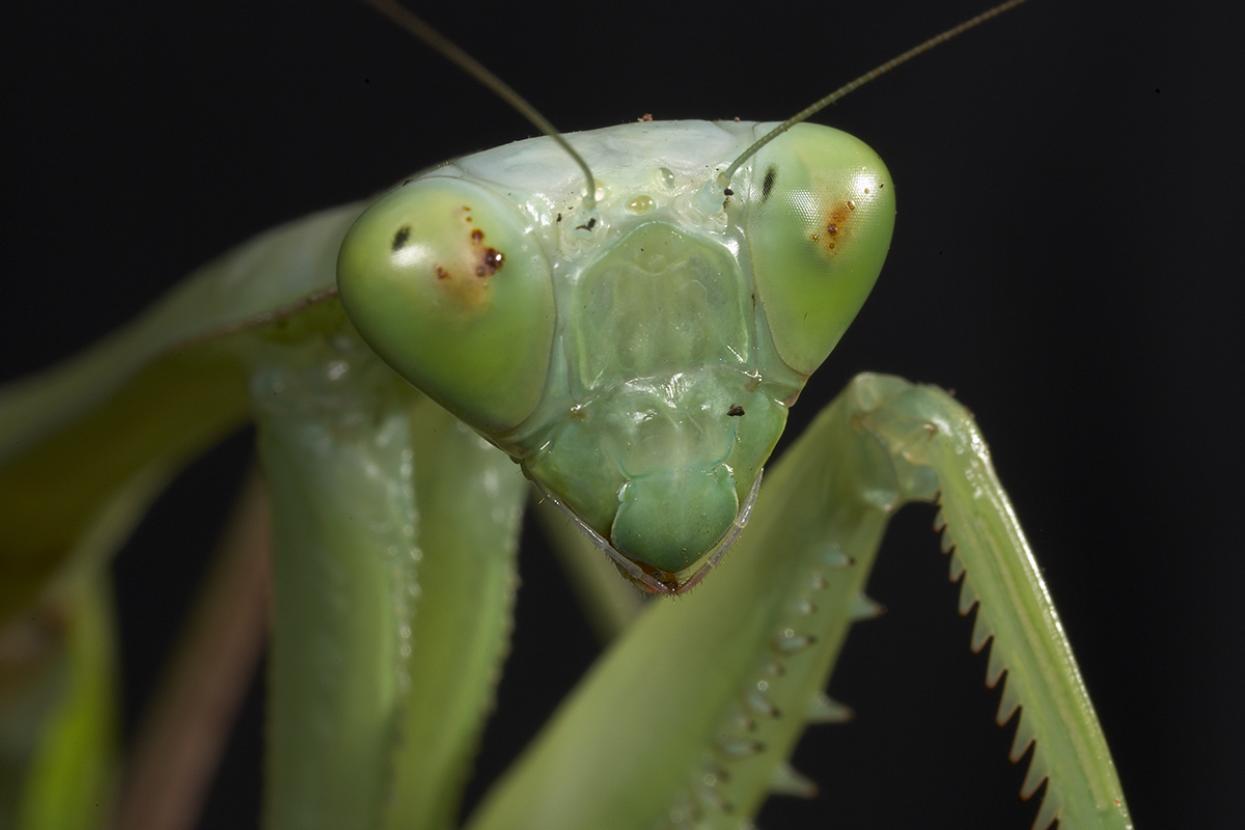
Praying mantises hide among leaves and flowers to ambush their prey.
Surprising Predator
While they might look docile to us, praying mantises are actually carnivorous ambush hunters. They often camouflage themselves to look like leaves or a flower. So when an unsuspecting grasshopper, cricket, or sometimes even a hummingbird, frog, lizard, or mouse, gets close, this predator grabs their prey using sharp-spiked front legs and opens their mouth wide to devour it.
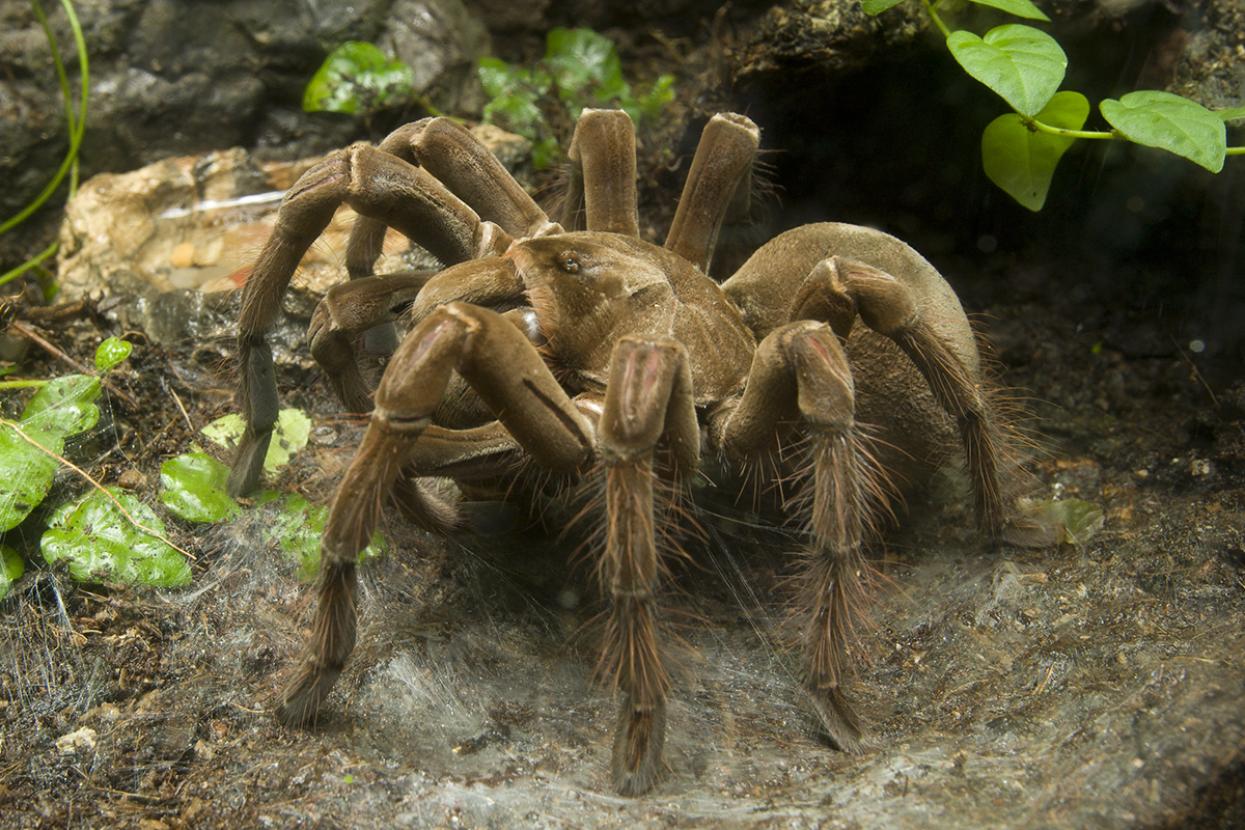
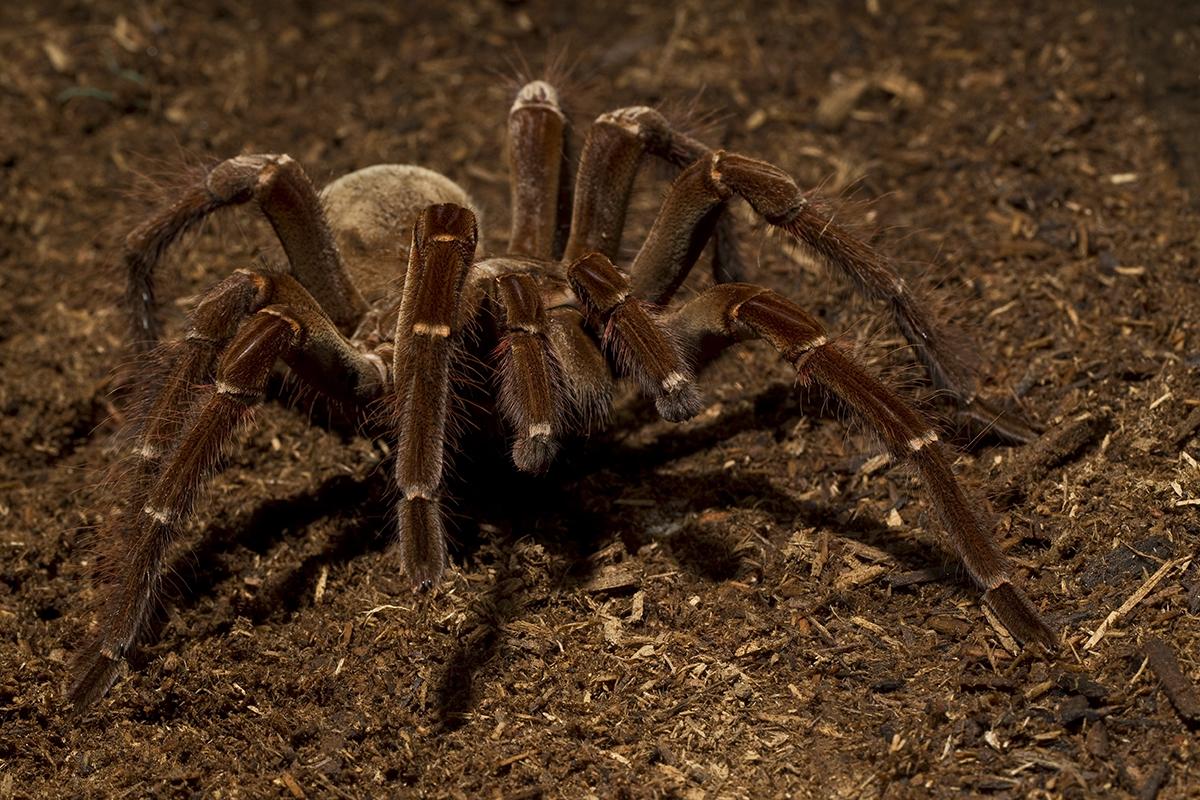
When tarantulas mate, the male must make all the right moves—or he might end up the female's next meal.
Dance with Me
Many people are frightened of tarantulas, but these large spiders try to avoid any contact with us. Female giant bird-eating tarantulas spend most of their time in the comfort of their own burrow. Without needing to leave home, they attract males just by putting out a “welcome mat” woven from her own silk. When a male comes to call, they may take a twirl. That’s because tarantulas mate in an unusual dance, with precisely timed leg movements and maneuvers that look something like a wrestling match. In order to mate, the male must get the female to raise her abdomen, and he must make all the right moves. If he doesn’t, he’ll become her next meal.
Find out more about lesser-known behaviors of wildlife at the San Diego Zoo and San Diego Zoo Safari Park. Plus, be sure to join us for some spooky seasonal fun at HalGLOWeen, every Friday, Saturday, and Sunday evening in October at the Zoo.
Insider Tip: Use this complete guide to plan your outing to this after-dark spectacular. If any of the species on this macabre list sparked your curiosity, make sure to connect with other not-so-spooky wildlife ambassadors during "Featured Creatures" at HalGLOWeen.
Discover how your visits are helping support wildlife conservation worldwide through our eight Conservation Hubs.