




Throughout the history of the San Diego Zoo and San Diego Zoo Safari Park, wildlife habitat design has gone through several shifts reflective of major trends in both zoological park priorities and public perceptions of nature. These shifts are informed by the ever-growing body of knowledge in wildlife care and behavior produced by the evolving field of conservation science. While some of the earlier examples of habitat design can still be seen at both the San Diego Zoo and the Safari Park, large areas of both parks have been transformed over time thanks to San Diego Zoo Wildlife Alliance’s organization-wide commitment to world-class facilities and the generous philanthropic spirit of its valuable supporters. Each transformation is representative of a massive multi-year effort and dedication to continuous improvement for the benefit of wildlife and new opportunities to connect every generation to nature in meaningful ways.
The Early Years and Design Improvements
To get an understanding of how much habitat design has changed over the last 100 years we can start by taking a look at what was happening the year the first issue of ZOONOOZ was published—1926. At this time American zoos were just starting to move away from barred cages and pit-style enclosures and beginning to utilize moats and grotto or cave-like habitats, such as the Zoo’s Lion Grotto. This allowed for a viewing experience that felt more open, but the habitats themselves were primarily concrete constructions that had nothing in common with the native ranges of the wildlife, nor did they provide much opportunity to support natural behaviors. But changes were on the horizon.
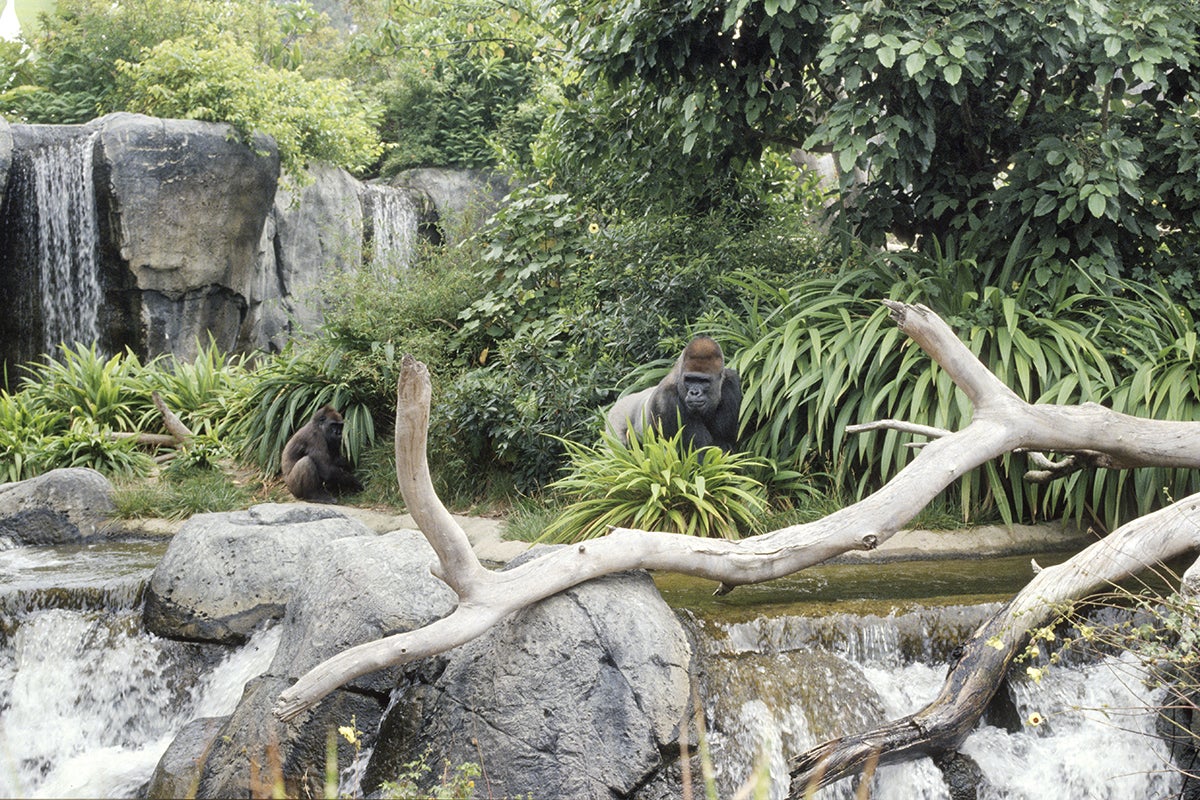
The early 1960s saw the construction of a new gorilla grotto at the San Diego Zoo. While these habitats increasingly had backdrops reminiscent of natural rock formations, they still had a ways to go in order to reflect the species’ native range and to include natural substrate or vegetation. It wouldn’t be until the mid-1970s that American zoo “exhibits” would finally start to transition into habitats with the emergence of the Landscape Immersion movement in zoo design. This movement was reflective of a growing cultural shift toward increasing environmental awareness.
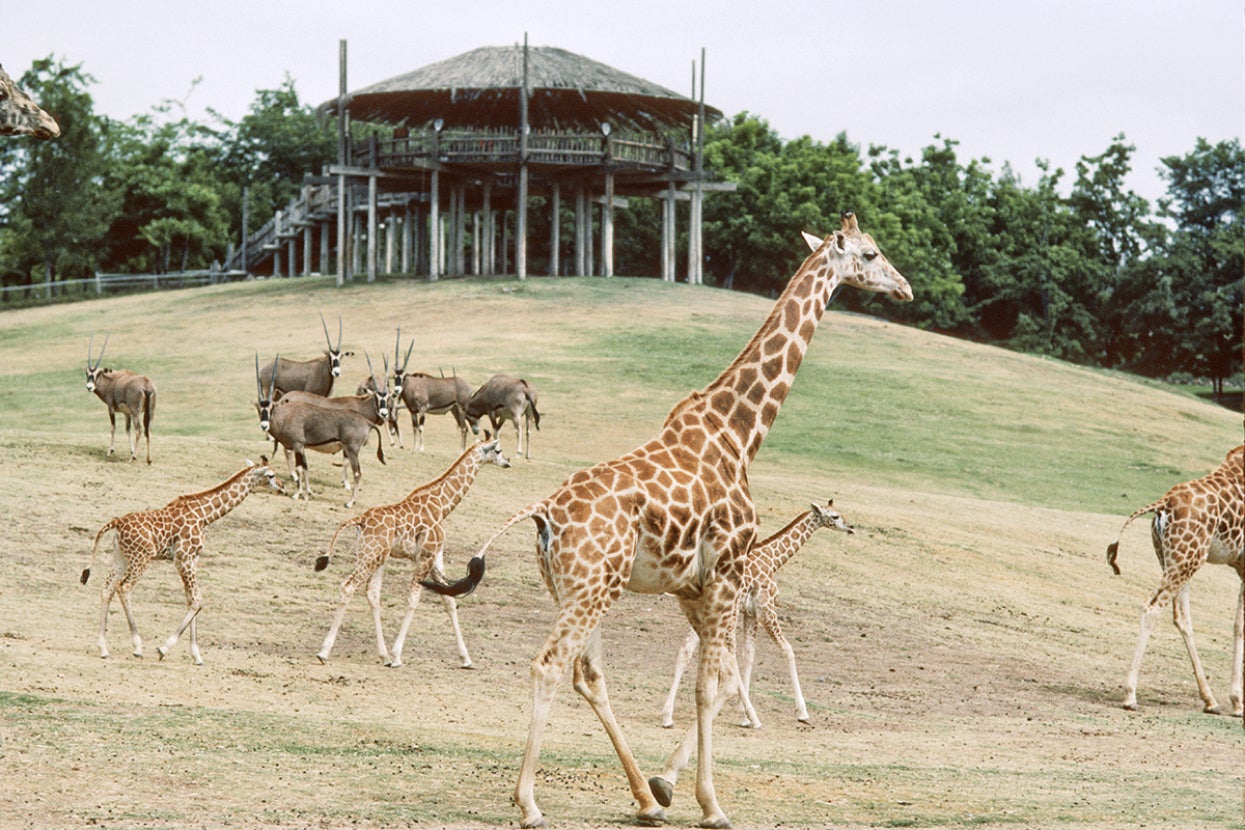
The San Diego Zoo Safari Park’s expansive, multi-species habitats closely replicate the wildlife’s native ranges.
A Growing Trend
The most important concept of Landscape Immersion is to extend the landscape experience of wildlife habitat into the realm of the guest viewing area. This extension of the landscape is paired with naturalistic landscape designs intended to reflect the species’ native habitat. The intent of combining these strategies was to transport the imagination of the guests to places not typically accessible in their everyday lives and to foster an emotional reaction and greater sense of appreciation for the natural habitats of the wildlife living in zoos. Of equal importance, the Landscape Immersion design strategies represented a shift in zoo philosophy to a biocentric ethic that set the stage for creating habitats that emphasized the experience of wildlife with increasing opportunities to engage in natural behaviors supported by their environment.
Ahead of its time, the San Diego Zoo Safari Park (then the Wild Animal Park) opened to the public in 1972. Many of the underlying concepts of Landscape Immersion were present in the design of the new field habitats. The natural climate and landscape of the San Pasqual Valley provided an excellent starting point for the creation of wide-open naturalistic habitats that are a very close proxy to the native habitats of the many wildlife species that the guests of yesterday and today can see roaming here. The field habitats were also an early example of mixed species living together in natural habitat groupings, providing guests with a unique glimpse of what they might see in the wildlife’s native ranges if they were to travel to some of the remote regions of Africa or Asia. In conjunction with the utilization of the natural climate and topography, these first Safari Park habitats employed layered landscape views, regionally appropriate plant palettes, and thematic architecture to connect guests to the natural habitats of the wildlife and highlight the importance of conservation in the protection of both plant and animal species. As was written in the May 1972 issue of ZOONOOZ, “Join us here… to contemplate the wild animals of the World and Nature’s wilderness… to strengthen a commitment to wildlife conservation throughout the world… and to strive toward Man’s own survival through the preservation of Nature."
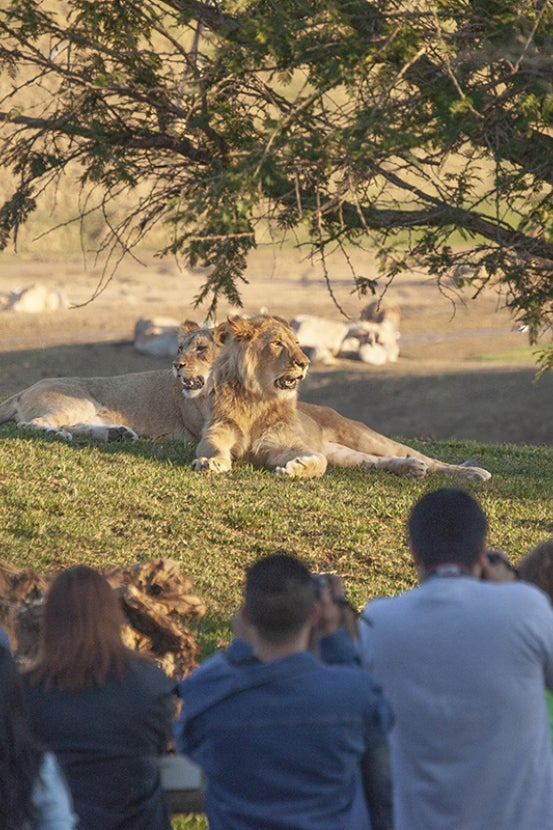
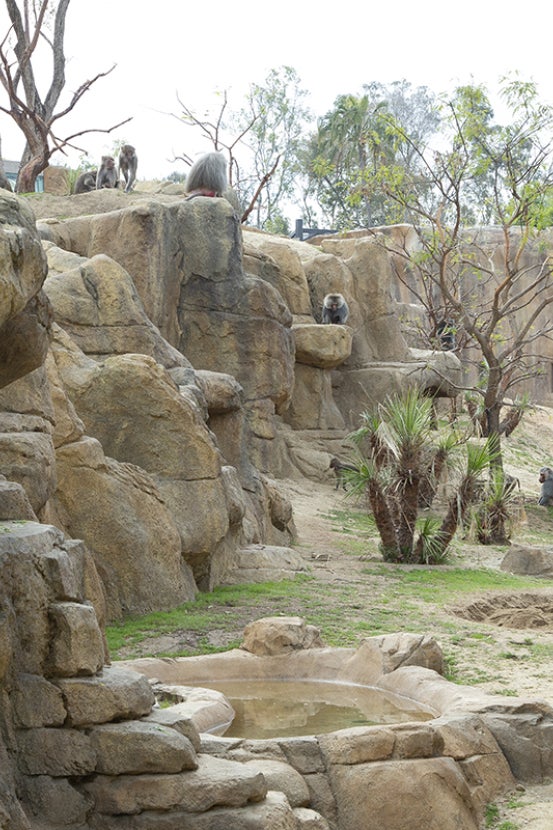
(Top) The Safari Park’s Sylvia G. Straton Lion Savanna’s Lion Camp provides the big cats with grassy hills, logs, rocks, and shade trees. (Above) For decades, guests have experienced habitats such as the San Diego Zoo’s Conrad Prebys Africa Rocks.
Lose Yourself at the Zoo and Safari Park
The first Landscape Immersion habitat at the San Diego Zoo was the 1982 Whittier Southeast Asian Habitats, which were the first phase of the transformative Heart of the Zoo projects and the Zoo’s first major renovation in 10 years. Thought to be a glimpse of the zoo of the future, these habitats were the beginning of what was to be a complete metamorphosis of what was then known as Bird and Primate Mesa to a bioclimatically accurate representation of the tropical rainforests of the world. Whittier Southeast Asian Habitats included what is now known as the Parker Aviary, a lush habitat for Southeast Asian birds, and six new immersive primate habitats including an orangutan habitat where it is currently located today perched above Fern Canyon. To reach the immersion goals of this first phase of the Heart of the Zoo, the Horticulture team, after six years of planning, spent four years collecting and germinating seeds for the establishment of mature plants in the construction phase. In addition, three large mature Southeast Asian fig trees were relocated from an area near the Warner Administration building to the project site.
It would be almost another 10 years before Heart of the Zoo phase two would be completed which included Gorilla Tropics, in the 2.5-acre Michael Dingman Family African Rain Forest that included the renovation of the Scripps Aviary. Gorilla Tropics became home to thousands of native African plants, multiple wildlife species, and a soundscape to recreate the ambiance of the lowland gorilla’s native habitat. Along with the continued development of Heart of the Zoo over time, the Zoo and Safari Park have built many projects with deep roots in the Landscape Immersion design movement. In more recent years, these include Tull Family Tiger Trail and Walkabout Australia at the Safari Park, and Conrad Prebys Africa Rocks at the San Diego Zoo. These projects are all examples of the ever-growing trend of Landscape Immersion in representing habitats from around the world by incorporating the plants and wildlife native to these regions and creating a cohesive experience that blends the design of the habitats and guest areas. The foundation of this trend is to foster new understandings and appreciation for the different habitats of the world along with the importance of conservation in supporting their continued existence. These principles still dominate zoo design today, but with a growing ability to support natural behaviors and connections to conservation stories that bring the actual work of conservation closer to home.
So what’s next?
Current perspectives on the future of zoo design continue to be grounded in the principles of Landscape Immersion but reach for the next level in authentic habitat experiences for wildlife, inspiring future conservationists, and integrating sustainable design and operations practices more cohesively. Zoo habitats of the future are trending toward being larger and in closer alignment to habitats in nature with the coalition of 4D experiences for wildlife like seasonal phenomena and needing to migrate or move to another area in search of resources or a mate. The increased emphasis on connecting guests with the importance of conservation work and the continued trend toward sustainable design, construction, and operation of habitats and facilities reinforces the healthy planet, healthy people ethos that underscores the Alliance’s vision of a world where all life thrives.