



Over recent years, San Diego Zoo Wildlife Alliance has been devoting more energy toward a rising and significant threatt o African savanna elephants: human-elephant conflict (HEC). HEC is a catch-all term referring to a collection of interactions resulting in negative outcomes. These can include elephants raiding crops, destroying property, knocking down trees important to people, or harming people they encounter along walking paths. Such interactions can result in retaliation against and intolerance toward elephants.
These challenges are immense and complex: interactions between humans and elephants vary seasonally and spatially, elephants habituate to mitigation methods when the risk is low and the reward is high, and different experiences and circumstances of local people shape what approaches may be palatable or successful. Since 2022, we have been delving into these complexities with members of the Naibunga Lower Community Conservancy (NLCC) in northern Kenya, a conservancy that supports a pastoralist community and is situated as an important connecting habitat for wildlife.The people in this region experience high rates of HEC and other wildlife conflict. Given the dynamic nature of conflict and coexistence, our approach has been to build adaptive capacity within the community while leveraging existing networks on the wider elephant conservation landscape. Three years into the project, we are proud to support a diverse constellation of coexistence contributors, who all play integral roles in our efforts.
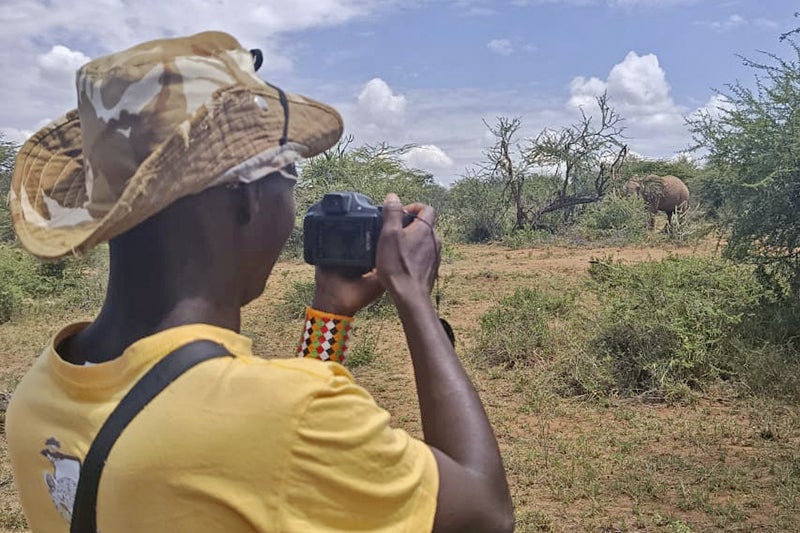
Steering all of our efforts is Mr. Ambrose Letoluai (pictured below), Loisaba Conservancy’s coexistence coordinator and longtime Alliance collaborator. While Ambrose wears many hats within NLCC, his HEC role has been to communicate between different segments of society, plan for effective interventions, and identify people and approaches with potential for impact. He provides vital context and understanding, connecting people with a wide range of experiences and roles. Ambrose supervises a group of 12 early career conservationists from the clusters within the conservancy, who comprise the Community Conservation Assistants (CCAs). The CCAs monitor interventions and act as resources for their communities on HEC following trainings on elephant conflict mitigation tools.
Among the roles of the CCAs is to liaise with 32 coexistence ambassadors, volunteers who have been nominated by their community to accompany children on walking routes to and from four primary schools. These ambassadors assemble with students at set meeting points, communicating with their networks about recent signs of elephants in the area, modifying routes as needed, and ensuring children arrive safely. Within NLCC and other pastoralist communities throughout northern Kenya, young male warriors (“warani”) play a unique societal role. They are entrusted protectors, often accompanying livestock herds to remote areas for long stretches while keeping themselves and their animals safe.
Recently, our program has developed a Human-Wildlife Conflict Rapid Response Team (HWCRRT), which includes six warani. These warriors will monitor the presence of elephants, respond to reports of HEC, and limit escalation.The recently established Chui Mamas Centre, a women’s livelihood organization located within NLCC, also contributes to coexistence in their plans to sell conflict mitigation supplies to community members and to support their implementation through demonstration sites. Finally, there are people outside of the community who contribute to the larger goals of human-elephant coexistence within NLCC. Loisaba Conservancy research and conservation staff drive education and outreach, hosting discussions on safe behavior around elephants. Scientists work to document the context and efficacy of our approaches and to place our work within a larger discourse on conflict prevention and community-based conservation. Living alongside elephants presents many challenges and benefits, and there are many roles to fill. We look forward to growing the efforts of these teams over the coming years.
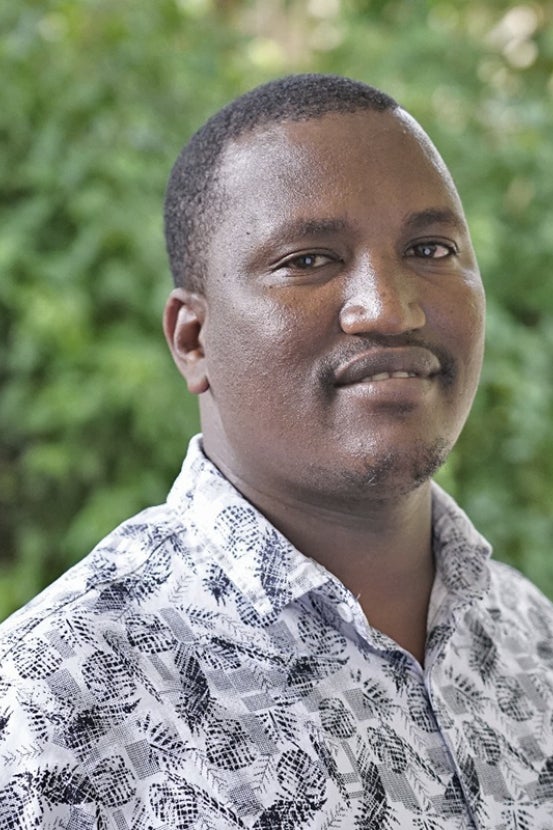
Ambrose Letoluai is Loisaba Conservancy’s coexistence coordinator and longtime Alliance collaborator.
Photos courtesy of Ambrose Letolaui