




Every year, you probably visit the doctor for a routine physical, teeth cleaning, or general checkup. For the wildlife we care for at the San Diego Zoo and San Diego Zoo Safari Park, it’s surprisingly similar. And just like it is for people, oral health is a vital part of an animal’s overall well-being, helping them live longer, heathier, and more comfortable lives.
From routine checkups to intricate root canals, our expert veterinary teams are uniquely equipped to address the diverse dental needs of a wide range of species. Additionally, they collaborate within the veterinary field to exchange knowledge and stay at the forefront of providing world-class care. Let's take a closer look at wildlife dentistry and how we help keep all kinds of teeth in tip-top shape.
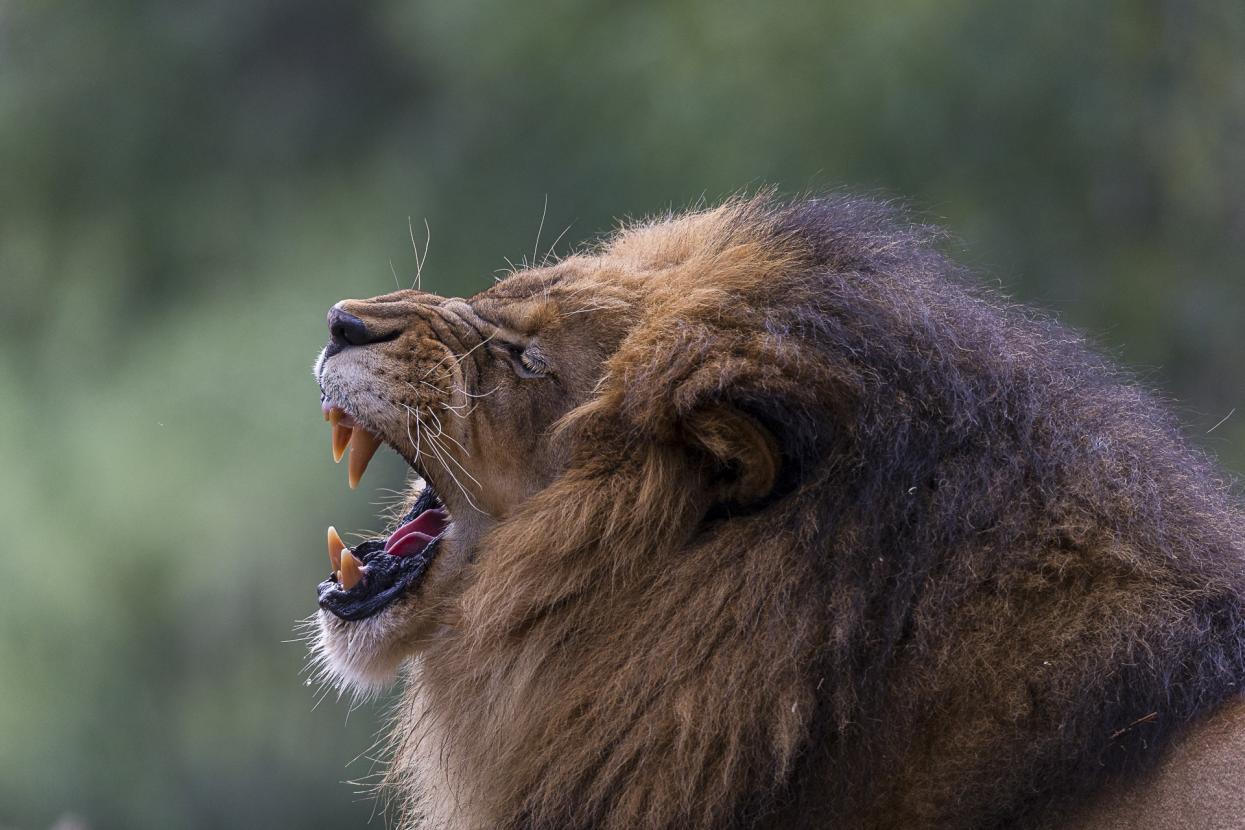
Oral health evaluations are a key part of the comprehensive wellness exams for the wildlife we care for.
The Whole “Tooth” on Wildlife Dentistry
We care for more than 15,000 animals at the Zoo and Safari Park. Part of their care includes routine physical exams. These are comprehensive, addressing multiple health aspects in one session, with oral health evaluations being a key component. The frequency and scope of these evaluations vary depending on the species, age, and needs of the animal.
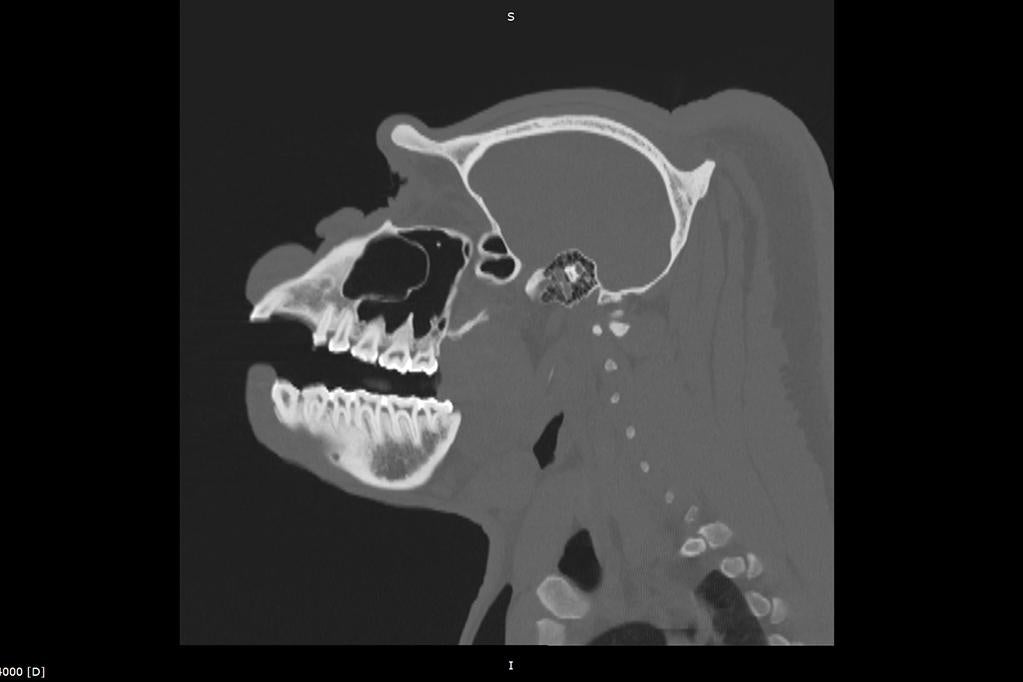
Much like your visits to the dentist, animals undergo everything from detailed tooth charting to advanced imaging such as X-rays or CT scans, helping identify problems before they could potentially become more serious conditions. Treatments can include cleanings, root canals, or extractions, providing each animal with care and support for their long-term health.
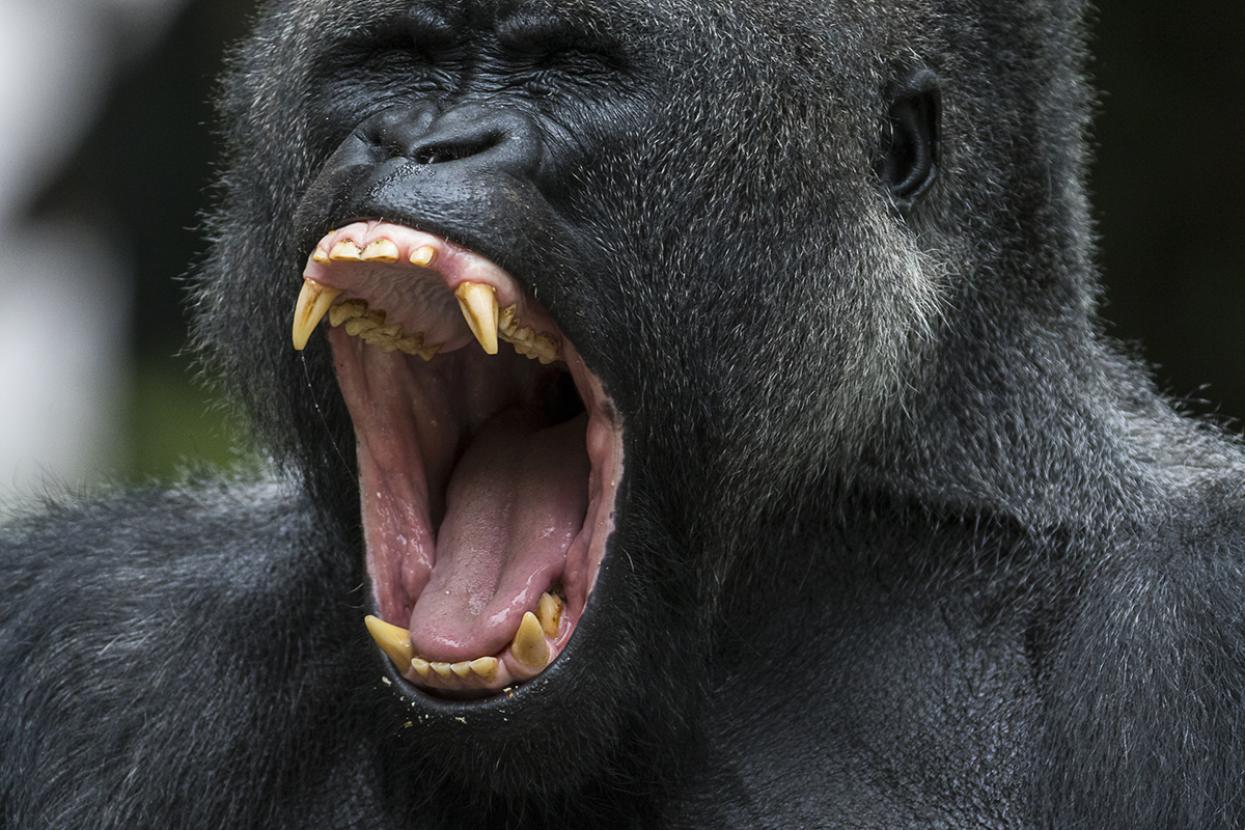
Say "ahh!" Because of advanced diagnostics, we're able to detect and address dental issues earlier, improving outcomes.
Similar to how some people are more prone to cavities, certain animals can be more prone to dental issues. But because of advanced diagnostics, we can detect and address these problems much earlier and improve outcomes significantly. In native habitats, wildlife with untreated dental issues often endure chronic discomfort or life-threatening complications. That’s why our veterinary teams take what they learn here at the Zoo and Safari Park and share it with our partners to save, protect, and care for wildlife worldwide through our eight Conservation Hubs.
Smiles Across Species
A unique advantage of our large and comprehensive veterinary team is having in-house specialists with expertise in wildlife dentistry, allowing us to address complex cases with precision and efficiency.
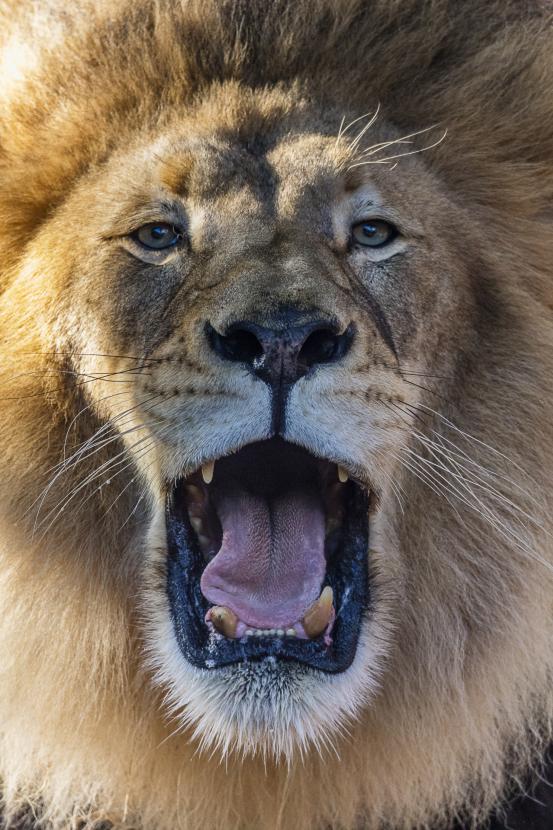
The teeth of a lion are like multi-purpose tools, and sometimes those tools need extra attention.
Take lions, for example. Lions rely on their powerful teeth as their multi-purpose tools. Their teeth are essential for gripping prey, devouring meals, and even baring them in defense and fighting. When Bo, a lion who lives at the Safari Park, recently came in for his routine exam, our team recognized that his “tools” needed special attention. The team performed a root canal on Bo’s right mandibular (lower jaw).
Another lion, named Ernest, was also recently treated as he needed root canals on two teeth—care neither big cat would have gotten in native habitat. Both lions were quickly on their way to recovery thanks to our team’s early action and expertise.
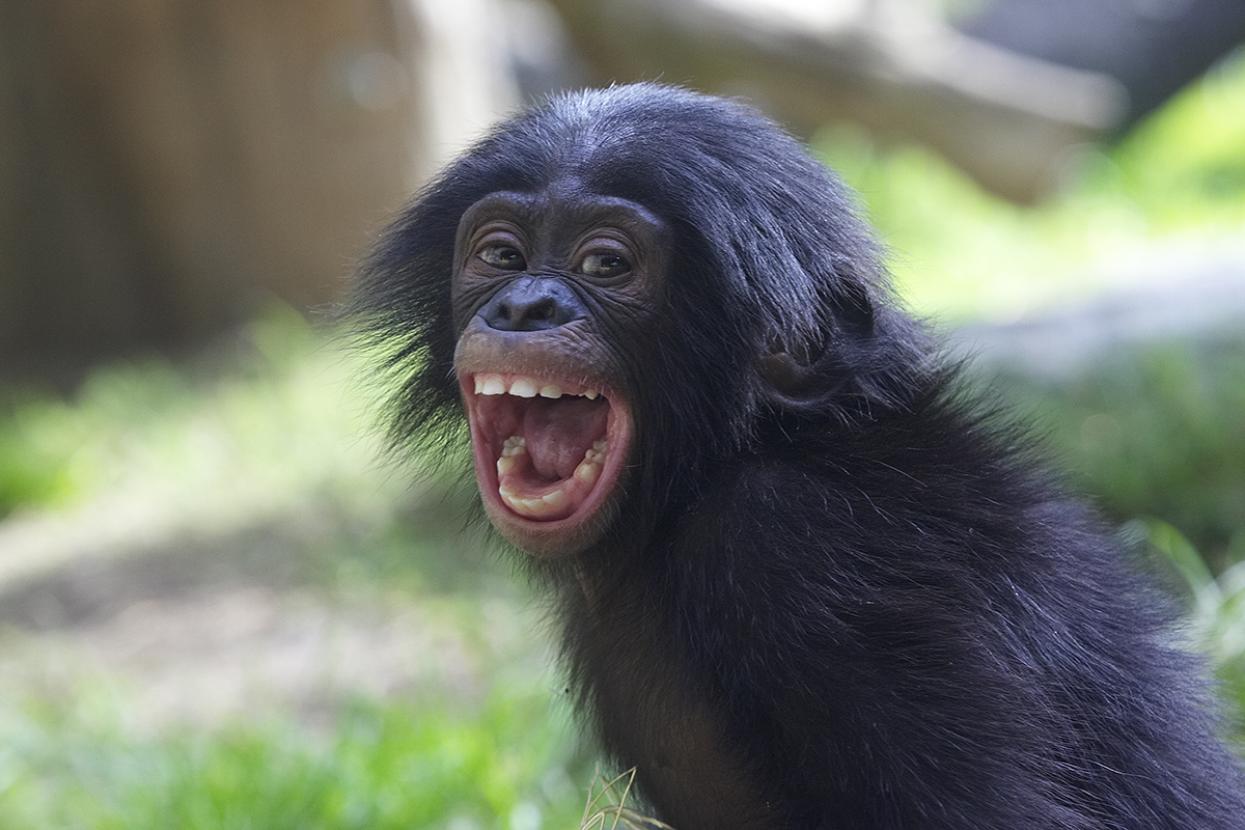
For geriatric great apes, including bonobos, their dental health is often similar to that of an aging person.
Dental health in geriatric great apes, including gorillas and bonobos, is often similar to that of elderly people, and the solutions to treat them are too. When Loretta, an older bonobo at the Zoo, began showing signs of gingivitis, gum recession, and periodontal pockets, our team meticulously cleaned and treated all affected areas. Additionally, one of her premolars had become loose due to bone loss so to relieve any possible discomfort and prevent further issues, the tooth was carefully removed.
Even Andean bears, with their formidable canine teeth, sometimes need a helping hand. Turbo, an adult male, underwent a procedure for restoration on a previous root canal and received a placement for a temporary root canal on the other side of his mouth. Then, molds were taken to create custom-fit titanium alloy crowns for long-term durability. Every animal’s care looks different, and this tailored approach will help keep Turbo’s teeth healthy for years to come.
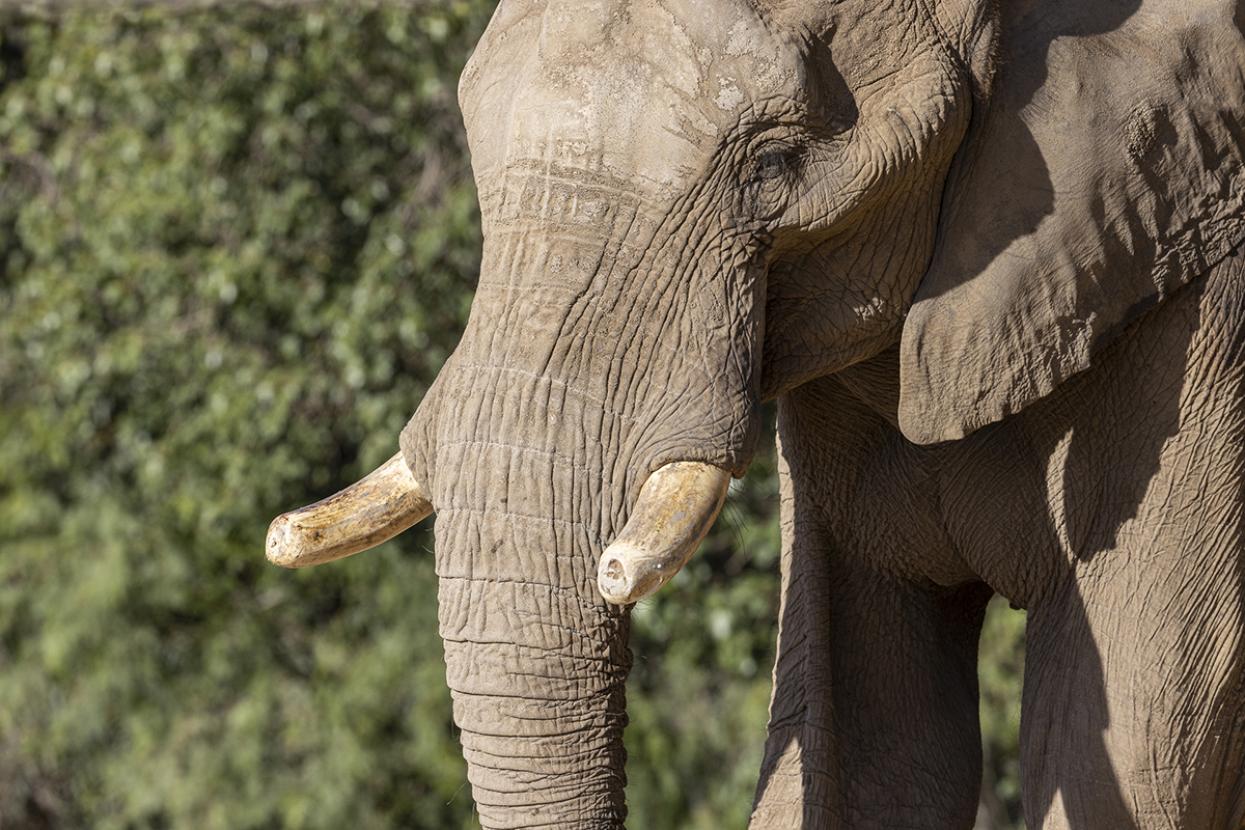
Much like our fingernails, elephant tusks are built for active use.
Tusk Treatment for Elephants
African elephants are frequently on the move, exploring their worlds and interacting with their herd. Their tusks, much like our fingernails, are built for active use. Sometimes they crack or chip, and they continuously grow. When an elephant has a minor fracture on their tusk, it typically requires no intervention. However, when a break that exposes the pulp cavity happens, it can lead to serious infection. In these cases, our expert teams offer supportive treatment and extraction when necessary. These intricate procedures are vital for the elephant's comprehensive wellness and lifelong health.
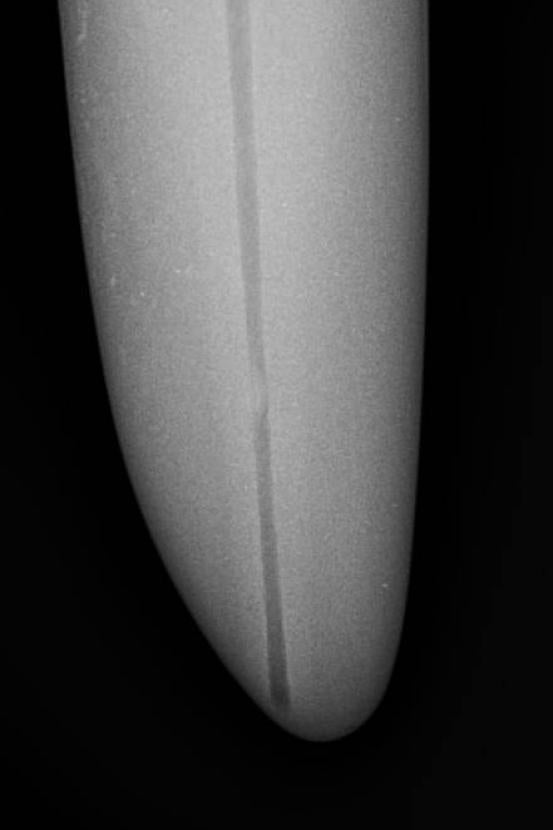
Radiographs are used to assess elephant tusks.
More Than Just a Cleaning
Healthy mouths are essential to eat, drink, and thrive. Whether it’s treating the powerful jaws of a lion or the delicate mouth of a bonobo, our dedicated veterinary team uses state-of-the-art technology and specialized skills to give every individual expert care. On your next visit to the Zoo and Safari Park, take a moment to notice the mouth, beak, or snout of each animal you connect with. You might just be amazed at what you discover.
Explore how your support is safeguarding the future for wildlife—and their mouths—worldwide through our eight Conservation Hubs.