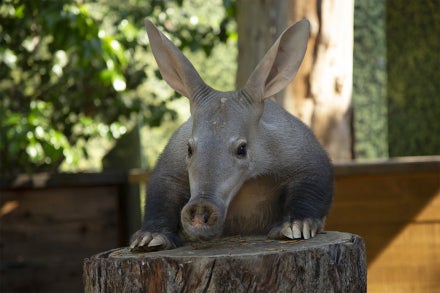




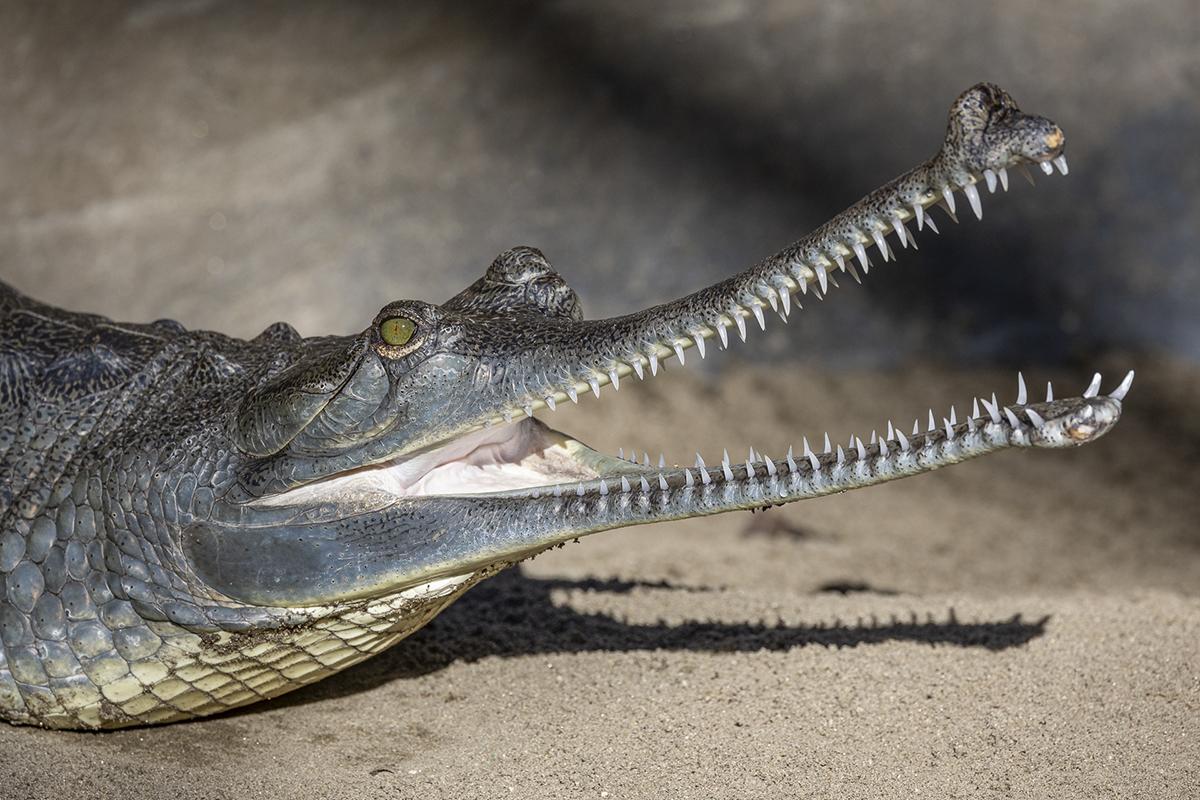

In the world of wildlife, teeth are the ultimate multipurpose tools. Beyond simply chewing food, they serve as formidable weapons for defense, instruments for building homes, powerful signals for attracting mates, and more. Their functions and forms are seemingly endless, and for countless species, their unique teeth are fundamental to thriving in their dynamic global ecosystems.
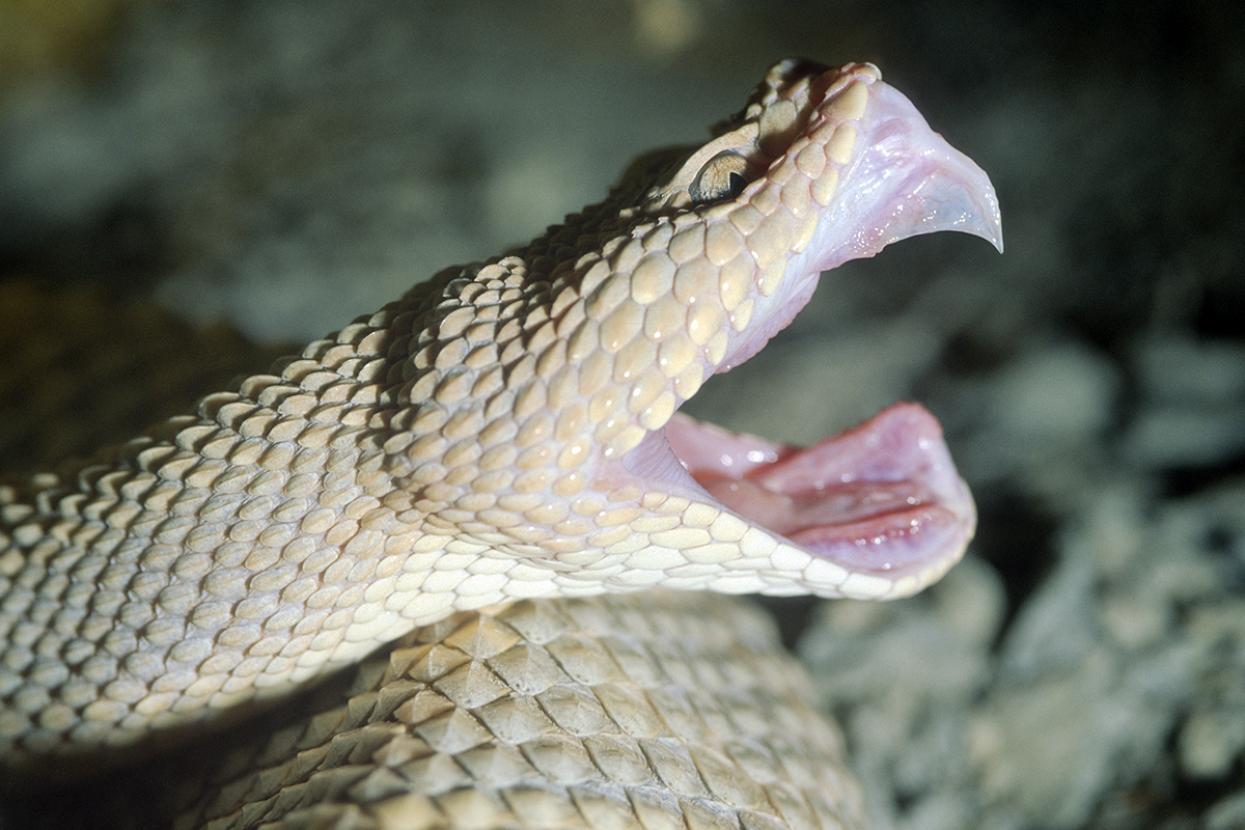
Vipers, like this Aruba Island rattlesnake, have fang sheaths, a layer of tissue that supports the teeth and may even aid venom delivery.
Fangs a Lot
Strictly speaking, fangs are elongated, pointed teeth, which are found in many wildlife. Some species, though, are particularly well known for theirs—and the venom they deliver.
Snake fangs are surprisingly diverse. Rattlesnakes have hollow fangs that inject venom quickly through pressure, like a hypodermic needle. Boomslangs have grooved fangs, which channel venom into prey. Spitting cobras can even shoot venom up to six feet away into a predator’s eyes. Regardless of their form, fangs help snakes secure nutritious food and deter threats.
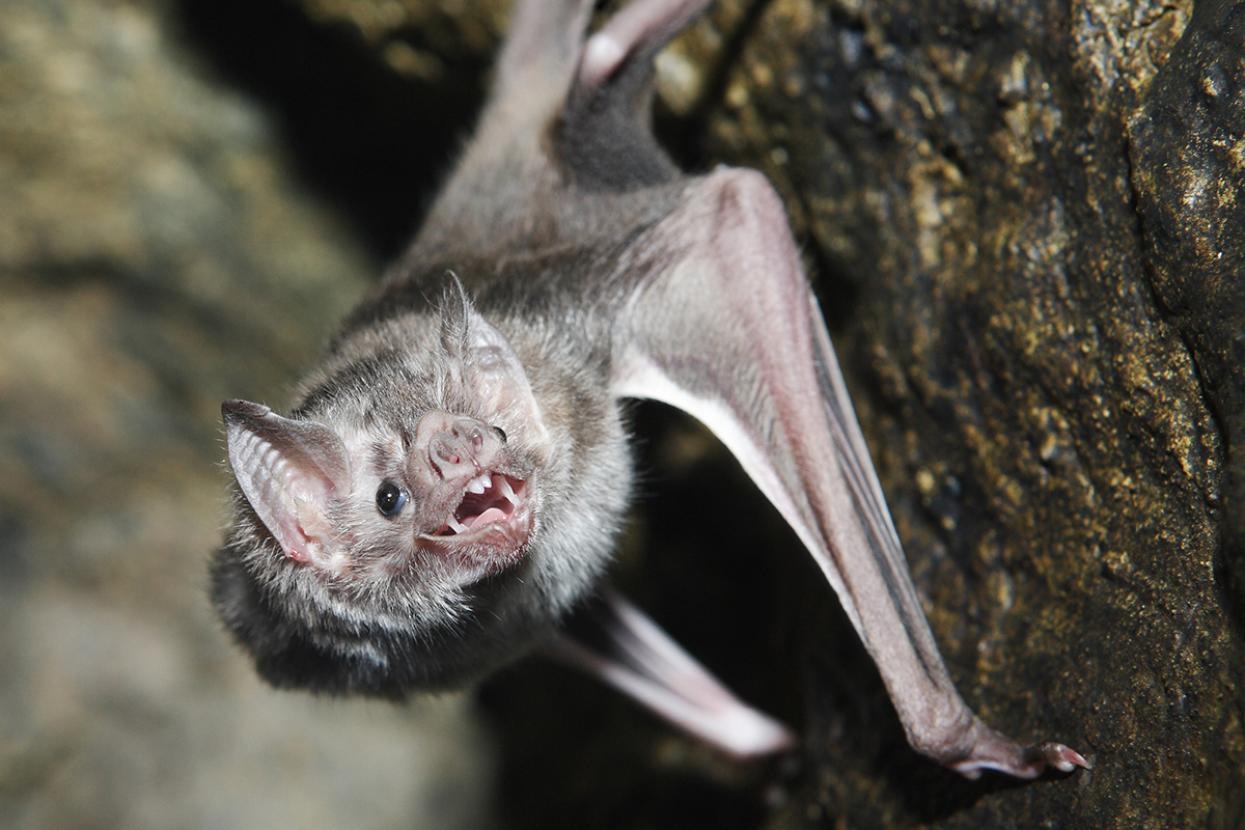
Vampire bats have the fewest teeth among bat species, which works out just fine since they feed exclusively on blood and not solid food.
Many spiders also have fangs, including tarantulas. These nocturnal arachnids use them to deliver venom that kills the insects, lizards, and frogs they feed on. Then a chemical in the venom helps dissolve the prey’s flesh, which aids digestion.
Contrary to horror movie myths, however, vampire bats don’t actually suck blood, nor do they produce true venom. Instead they use their sharp teeth to make a small cut in their prey’s skin and lap up the blood. An anticoagulant in the saliva prevents the nick from healing quickly, but it’s nontoxic and is more an annoyance for the victim than a serious wound.
While fangs may seem frightening, remember that most of these animals would rather avoid harming us, so mindful human-wildlife coexistence can keep us all safe and healthy.
Creep over to the Klauber-Shaw Reptile House and The McKinney Family Spineless Marvels at the San Diego Zoo to connect with snakes, spiders, and other fanged wildlife.
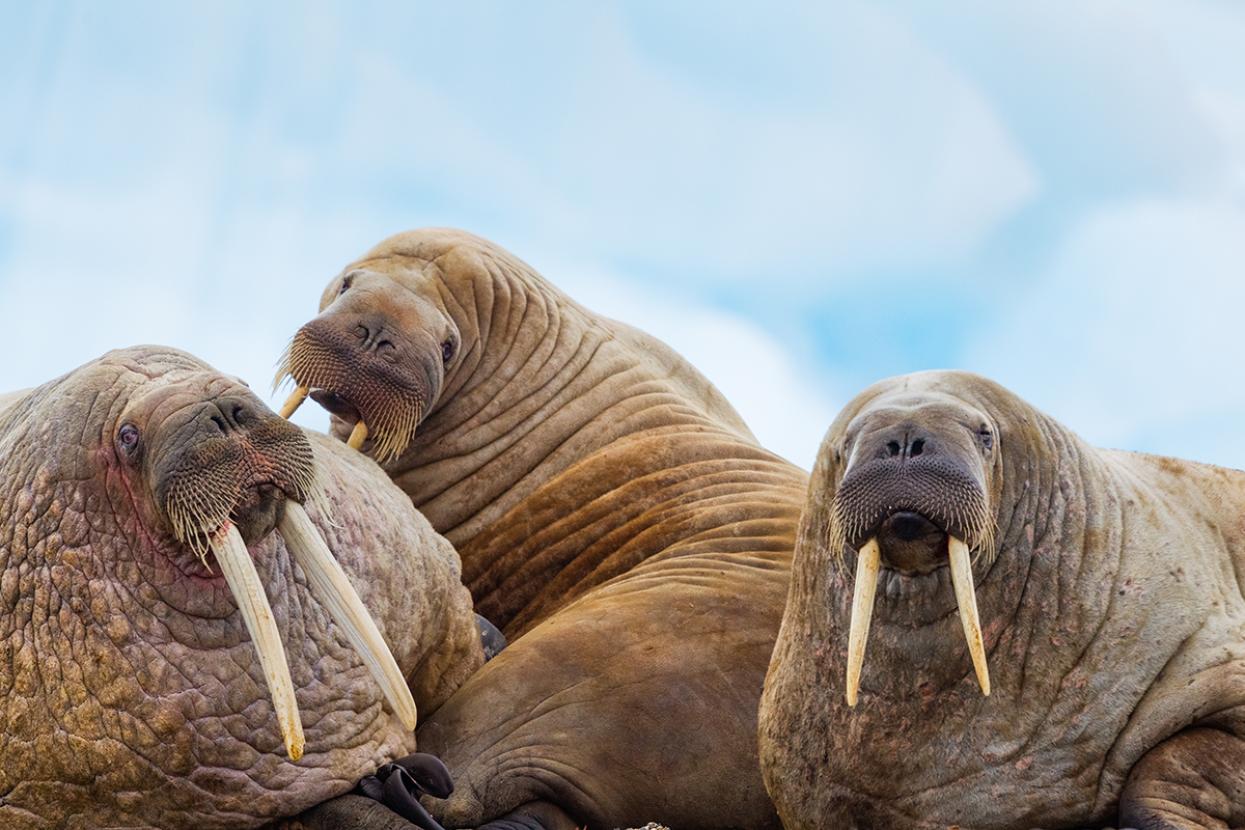
In both males and females, walruses with larger tusks tend to achieve social dominance in their group.
Long in the Tooth
Fangs aren’t the only elongated teeth standing out, figuratively and literally: tusks project from an animal’s mouth even when it’s closed.
Walruses use their tusks to break through Arctic ice, creating breathing holes that allow them to surface after scouring the seabed for food. Their impressive teeth can also be used like grappling hooks to heave their bodies out of the water or navigate across slippery terrain.
Though often mistaken for a horn, a narwhal’s flexible, spiraled protrusion is actually a tooth extending from the upper lip. These teeth are highly sensitive too, with up to 10 million nerve endings that help the narwhal interpret its ocean surroundings.
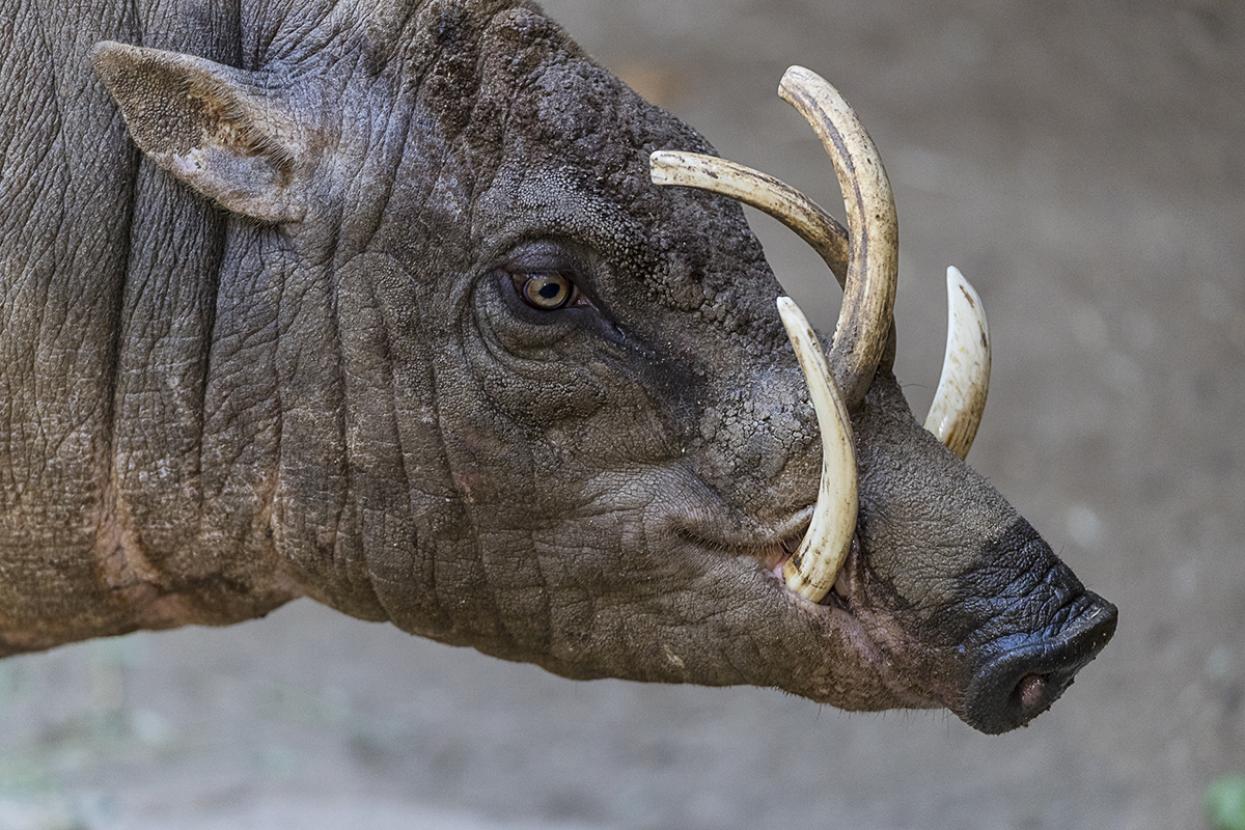
It’s easy to see why babirusa means “pig deer” in Malay: their tusks resemble deer antlers.
Male babirusas boast double the dental with two pairs of tusks. Their upper teeth actually grow through the skin of their snout, curving back toward their foreheads. While scientists are unsure if these tusks evolved for protection or attracting mates in their tropical Indonesian habitats, they certainly make an impression as they can grow up to a foot long.
Elephants have perhaps the best-known tusks, used for carrying food, digging for water, defending the herd, and more. Unfortunately the illegal ivory trade continues to endanger these gentle giants. We collaborate with partners through our Savanna Conservation Hub to prevent poaching so elephants everywhere can thrive.
Learn about tremendous tusks at the San Diego Zoo Safari Park when you connect with babirusas on Lagoon Loop and elephants at Denny Sanford Elephant Valley, opening early 2026.
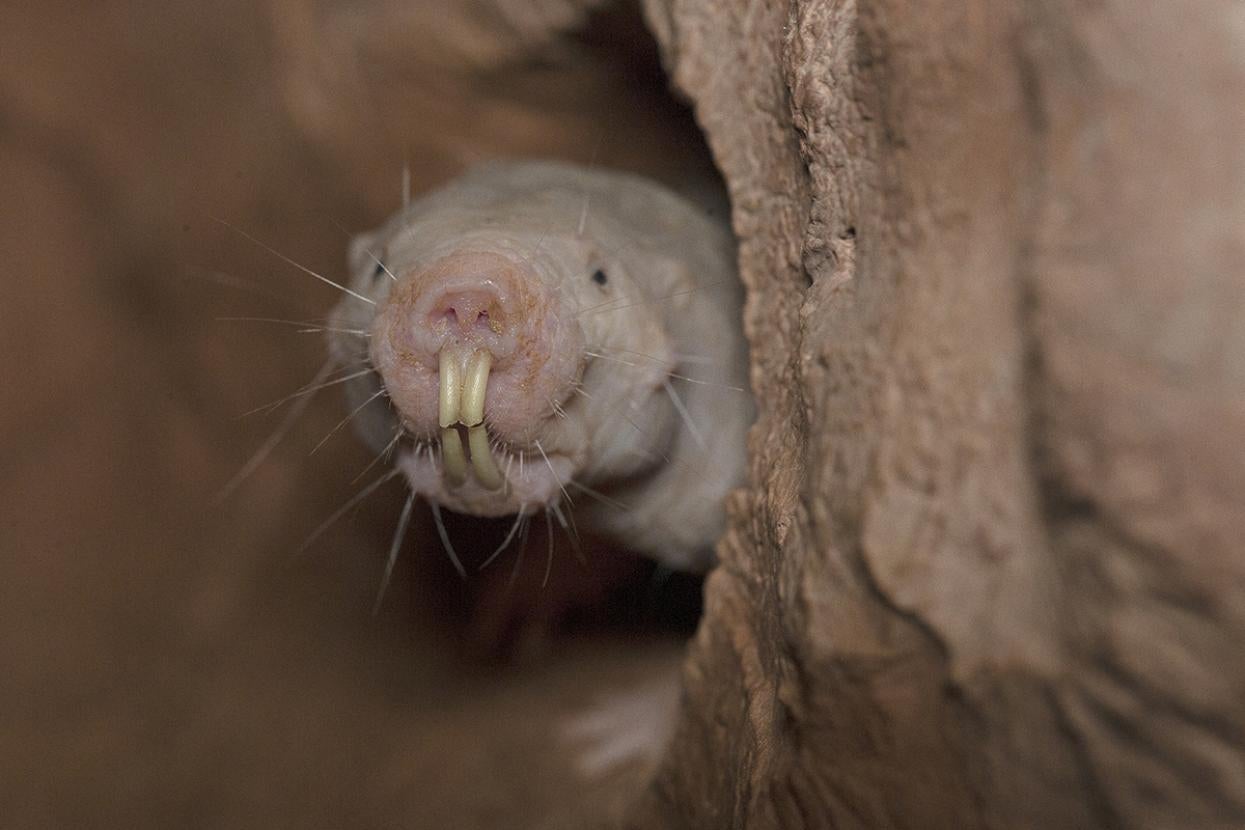
Naked mole-rats use their powerful incisors to gnaw through dirt and create extensive tunnel systems.
Growing and Growing
Tusks often keep growing throughout an animal’s life, and rodent incisors do the same. These front teeth are always in use as the rodent feeds on seeds, nuts, fruit, and sometimes other small animals. The continual erosion this causes is important for the rodent’s safety, preventing the teeth from growing too large and harming the jaw or skull.
This explains why rats and mice also chew on your pipes, furniture, and walls: it actually keeps their teeth healthy. And in between all this gnawing, they grind their teeth against each other, ensuring the incisors stay short and sharp.
This constant dental action requires rodent teeth to be incredibly strong—stronger than even steel. Beaver teeth, for example, are fortified with iron, enabling these semiaquatic mammals to chew through trees to build their dams, which are essential for reducing floods and droughts in their freshwater ecosystems.
You can discover many rodents on your next visit to the Zoo, including naked mole-rats, prairie dogs, and capybaras.
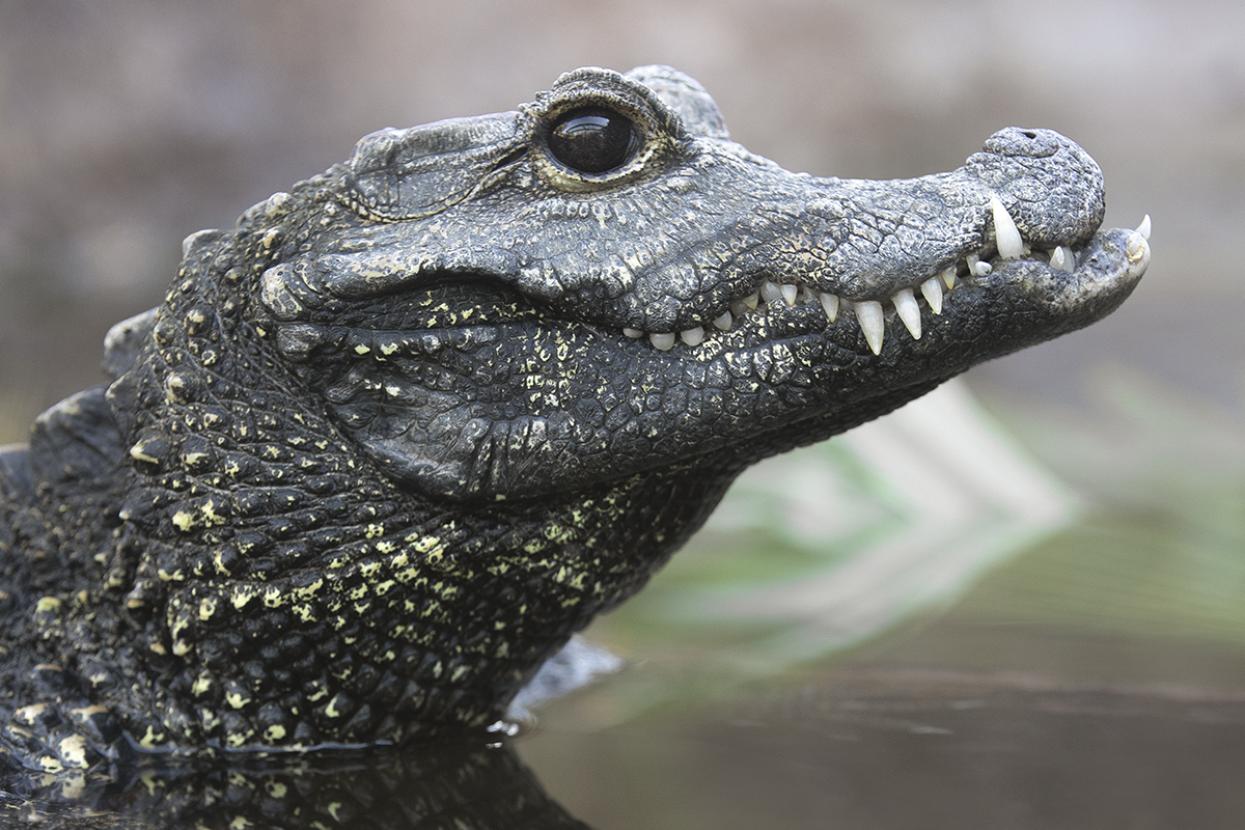
Crocodiles have exposed teeth so the enamel can stay hydrated and strong while in their aquatic habitats.
One After the Next
While some animals’ teeth never stop growing, others just replace their teeth over and over.
Some shark species have a dozen or more rows waiting in reserve, so when a tooth falls out, the one behind it moves up, like a conveyor belt. This system guarantees sharks always have the hardware they need to catch and consume their food, ensuring they can fulfill their critical role in maintaining balance within ocean wildlife populations.
While alligator and crocodile teeth only come in one row, they can still be replaced. When a tooth falls out or breaks, a new one emerges through the hollow root, allowing these reptiles to cycle through several thousand teeth in a lifetime and maintain their hunting effectiveness.
Elephant molars are just as notable as their tusks. Each one is the size of a brick, with a diamond pattern that helps grind the grasses, bark, and roots they feed on. Over time these teeth wear down and fall out, and new ones slide into place. Elephants go through six sets of teeth in their lifetime, and remarkably all those sets are present in the skull at birth.
Show the alligators and crocodiles your own toothy smile when you visit the Zoo’s Reptile Walk.
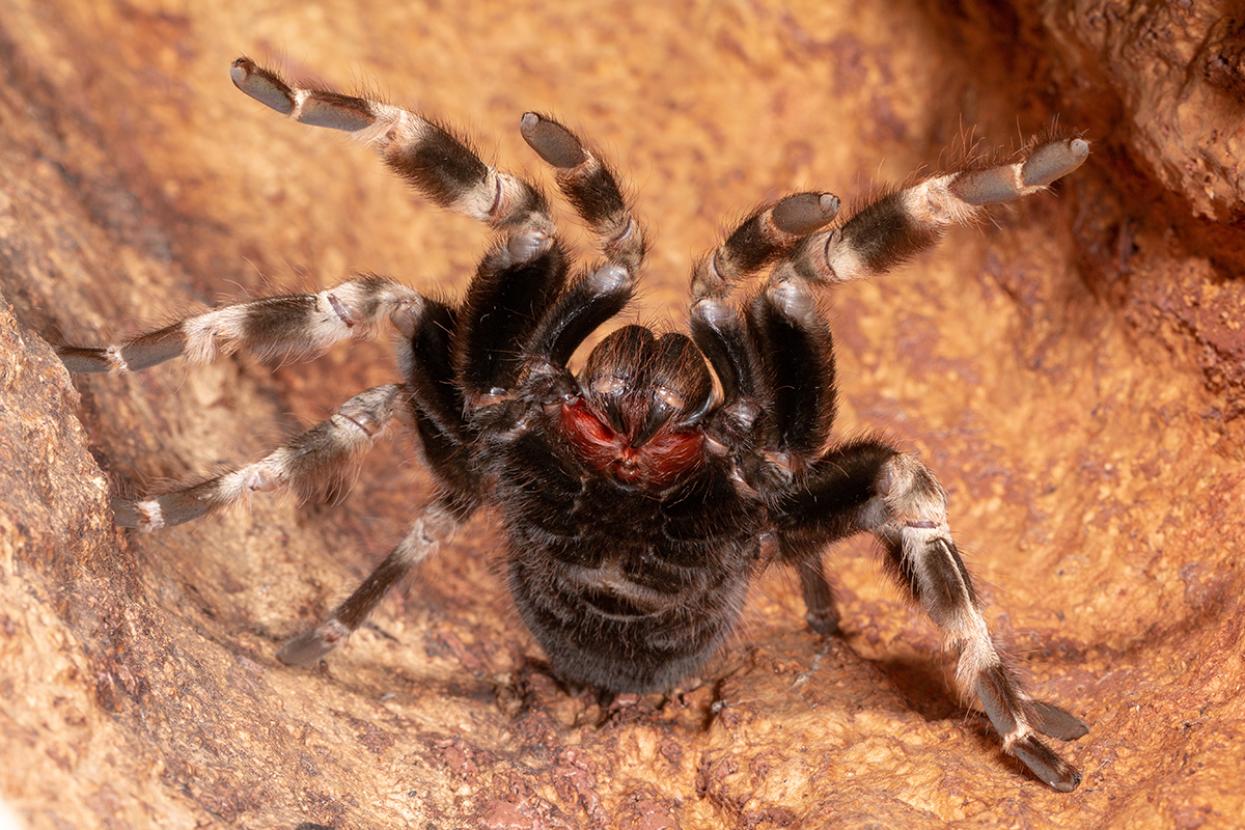
Some species of tarantulas give warning before they bite, lifting their legs and baring their fangs to scare off predators.
The wide array of animal teeth is a testament to nature's ingenuity, with each unique set perfectly adapted to help species thrive. It’s why dentistry is an integral part of the comprehensive healthcare we provide at the Zoo and Safari Park as well as through our eight global Conservation Hubs. By supporting San Diego Zoo Wildlife Alliance, you’re helping keep wildlife healthy so they can chomp, chew, and chatter their way toward a brighter future.
Photo credits: vampire bat photo: Dervical/iStock/Getty Images Plus; walrus photo: KenCanning/E+/Getty Images; tarantula photo: Moonstone Images/iStock/Getty Images Plus.