


The savanna landscapes of Northern Kenya are remote and home to a rich diversity of wildlife. But wherever there are animals there is a need for veterinary care, and the remoteness of these landscapes also means that it’s a far distance to the necessary infrastructure for veterinary diagnostics.
Veterinarians of the One Health mobile veterinary units working in the ranges of Northern Kenya identified the need for a diagnostic laboratory many years ago. These veterinarians are out in the field responding to critical health concerns, such as injuries, entanglements, and disease outbreaks in wildlife and livestock. In most of these instances, determining ailments requires obtaining and analyzing biological samples like blood, feces, biopsy tissues, or even ticks loaded with blood. But once these samples are obtained, they need somewhere to go for analysis.
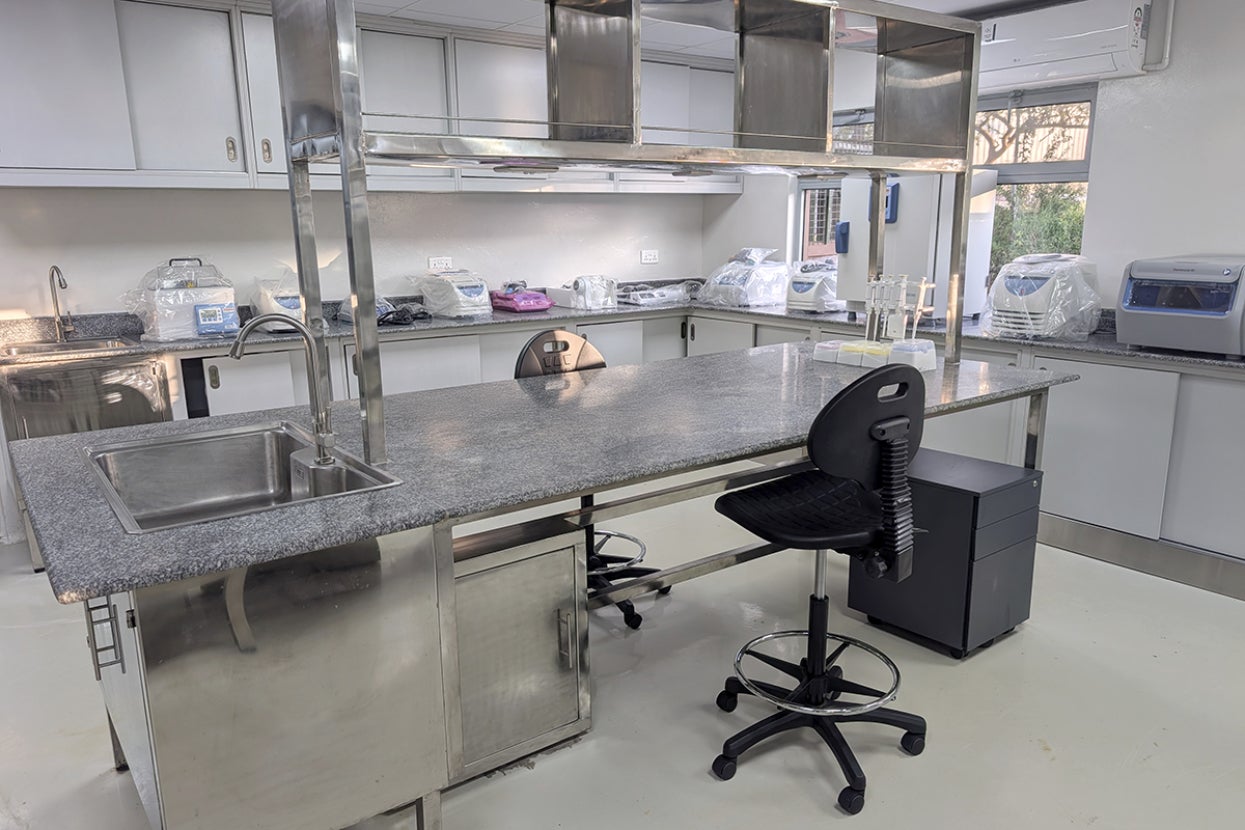
The LiNK is fully equipped and ready to receive, test, and store biological samples.
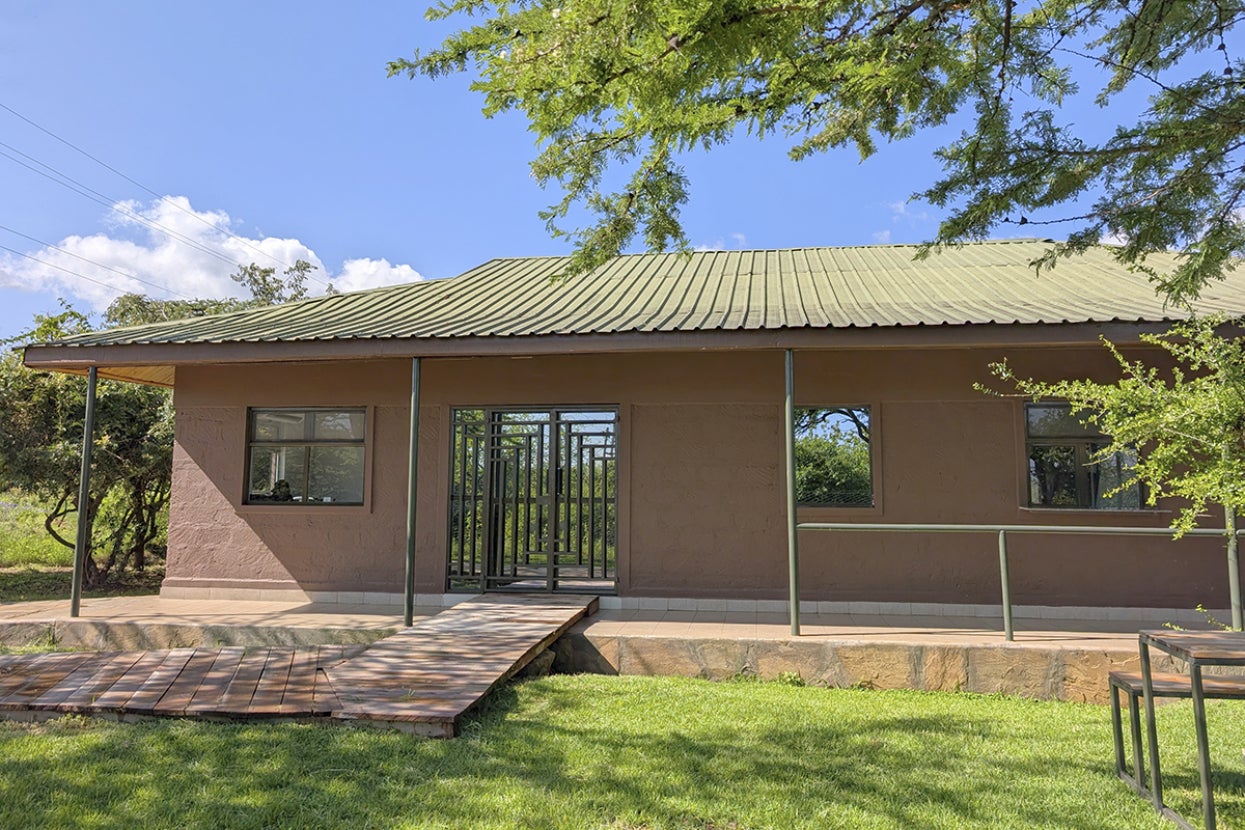
To meet this need, we formed a partnership to create the Laboratory in Northern Kenya (LiNK). The LiNK is a diagnostic laboratory at the community-based Lewa Wildlife Conservancy (Meru, Kenya). Placement of the lab at Lewa makes it an accessible resource to quickly receive, test, and store biological samples from farther reaches in Northern Kenya—samples that might otherwise never make it to any lab. The lab is designed to be a resource for partnerships in wildlife health interventions and investigations, and other veterinary laboratory activities. These efforts will improve veterinary medicine in wildlife conservation.
A team representing the institutions that partnered to form the LiNK—San Diego Zoo Wildlife Alliance, Kenya Wildlife Service, the Wildlife Research & Training Institute, Lewa Wildlife Conservancy, Northern Rangelands Trust, the Rare Species Conservatory Foundation, and San Diego Zoo Wildlife Alliance-Kenya (our Kenya-based office and team)—has overseen the initiation and establishment of the lab. The construction of the building started in January 2020 but almost immediately experienced some inevitable delays due to the COVID pandemic. To make decisions about the building’s infrastructure and equipment, representatives from all six founding partners, plus two laboratory professionals from Nairobi, collaborated on the LiNK Advisory Technical Team to advise and oversee the construction. We employed Kenyan medical lab scientists to guide the team through all the Kenyan certifications, laws and safety regulations that are very different than in the United States.
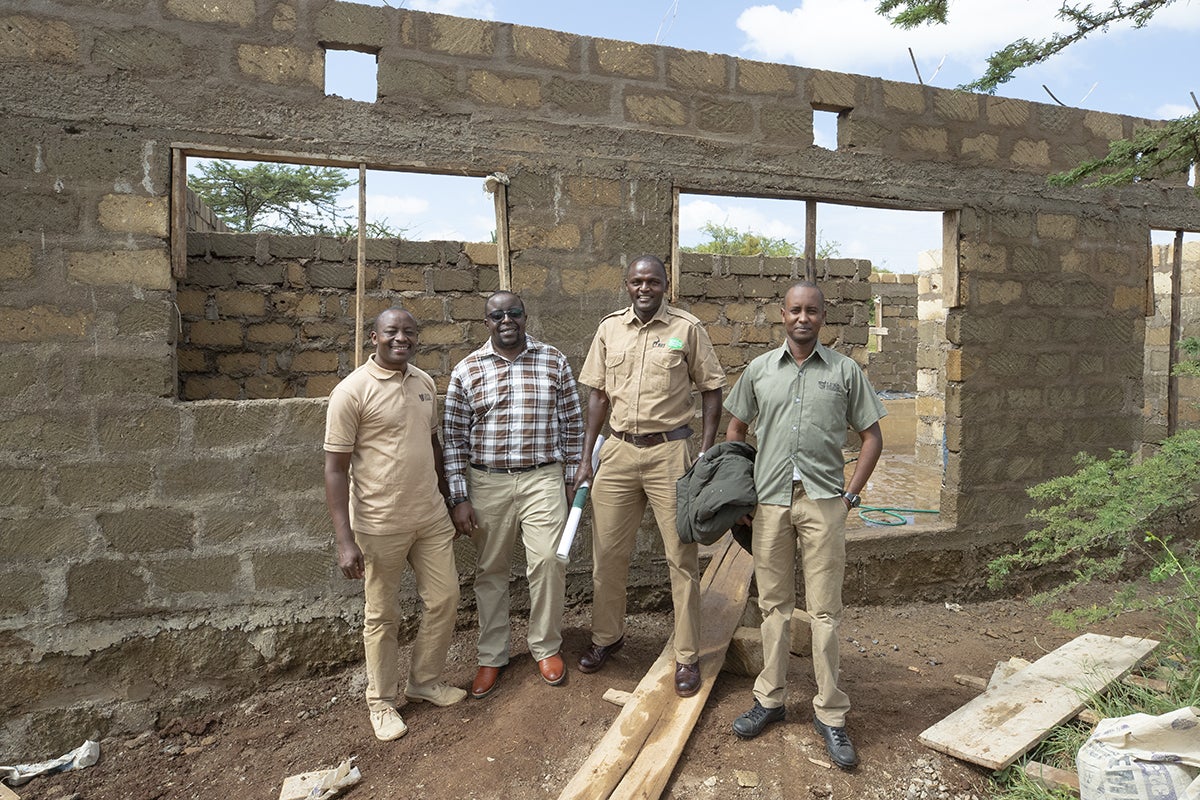
Under the direction of Kenyan veterinarians and engineers (pictured at top), LiNK was designed and constructed to serve as a resource for partnerships in wildlife health interventions and investigations, and other veterinary laboratory activities.
With the building structure completed in August 2025, a 40-foot cargo container full of ultralow freezers, refrigerators, biosafety cabinets (to use when working with pathogens), centrifuges, and more diagnostic lab equipment arrived at the LiNK. We kept the emptied cargo container and are repurposing it as additional office and work space next to the lab.
The team at the LiNK will be responsible for receiving, processing, analyzing, and storing samples. The laboratory manager, a Kenyan scientist, will work with a Kenyan-licensed veterinarian to ensure the lab meets the requirements of a veterinary diagnostic lab certified by the Kenya Veterinary Board. With the team and equipment in place, the lab officially opened in June 2026.
The Laboratory in Northern Kenya brings the lab to the landscape. It allows our team and partners to quickly diagnose diseases so that veterinarians can rapidly deploy the right treatments. It’s also a safe haven to store unique and clinically valuable biological samples that could inform wildlife healthcare in the future. The lab is a catalyst for an environment where Kenyan wildlife and the communities and livestock that coexist with them can thrive.
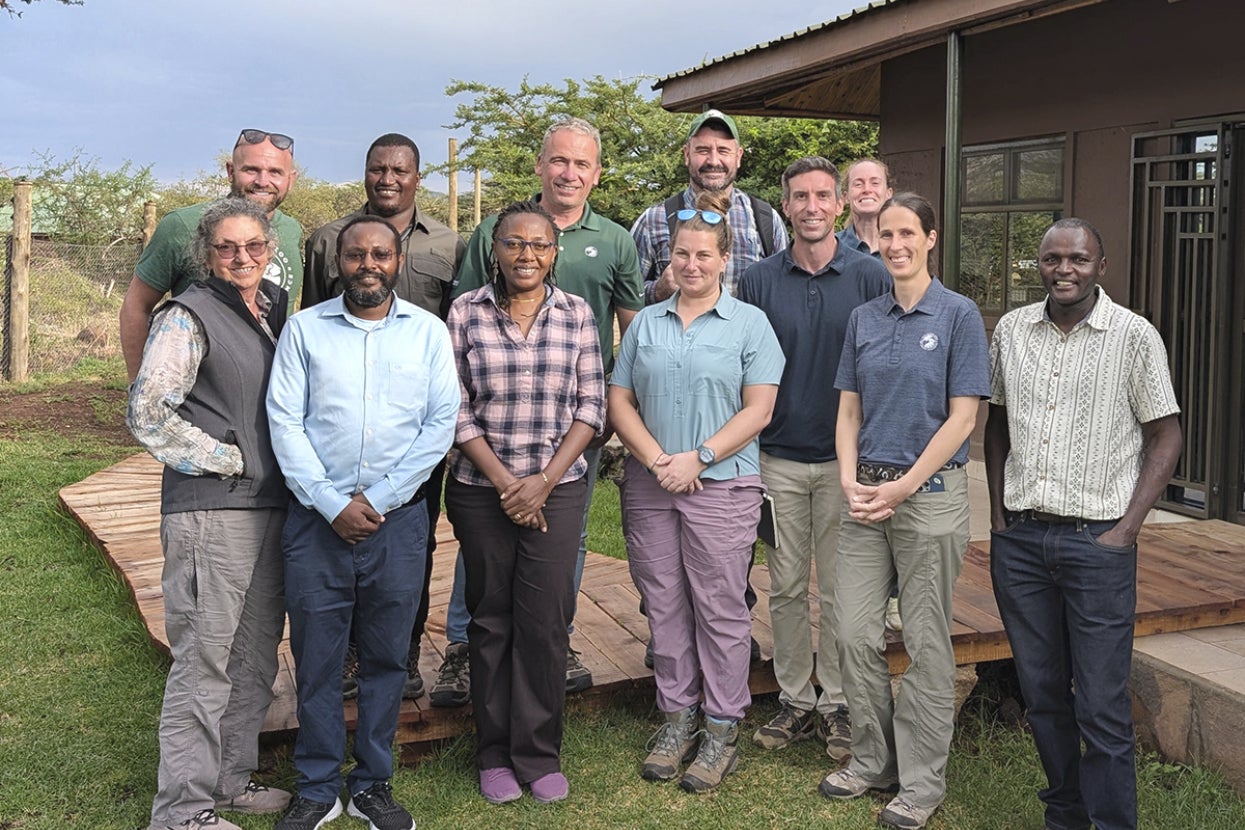
Kenyan and San Diego wildlife health professionals gather together to discuss the present and future operation of LiNK.