



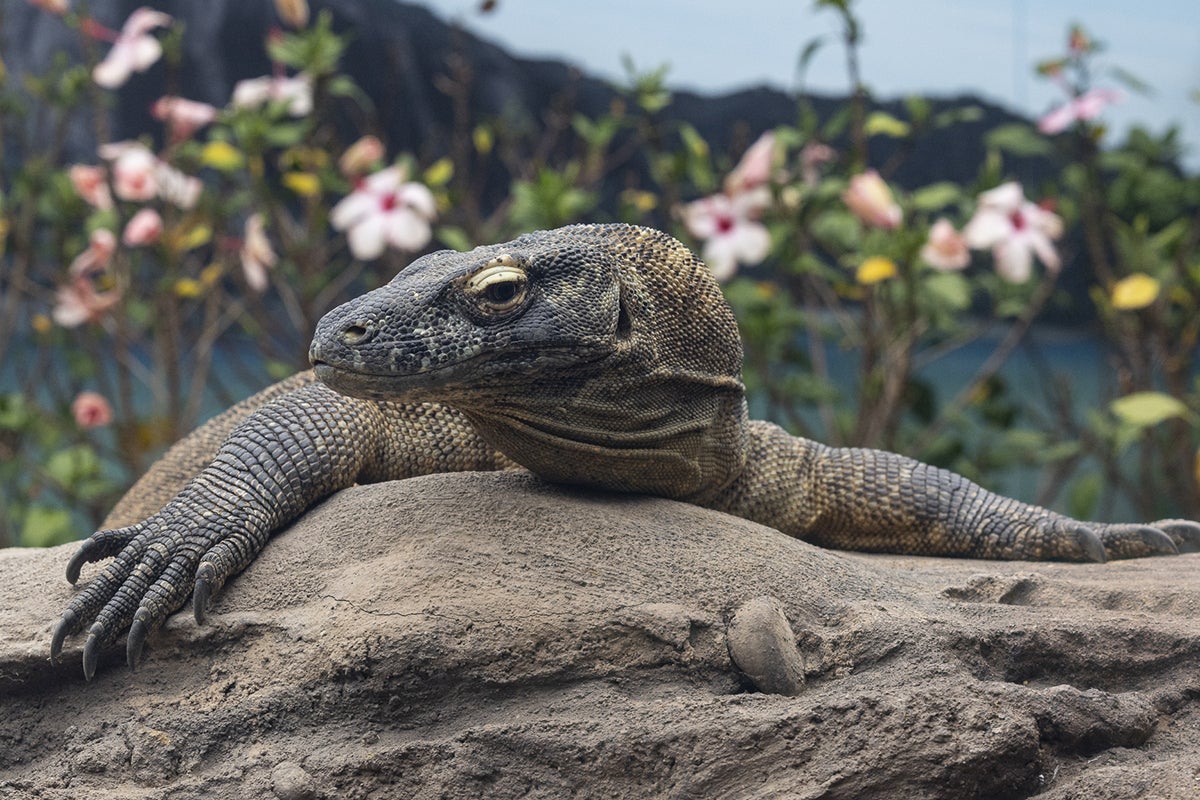
With their impressive size, quick bursts of speed, dagger-sharp claws, and curved, serrated teeth, it’s no mystery why Komodo dragons are named after the fire-breathing fantasy favorite, but the world’s largest living lizards dazzled the imagination long before the modern novel or television epic. Whispered rumors of giant lizards on faraway islands turned from fiction to fact as fossils became known to science in the mid-1800s, with the Komodo dragon being formally documented as a new species in 1910.
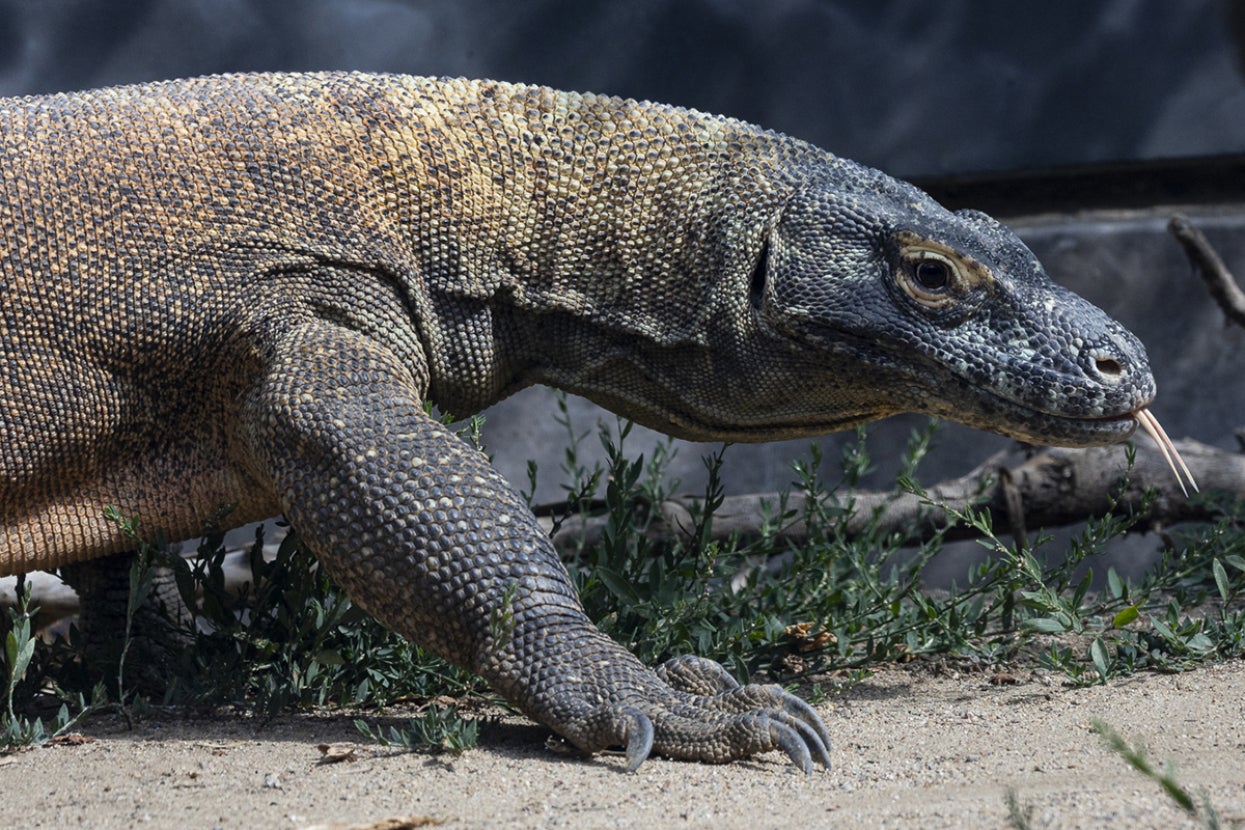
Dagger-sharp claws and a long, forked tongue are just two of the unique traits that make Komodos resemble fictional dragons.
But within 100 years of its identification, the Komodo dragon was in trouble. While fossil evidence shows ancient Komodos across Indonesia and even in Australia, it is estimated that today’s population is confined to less than 350 square miles (900 sq km) across six islands clustered together in Indonesia. And from 1981–2021, their numbers dropped from 5,000 to 3,500—a 30% decline in just 40 years, triggering a reclassification of the species from vulnerable to endangered by the International Union for Conservation of Nature.
The numbers were alarming, and the causes were unclear. Since the 1990s, San Diego Zoo Wildlife Alliance has funded the travel of conservation and population sustainability experts to Indonesia to support local efforts to protect Komodo dragons. What we and our partners have uncovered there—combined with what we’ve learned from caring for Komodos at the San Diego Zoo—resulted in groundbreaking discoveries that helped stabilize Komodo numbers and establish strategies for protecting their environment so they can continue capturing imaginations for generations to come.

Komodo dragons are found on only six islands in Indonesia, including Padar. | Photo credit: joakimbkk/E+/Getty Images
Here (and Only Here) Be Dragons
The first long-term studies of Komodo dragons didn’t start until 1969. Despite the relatively small population size and limited native range of Komodo dragons, the separation of the subpopulations between isolated, rugged islands made it difficult to consistently check and report on their well-being without extensive resources and knowledge. Effectively surveying these reptiles required the dedication of researchers and conservationists from organizations around the world, including San Diego Zoo Wildlife Alliance.
Native Komodo dragons are found only on the Lesser Sunda Islands in Indonesia. As of 2021, it is estimated that about 3,500 adult and juvenile Komodo dragons are currently living there, separated into eight subpopulations across just six islands: Flores, Gili Motang, Komodo, Nusa Kode, Padar, and Rinca. While three of the subpopulations live on Flores, almost 70% of the total population resides between Komodo and Rinca. Due to habitat loss and fragmentation, there is very little breeding between subpopulations, which reduces the genetic diversity necessary to sustain healthy global populations. It is also predicted that between 30–70% of Komodos’ native range could be lost by 2040 due to rising sea levels.
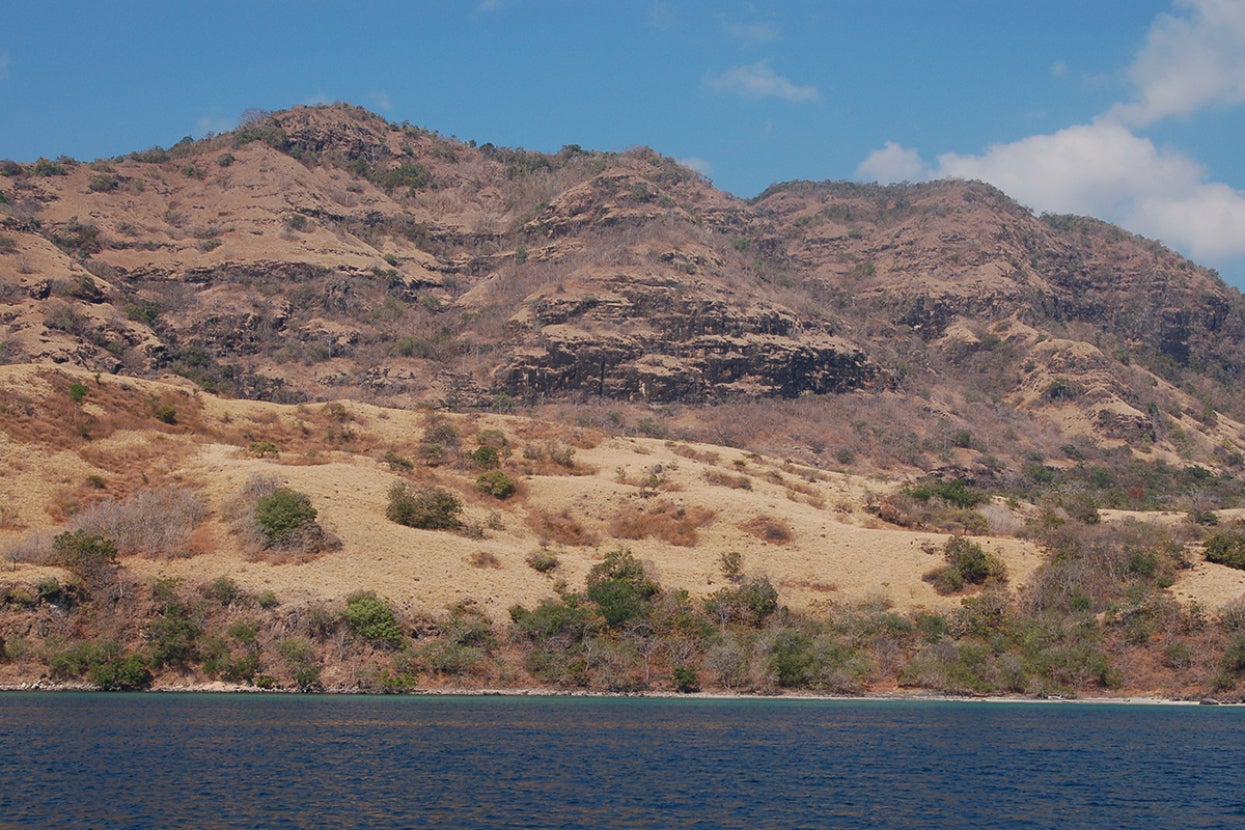
The native island habitats of Komodo dragons are remote, rugged, and difficult to access.
With the exception of Flores, the islands supporting Komodo dragons are all within Komodo National Park. Komodo National Park was established in 1980 to protect Komodos and about 850 square miles (2,200 sq km) of their ever-shrinking island range, as well as the surrounding marine ecosystem. The park was added to the UNESCO World Heritage List in 1991. While there is currently no concern for habitat loss within Komodo National Park boundaries, Komodos are still threatened by human activities, including illegal wildlife trafficking and relying on the same prey as local people and introduced feral dogs. And the Komodos on Flores—outside of the park’s protective boundaries—are increasingly impacted by habitat loss and challenges coexisting with people; it is estimated that no more than 10% of the Flores subpopulation lives within a protected area.
In the early 2000s, a nonprofit conservation partnership called the Komodo Survival Program was formed under the government of Indonesia’s Ministry of Environment and Forestry to increase field work, population monitoring, and community-based conservation efforts for Komodo dragons. The Komodo Survival Program was formed through a collaboration between Indonesian and international scientists, including Deni Purwandana and Tim Jessop, both formerly of San Diego Zoo Wildlife Alliance’s Beckman Center for Conservation Research. Studies completed in cooperation with the Komodo Survival Program directly informed Komodo National Park management decisions and International Union for Conservation of Nature designation assessments, including the population and habitat maps that contributed to Komodos’ reclassification as an endangered species. Against all odds, the Komodo dragon is now considered to be the best-studied reptile in the world.
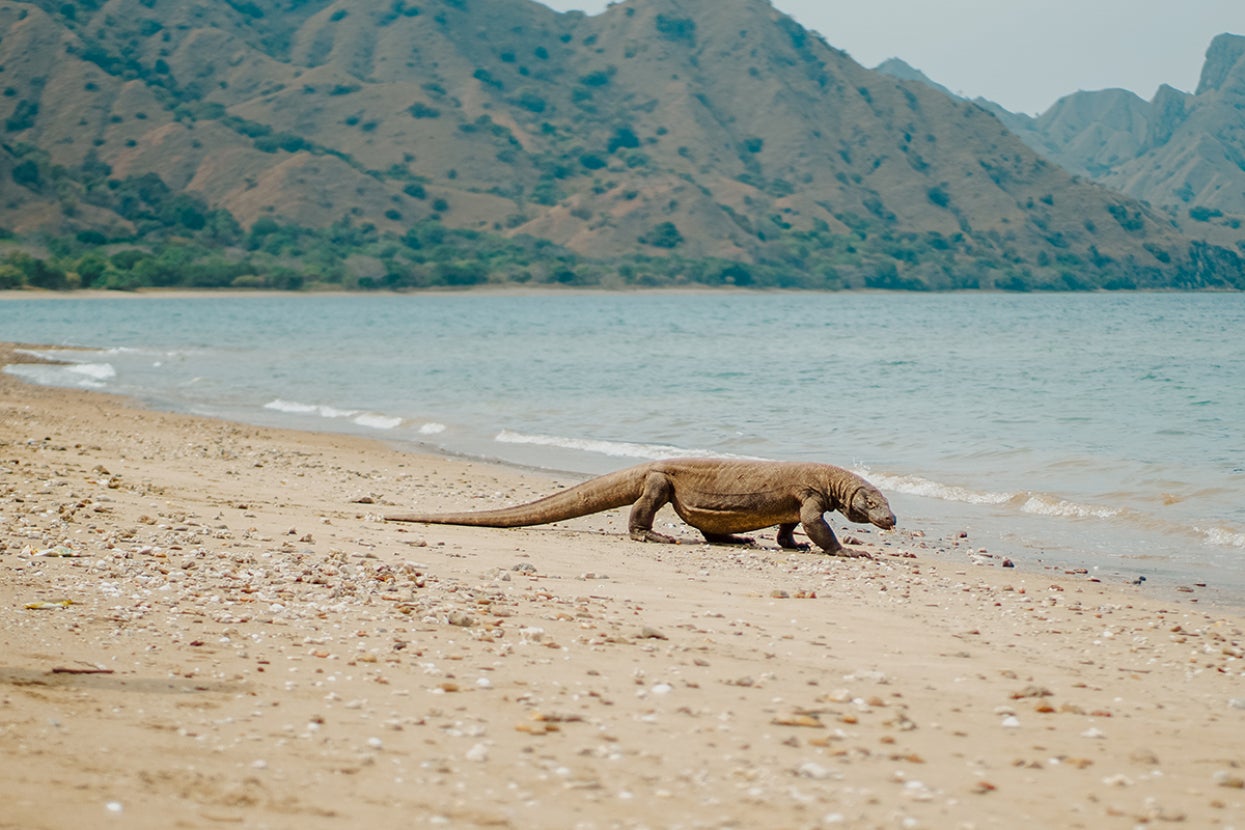
Studies completed with cooperation between San Diego Zoo Wildlife Alliance, the Komodo Survival Partnership, and other international partners support conservation initiatives at Komodo National Park. | Photo credit: ibnu khoirul fajar/iStock/Getty Images Plus
Fellowships and Field Work
The only way to get accurate data about habitat loss and population trends is through ongoing analysis using consistent methods. The collaboration between San Diego Zoo Wildlife Alliance, Komodo National Park, the Komodo Survival Program, and other international partners was essential in completing the work required to ensure the species did not face further losses.
From 2003–2007, San Diego Zoo Wildlife Alliance hosted a postdoctoral fellowship program between our Institute for Conservation Research (formerly the Center for Reproduction of Endangered Species) at the Beckman Center for Conservation Research and the San Diego Zoo’s herpetology department. The postdoctoral fellow was Tim Jessop. As part of this program, Tim and team members from the Zoo traveled to Indonesia to participate in field studies at Komodo National Park. Tim went on to contribute to several groundbreaking Komodo publications, as well as help form the Komodo Survival Program alongside Deni Purwandana.
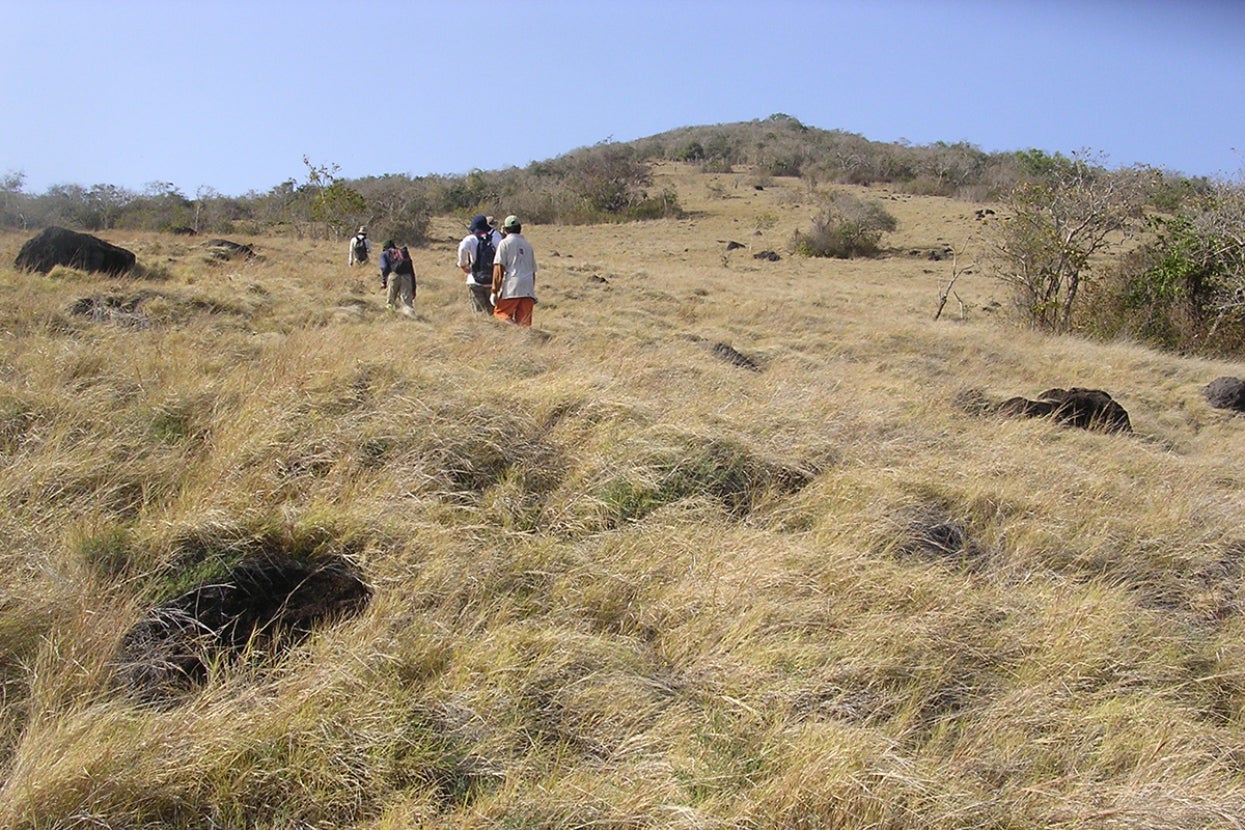
As part of San Diego Zoo Wildlife Alliance’s postdoctoral fellowship program, team members traveled to Indonesia and contributed to field studies at Komodo National Park.
Dragon Demographics
One of the most important reports to come out of this fellowship program analyzed the demographic distribution of Komodo dragons across four of the islands, providing insights needed to make recommendations for future management of Komodos across the national park. This long-term, large-scale field study was completed between 2003–2012, with findings published in Biological Conservation in 2014. Tim and Deni were joined by other researchers from the Komodo Survival Program, Komodo National Park, and international universities.
The group counted Komodo dragons across four islands in Komodo National Park to determine key information, such as population growth and survival rates. They found significant differences between the two larger islands and the two smaller islands, with the larger islands having steady population growth and a higher survival rate. This was the first and most comprehensive attempt to determine the demographics of the different Komodo dragon subpopulations, and resulted in a recommendation that Komodo National Park no longer consider the entire population as one entity when making management decisions; instead, they should factor in island-specific demographics. Major funding for this project came from San Diego Zoo Wildlife Alliance’s postdoctoral fellowship program, and the research was conducted in partnership with the Indonesian Ministry of Environment and Forestry.
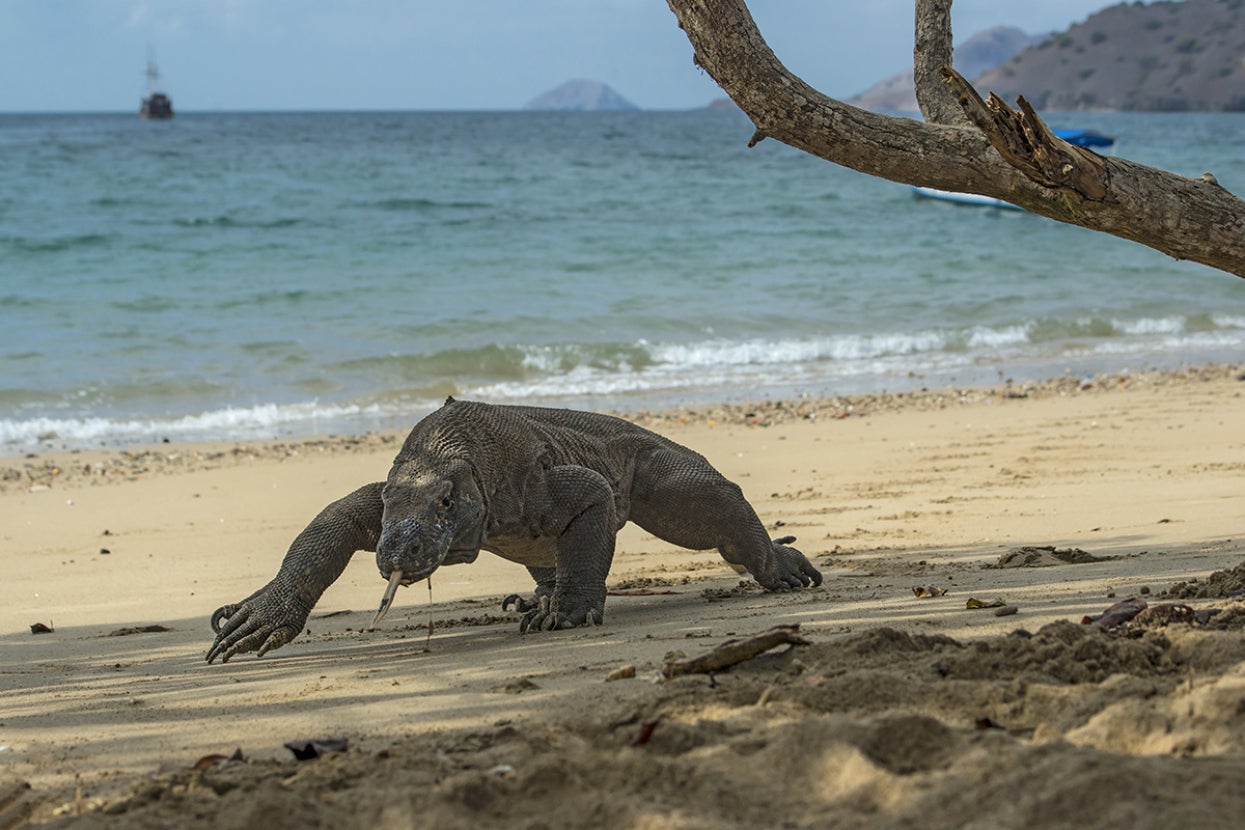
The demographic distribution of Komodo dragons varies between different islands in Komodo National Park. | Photo credit: guenterguni/E+/Getty Images
Preying for Poop
In 2004, six scientists, including three associated with San Diego Zoo Wildlife Alliance’s Beckman Center for Conservation Research (Tim, Deni, and Jeri Imansyah), found that the abundance of Timor (rusa) deer, wild boar, and water buffalo—three species that make up the majority of a Komodo dragon’s diet—varied greatly between the islands in Komodo National Park. They did this by counting feces from each of the three species found in 11 sites across the five islands in Komodo National Park; deer were found at all 11 sites, while boar were found at eight and water buffalo at three. Boar and water buffalo were found only on the two largest islands.
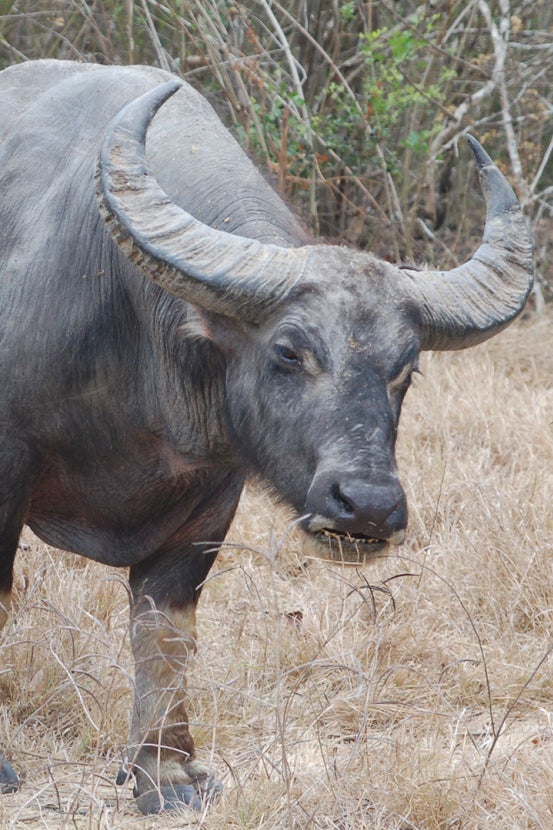
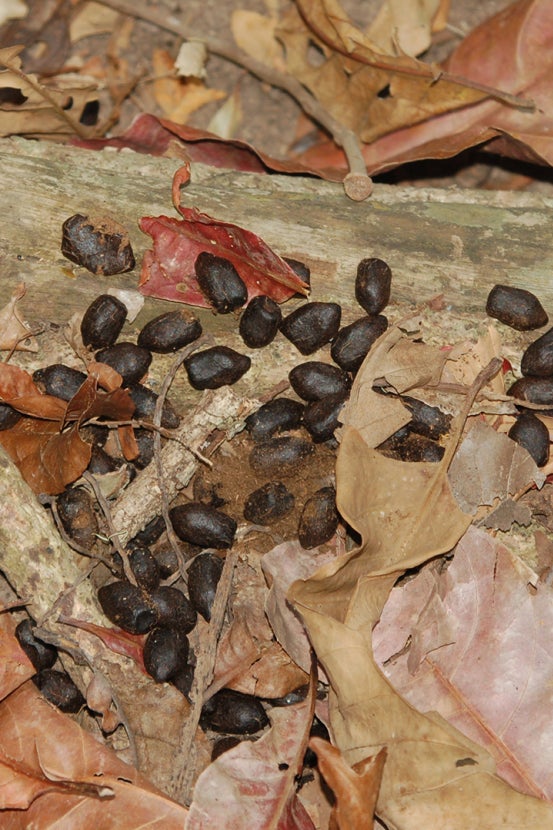
Researchers determined the availability of prey like water buffalo (left) varied greatly between islands at Komodo National Park by counting feces (right, from deer).
Being able to provide evidence that prey availability varies greatly between different subpopulations was a fundamental step in determining the management plan for Komodos within Komodo National Park. Loss of prey is considered a major threat to Komodo numbers, and it is often the result of human activity, such as illegal hunting, increasing fires, and unsustainable land clearing. Komodo dragons were temporarily declared locally extinct on Padar, the third-largest island in Komodo National Park, in the 1980s, with their population loss believed to be caused by declines in deer. It took almost 30 years for the deer population to recover enough for Komodos to start living on Padar again.
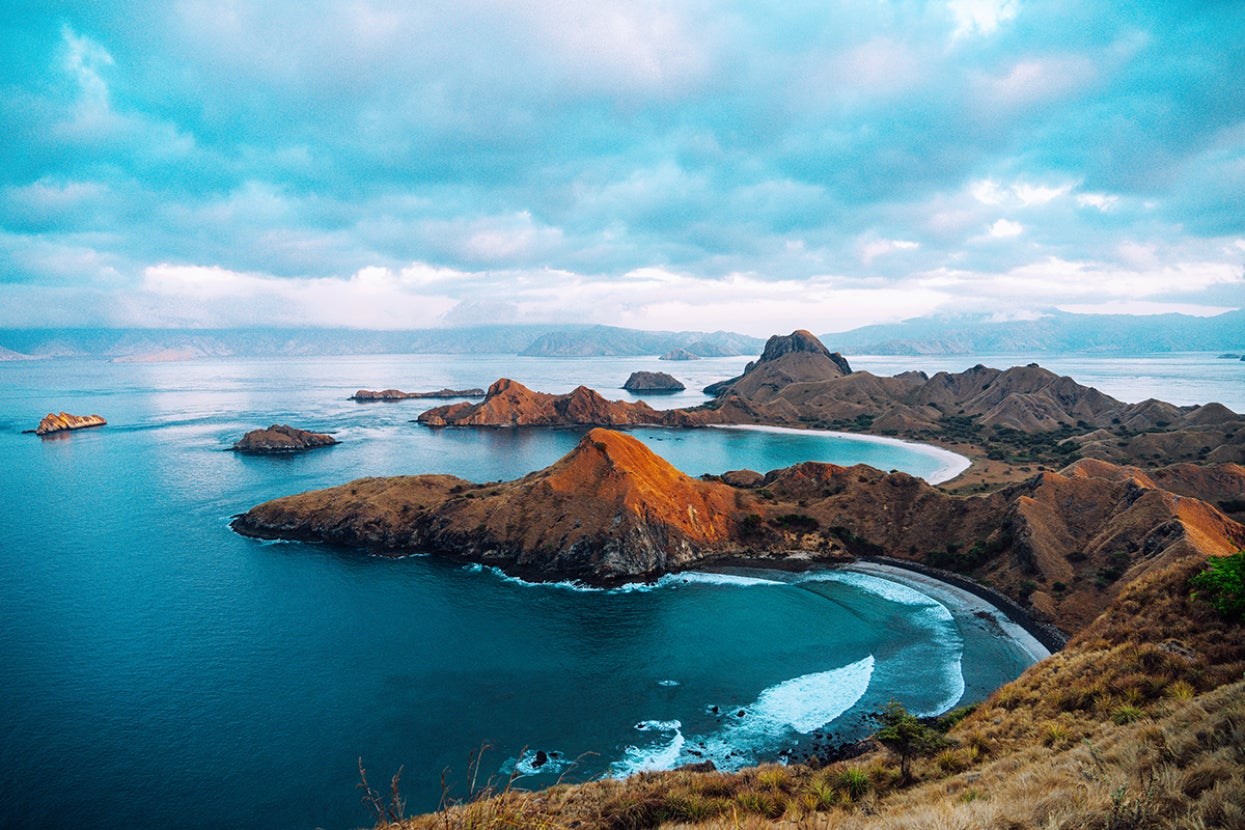
Komodo dragons were temporarily declared locally extinct on Padar Island in the 1980s. | Photo credit: Nikada/E+/Getty Images
Critically, the sampling methods used in this study were repeatable even after it ended. The techniques could be executed using financial and technological assets already available at Komodo National Park, and park team members were taught how to correctly complete the sampling by Alliance scientists, ensuring they could continue observing the prey and provide data long-term. This investment in local researchers and Komodo National Park team members improves the chances of early detection of problems like poaching, illegal wildlife trafficking, or habitat loss. Sustained monitoring of this kind also provides crucial information for planning the ongoing management of Komodo dragon populations both inside and outside of Komodo National Park. In addition to team member support, San Diego Zoo Wildlife Alliance provided funding for this project through the postdoctoral fellowship, with collaboration from Balai Taman Nasional Komodo, The Nature Conservancy, and the Indonesian Ministry of Environment and Forestry.
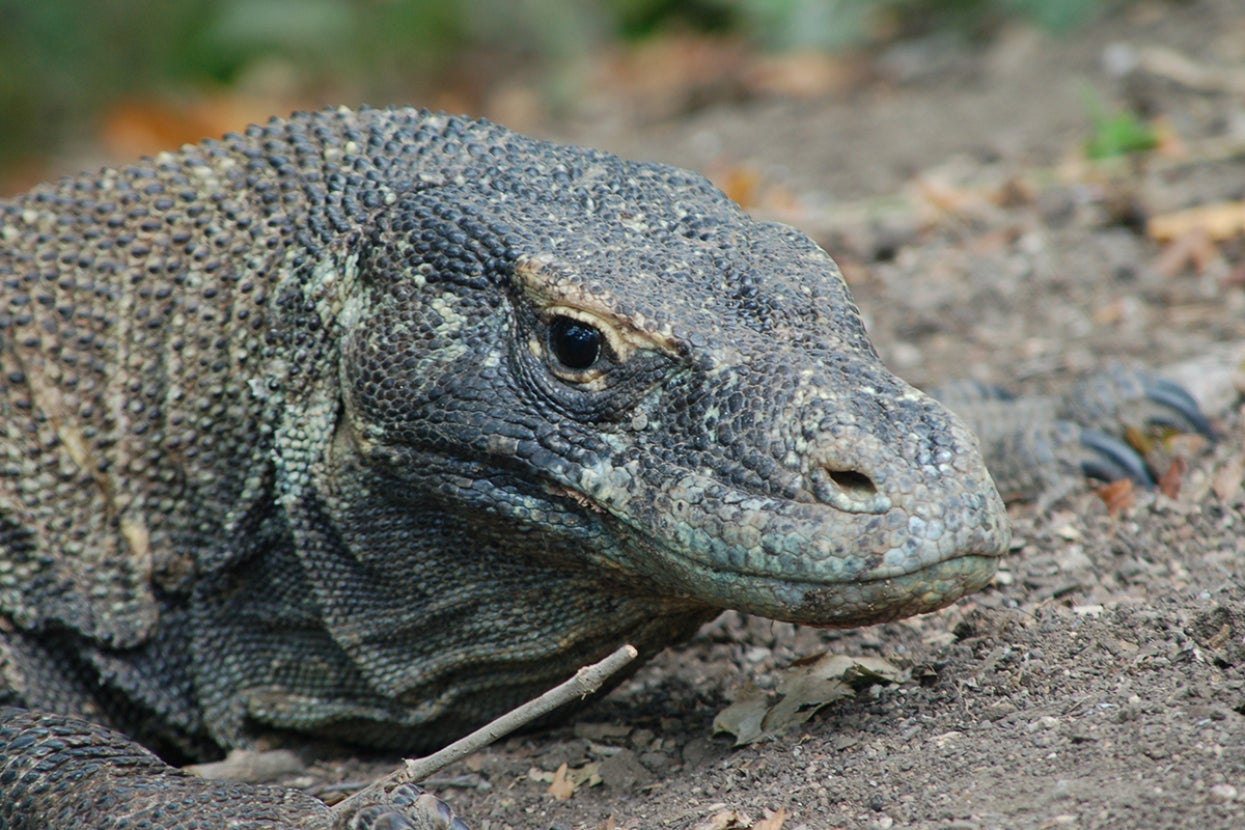
Long-term monitoring of Komodo dragon populations in native habitats is crucial for early detection of threats like poaching, illegal trafficking, or habitat loss.
Fast Food
Another key finding was published in Ichthyology & Herpetology in 2021. Six researchers (including Deni and Tim, now working for the Komodo Survival Program and the Centre for Integrative Ecology at Deakin University in Australia, respectively) determined that as Komodos get older and larger, they adjust how much they move and the size of their territory to find enough resources. Younger, smaller Komodos forage for smaller and more abundant prey, while older, larger Komodos use a “sit and wait” strategy when hunting larger prey that is spread over a larger territory. It also indicated that Komodo metabolic requirements may decrease as their body size increases.
These findings provided further data regarding the territory and prey requirements for maintaining healthy, stable native Komodo populations. This study was financed by San Diego Zoo Wildlife Alliance and the Association of Zoos and Aquariums Komodo Dragon Species Survival Plan Program in cooperation with the Komodo Survival Program, Komodo National Park, and the Indonesian Ministry of Environment and Forestry.
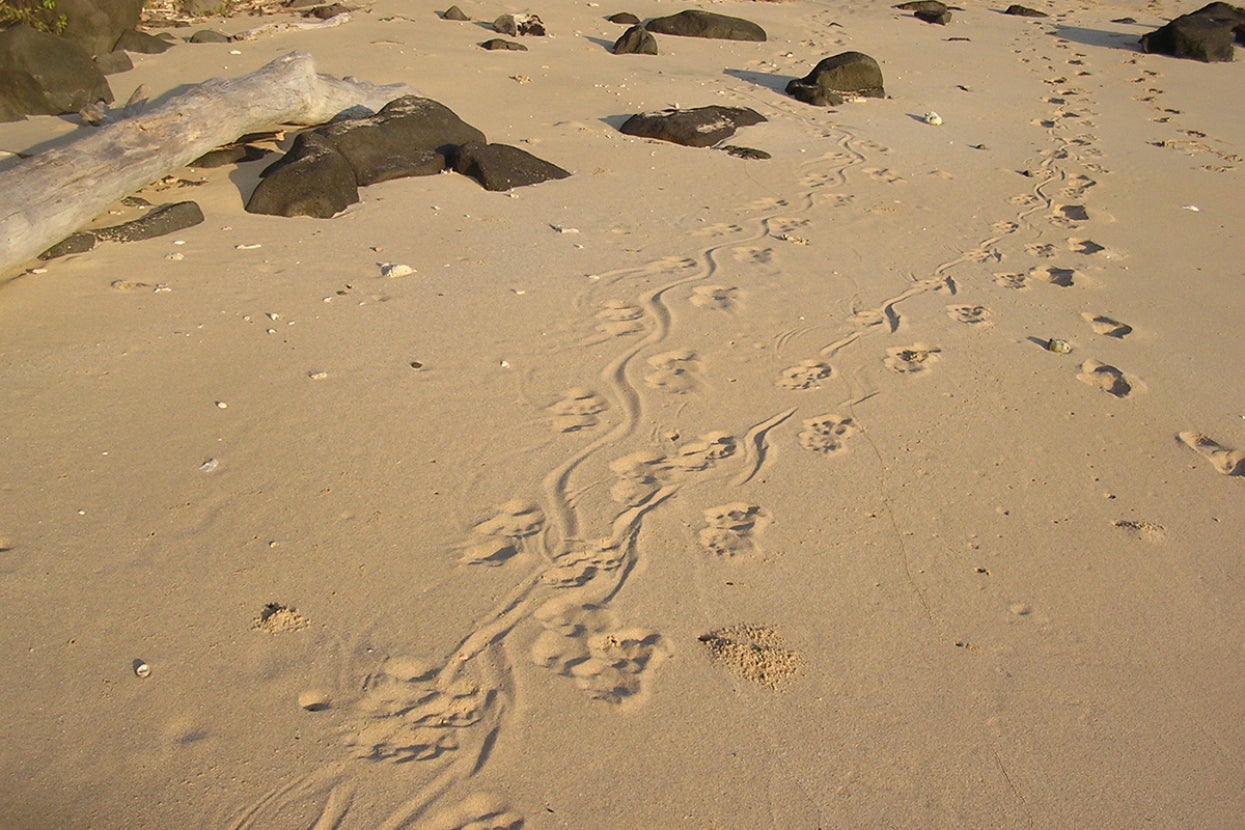
By observing tracks and other evidence, scientists determined Komodo dragon movement patterns change as they get older and larger.
For all of these studies, San Diego Zoo Wildlife Alliance had the expertise and resources to promote the initial research that would later inform the work of the Komodo Survival Program, as well as the ability to teach others how to continue the projects long-term. The involvement of local scientists is critical to the enduring success of this work; they have greater insights into the interests of nearby communities, increasing the chance of impactful community-based conservation efforts, and may go on to hold positions in academics or the government that directly influence conservation decisions. San Diego Zoo Wildlife Alliance continues to support this vital initiative by sending team members to the islands to help with field work; since the collaboration started, the Alliance has funded at least seven team members visiting Indonesia, most recently in April 2026.
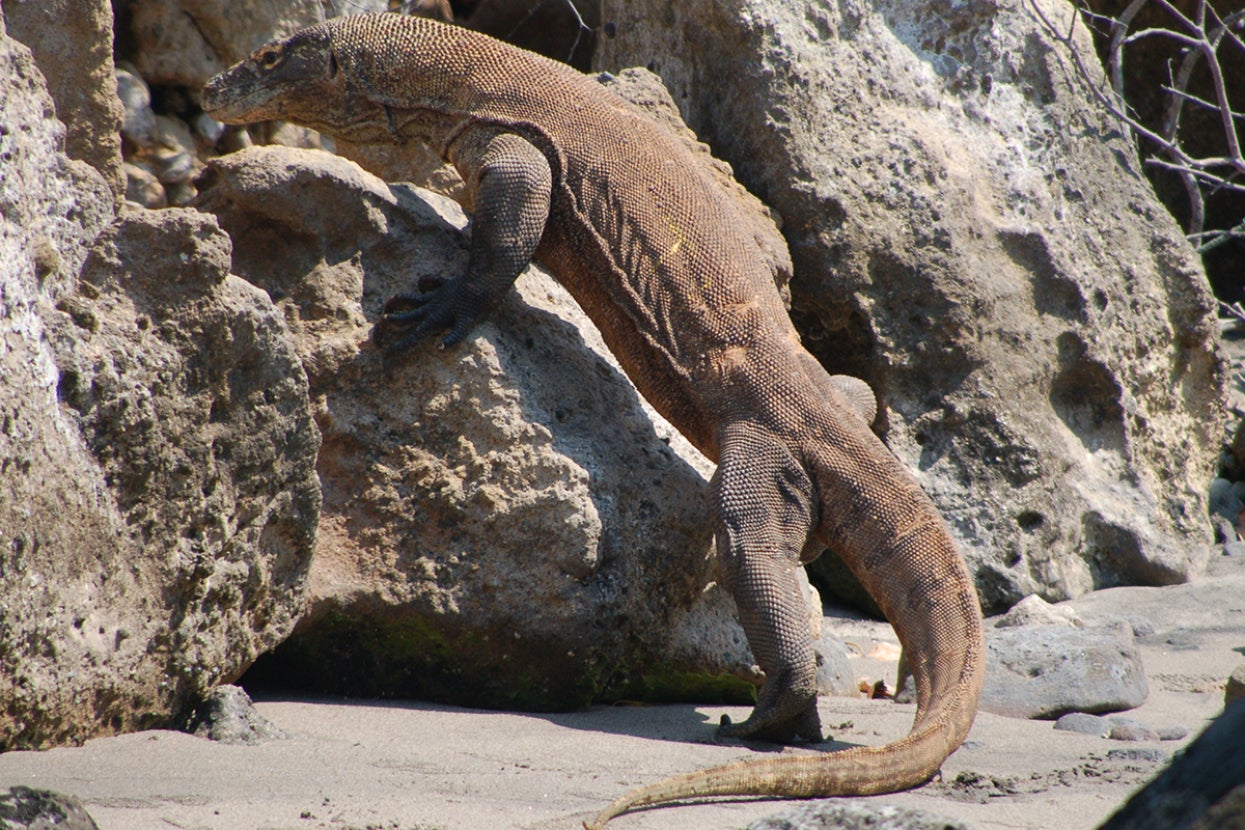
San Diego Zoo Wildlife Alliance has supported Komodo dragon research in Indonesia since the early 2000s.
Karing for Komodos
When the number of Komodos was in decline worldwide, having an assurance population in human care was essential. In 1968, the San Diego Zoo became one of the first conservation organizations in the United States to house Komodo dragons. These reptiles have been charismatic ambassadors for their species, inspiring wildlife allies to discover more about them and the unique island ecosystems of their native habitats. Being able to learn from Komodos every day, in a way that wouldn’t be possible on remote Indonesian islands, also allowed wildlife health and care experts to explore new strategies that promote healthy, sustainable populations of Komodo dragons worldwide.
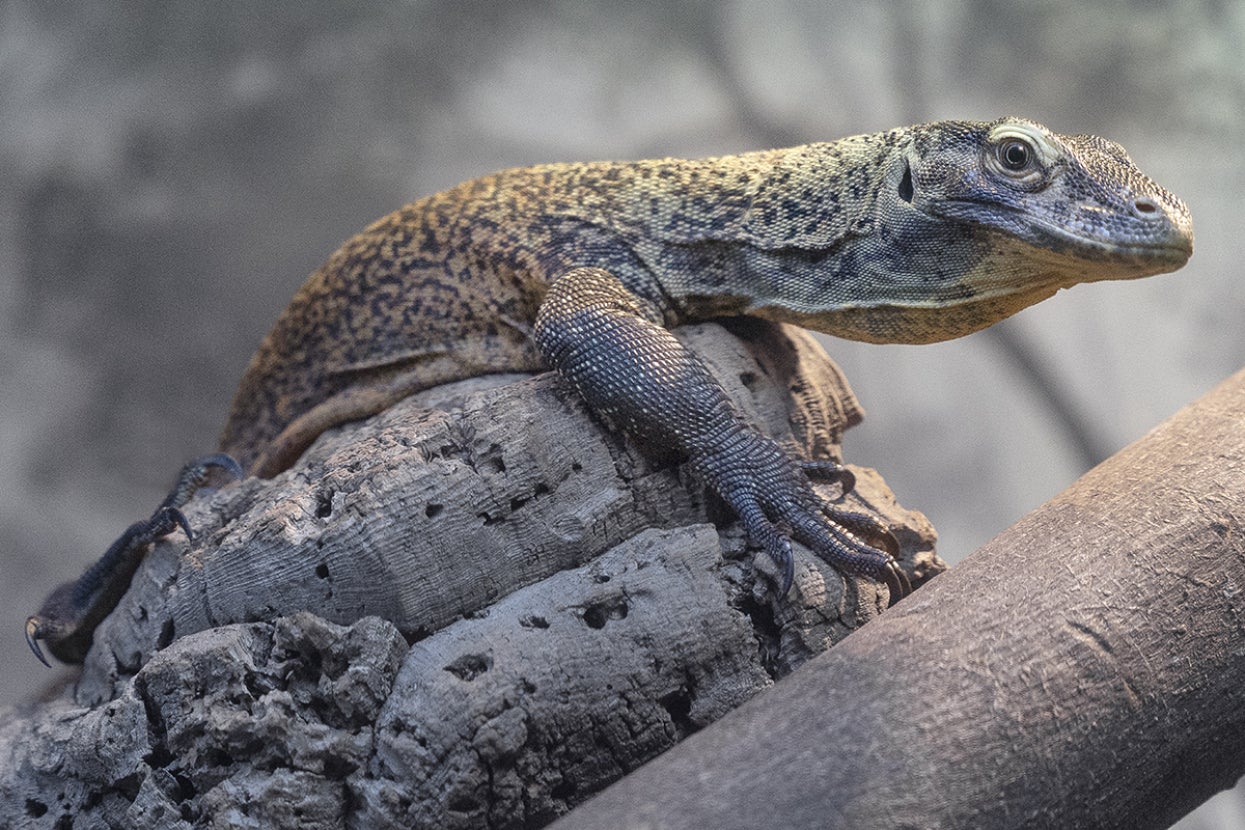
By caring for Komodo dragons of all ages, including this juvenile female named Alor, the San Diego Zoo makes discoveries that support healthy populations worldwide.
In the mid-1990s, the San Diego Zoo found an easy and safe way to determine the sex of Komodo dragons at a young age. Previously, Komodo dragons weren’t sexed until they reached reproductive maturity at about 8–10 years old. Because of this, it wasn’t uncommon for Komodo dragons to be paired for mating, only to find they were both males or females. Using minimally invasive blood samples and ultrasound exams, the Zoo was able to determine the sex of Komodo dragons once they were 2 years old—a major development for Komodo population sustainability initiatives. The same method was later proven to be accurate for monitor lizards, Gila monsters, and beaded lizards, improving reproductive outcomes for many reptiles in human care and leading the way for additional advancements. Today, a Komodo’s sex can be determined by extracting blood from eggs that are still in incubation.
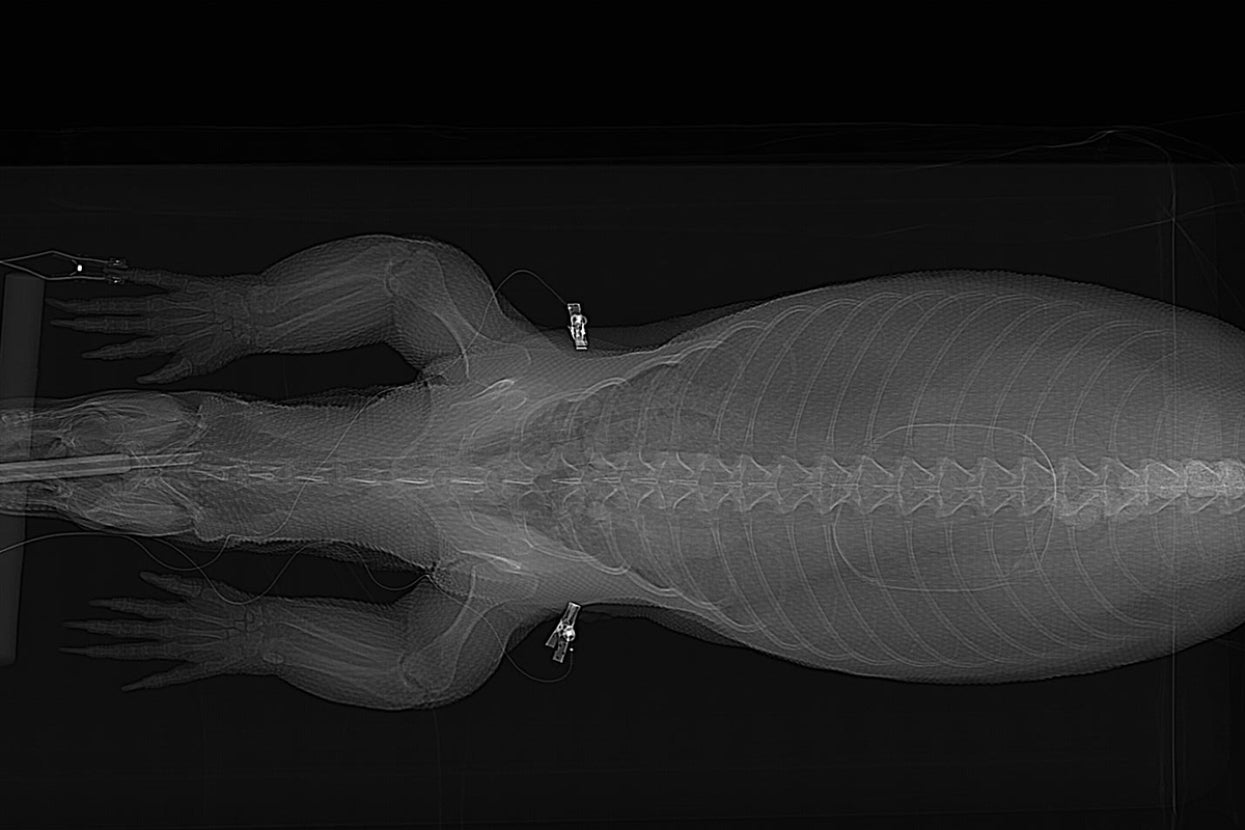
The San Diego Zoo is one of only a few zoos able to complete regular CT scans on Komodo dragons.
Komodo dragons thriving at the Zoo receive regular wellness exams, which include checking their weight. We’ve found they gain weight quickly, which can cause degenerative bone problems. The Zoo’s Jennings Veterinary Hospital also completes regular computed tomography (CT) scans on the Komodos; very few zoos are able to do this, and we openly share this information, providing insights for zoos all over the world. By utilizing this knowledge, along with what has been observed in the hunting and travel patterns of Komodos in native habitats, we can optimize the well-being of Komodos in human care and ensure there is a vibrant, genetically diverse global population.
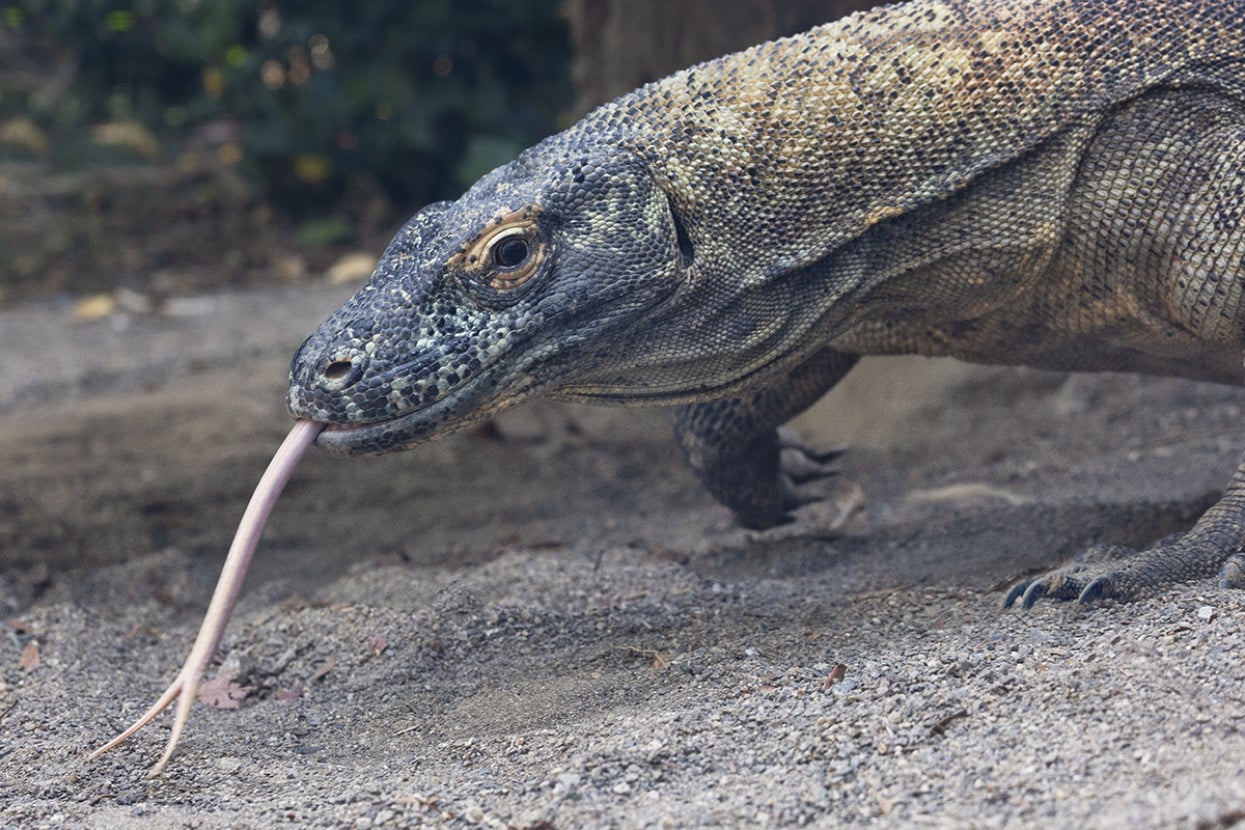
Komodo dragons thriving at the San Diego Zoo, like Berani, are part of the conservation success story for this endangered species.
Komodo dragons are a conservation success story. Over the course of many decades, wildlife advocates from around the world came together to reverse declining numbers and find new ways to support a remarkable species. Now, as they turn their expertise toward saving the ecosystems across Indonesia, there’s no telling what they might accomplish together. It’s time to write another chapter in this dragon’s fairy tale.
San Diego Zoo Wildlife Alliance works to protect Komodo dragons and their native habitats through our Asia Conservation Hub. Come experience Komodo dragons for yourself at Kenneth C. Griffin Komodo Kingdom or the Reptile House at the San Diego Zoo.