



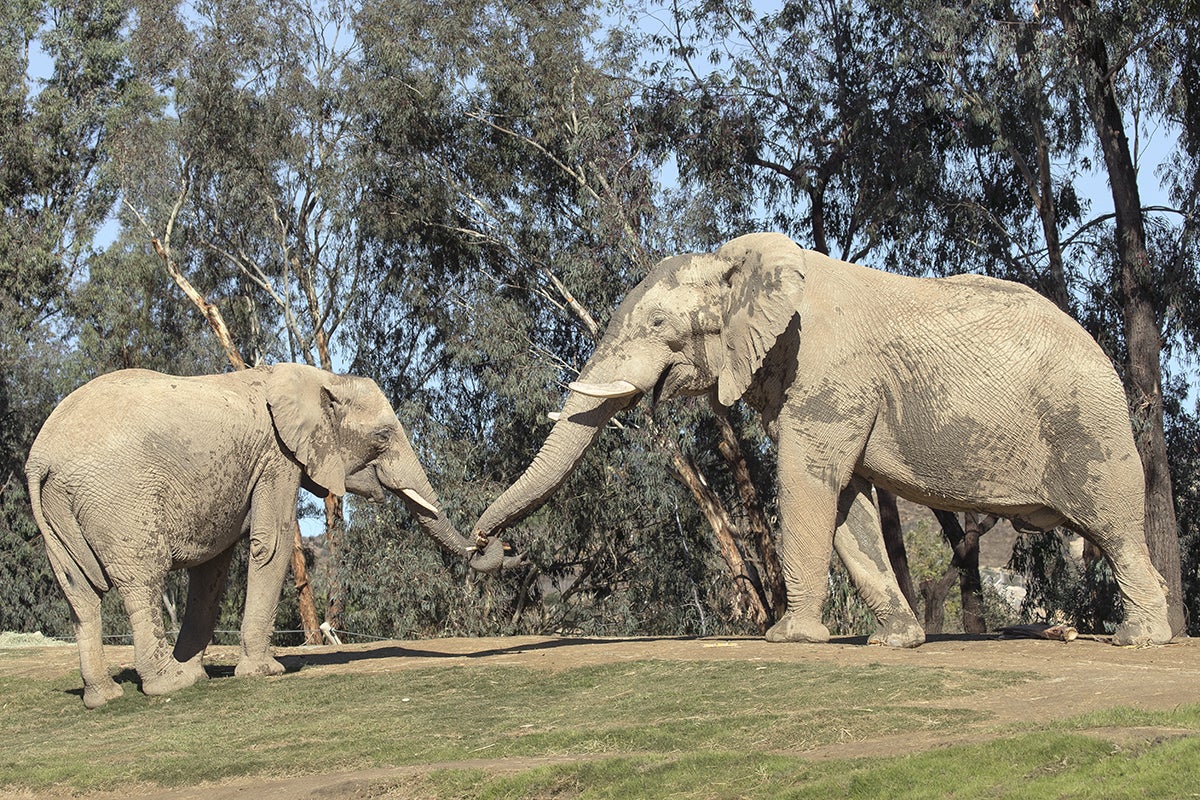

African savanna elephants are famously matriarchal, with multigenerational family groups consisting of only females, plus male calves. For a long time, it was believed adult male elephants (bulls) were solitary, since they left their family group when they reached maturity and temporarily rejoined herds just to mate. Now we know that bulls are much more social than once thought. While some bulls may choose to spend time alone, others form herds with other males, called “bachelor herds.” These bachelor herds have just as complex of social structures as matriarchal family groups and are essential in the development of young male elephants
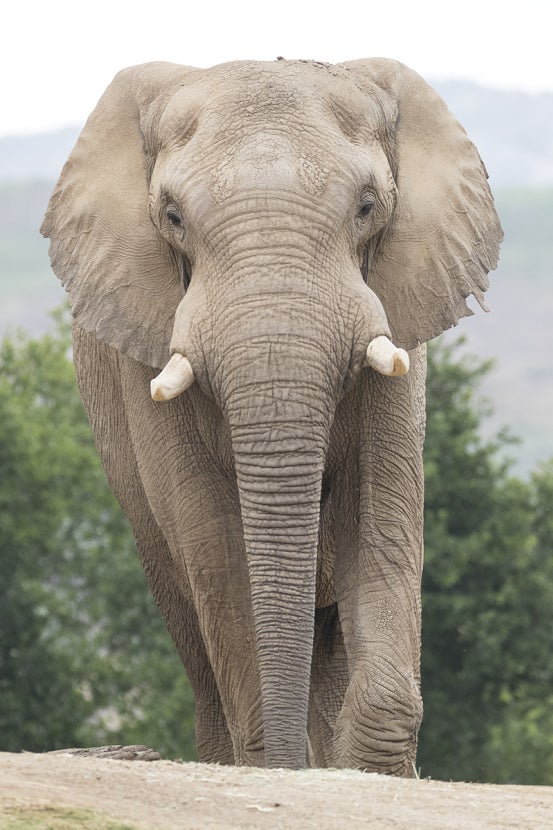
For a long time, it was believed bulls were solitary, but now we know they are very social.
The Bachelor Life
After being raised in their mother’s herd, young male elephants transition out once they start to reach maturity. This typically happens around 10–15 years old, though, as with people, it can happen earlier or later. This process often gradual, with male calves spending more and more time on the outskirts of their family groups as they age; older ones may even spend a few days away to engage with young members of other herds. If a male does not choose to leave on their own, the older females in the family group will give them clear signals that it’s time to move on permanently.
Because they are raised in a tight-knit family group, a young male’s move to life on the outside can be quite an adjustment. By moving into a bachelor herd, young males can adapt within the familiarity of a hierarchical structure while learning behaviors that are distinct to bulls.
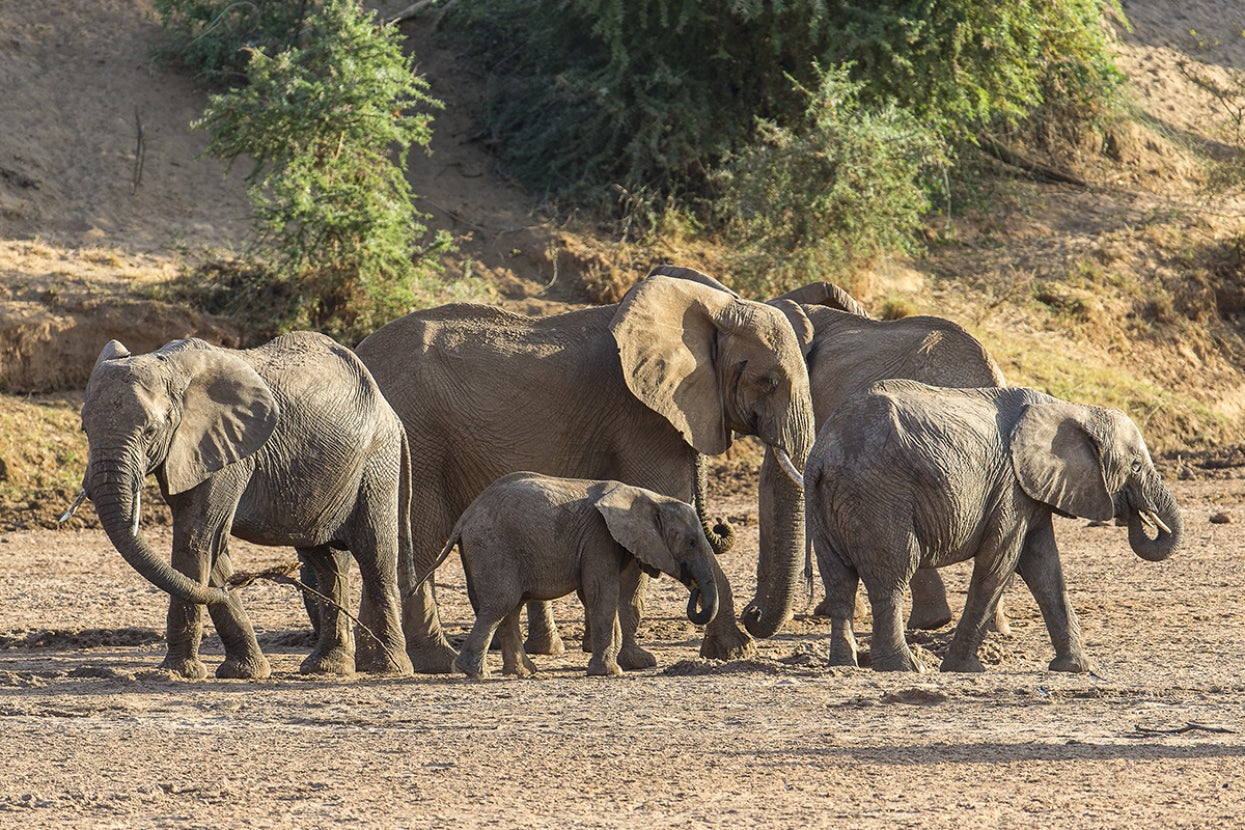
Elephants are raised in tight-knit family groups, so moving into a bachelor herd helps young males transition to adulthood.
As with family groups, bachelor herds have strict hierarchies, but theirs are determined by strength and size. Because males continue growing throughout most of their lives, older males are generally dominant over younger ones. These older males are essential role models who demonstrate necessary bull behavior with interactions like play sparring. This creates trust between herd members and helps younger males build the skills they will need later in life, when they start competing with older bulls for mates. Females tend to prefer mating with older, more dominant males, so it is vital for a young male to learn how to conduct themselves appropriately if they want to mate.
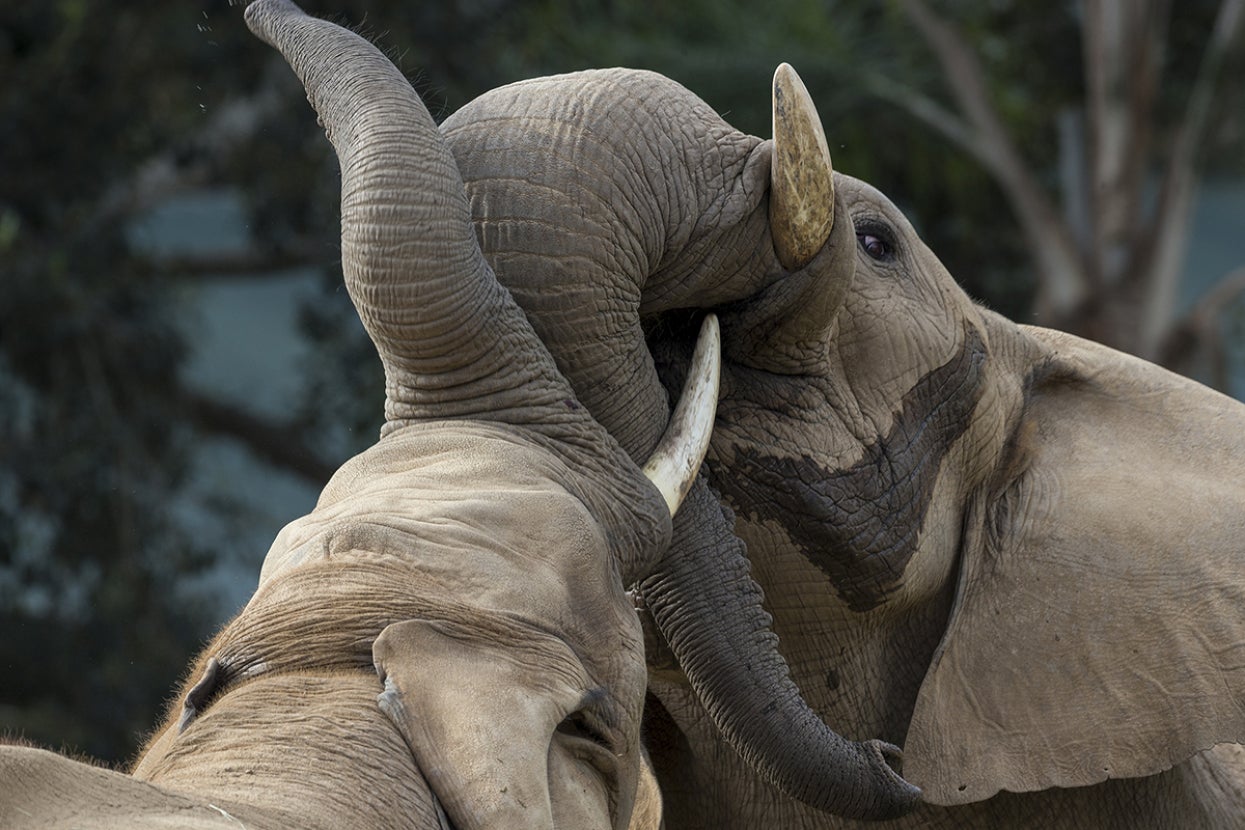
Younger male elephants learn essential skills, like sparring, from older males.
Unlike family groups, where lead females are typically related or have a strong connection to each other, bachelor herds may be made up of unrelated males who don’t have a previous relationship; nonetheless, they still rely on each other for safety and well-being. More knowledgeable bulls have been known to take on leadership roles within bachelor herds. Like matriarchs in family groups, these bulls have more experience within the environment and know how to navigate to resources. When it’s time to move along, a leader within a bachelor herd will make the same type of long, low “let’s go” rumble frequently heard from matriarchs in family groups.
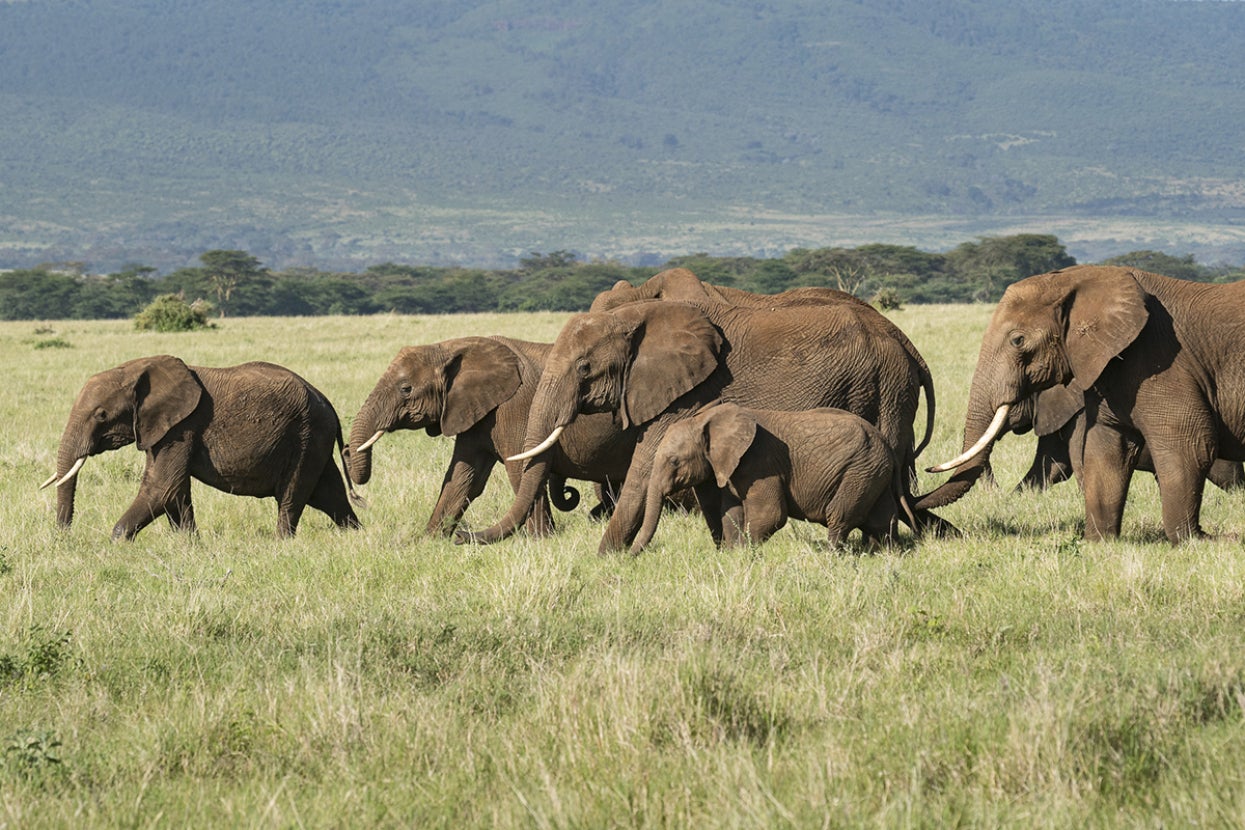
More experienced bulls may take on leadership roles within bachelor herds.
Musth and Mating
Young males usually transition out of their family group when they first enter musth. Musth (pronounced must) is a spike in reproductive hormones that means a bull is ready to mate. It happens about once a year, not seasonally, and may last anywhere from a few days to several months, depending on the reproductive stage of the bull. As bulls get older and larger, they enter musth more frequently and for longer periods of time.
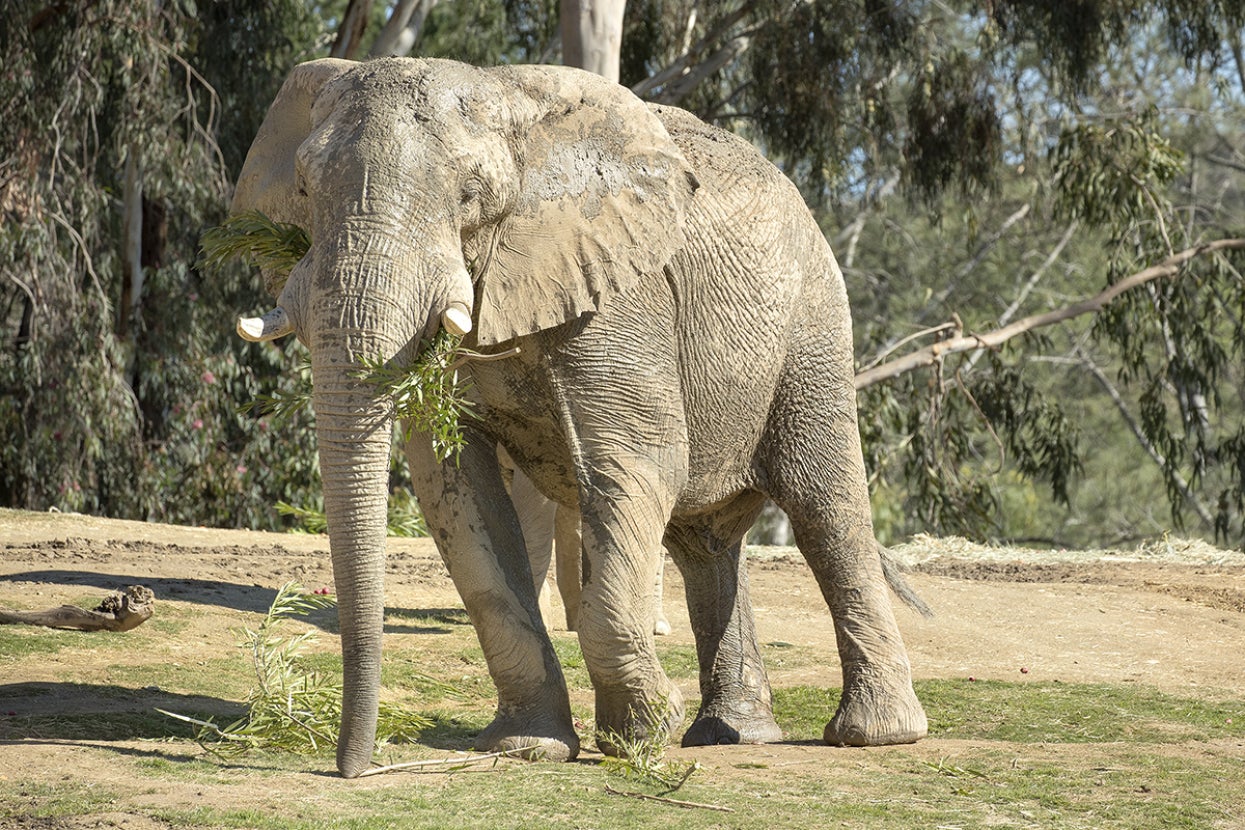
Bulls continue growing throughout adulthood.
When bulls are in musth, they experience many temporary changes in appearance and attitude. They have a significant spike in reproductive hormones like testosterone, which can make them more moody, excitable, or agitated. A normally calm, quiet bull may exhibit unusual behaviors, such as pushing or knocking over trees. These changes are natural and support the bull’s ability to secure a mate, as they may need to overpower other males in competition for a female.
Bulls in musth may also smell different, dribble urine as they walk, or have an oily fluid dripping from the temporal glands on each side of their heads (both males and females may have temporal gland secretions when they are excited or ready to mate.) They may also appear thinner than usual, because they are so focused on meeting females they don’t eat as much. These changes will go away once musth ends.
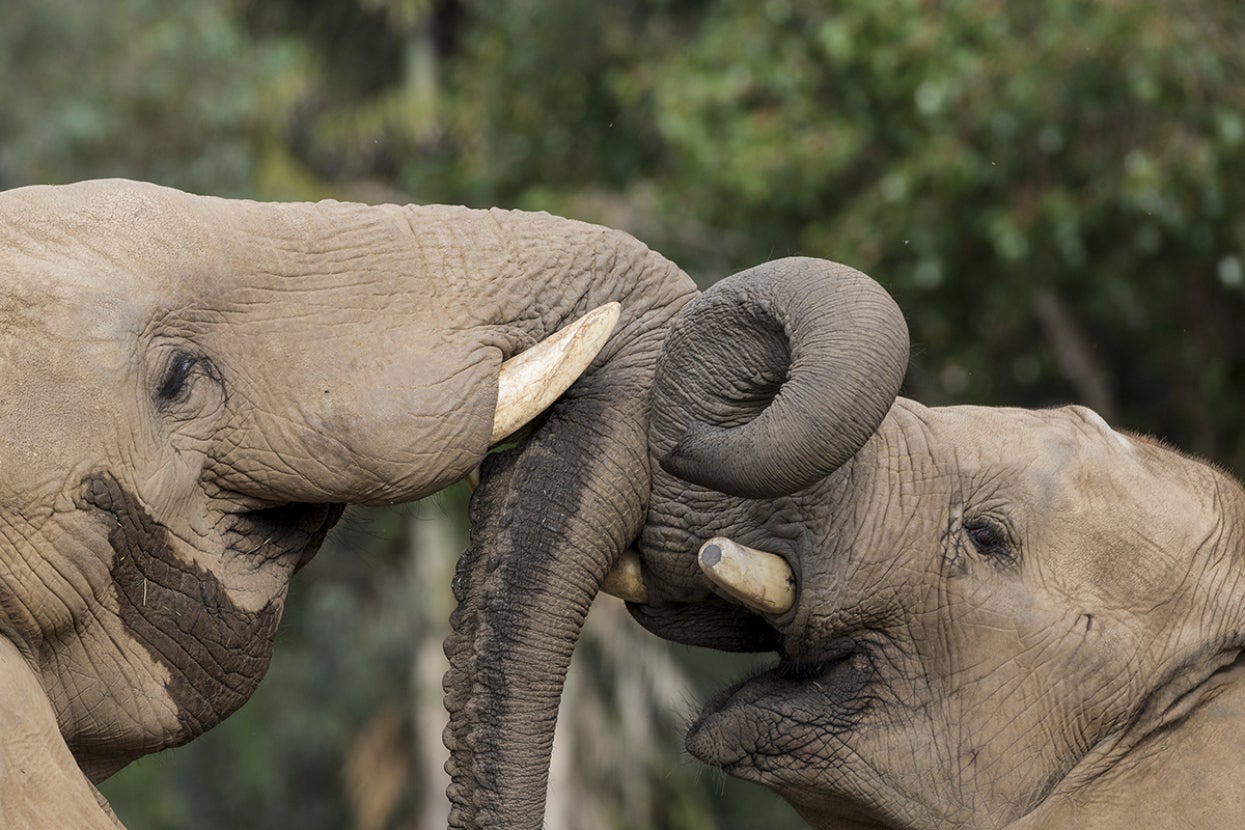
Bulls may compete with each other for females.
After a successful mating, the female’s herd may engage in a mating ceremony. They may approach the mated pair to sniff them, or make vocalizations like trumpets and rumbles. The bull may also guard the female to ensure she doesn’t mate with other bulls. The female will give birth about 22 months later, which is the longest gestation of any mammal.
Males in native habitats do not stay with the herd to help raise their calf; after mating, the bull will leave, either to seek another female or rejoin his bachelor herd. In human care, where bulls may continue sharing an environment with a family group after mating, they still will not directly contribute to raising the calves, though their presence is beneficial—even if they separate themselves a bit from the family group, calmer bulls often play with little ones, and male calves will have a mentor at an even earlier age.
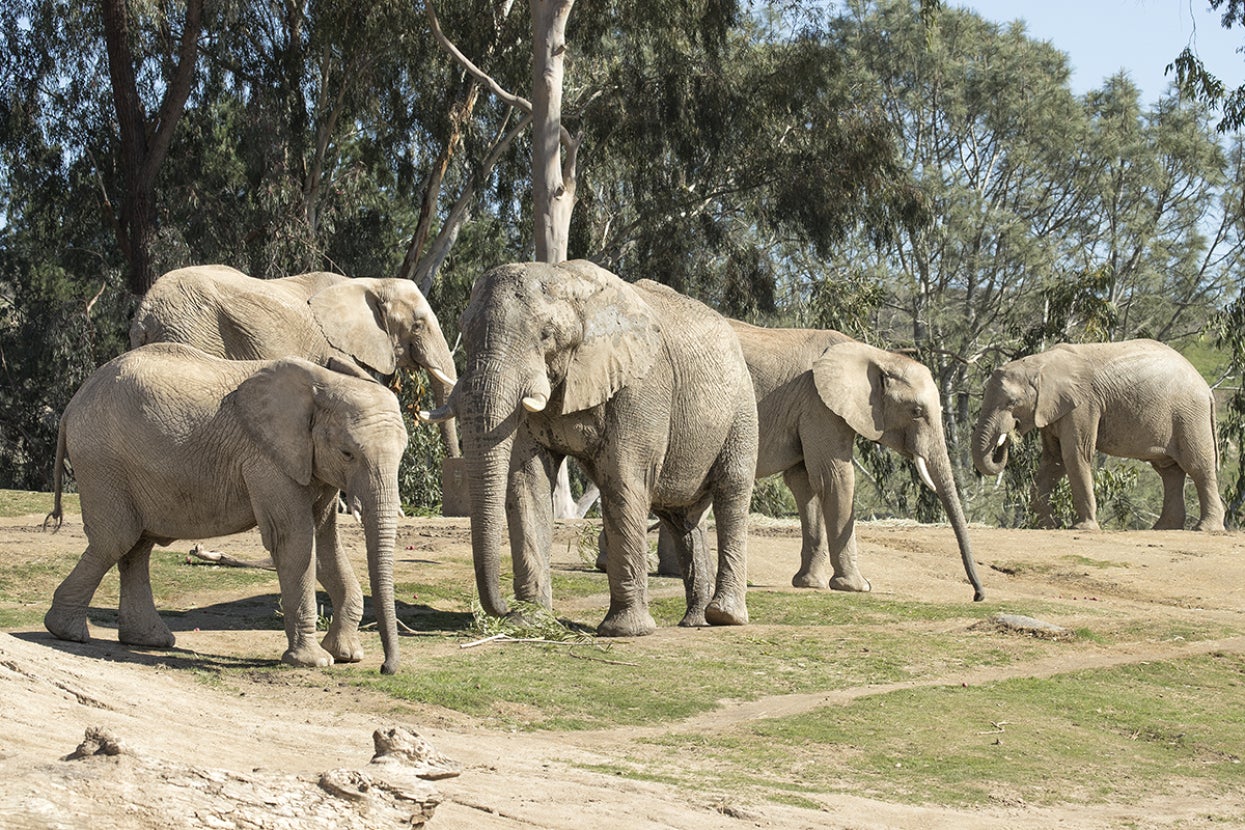
When a bull joins a herd, they are a mentor for younger members.
The Best Care for Bulls
Because bachelor herds contribute so much to a young male elephant’s development, conservation organizations like San Diego Zoo Wildlife Alliance work with partners to ensure bulls we have the honor of caring for experience the same life stages as those in native habitats.
When young males in native habitats are ready to leave their family group, they typically move to areas far from where they were born and raised, promoting genetic diversity across populations and supporting the well-being of the entire species. For bulls in the care of Association of Zoos and Aquariums (AZA)-accredited organizations, like the San Diego Zoo and San Diego Zoo Safari Park, this movement is supported by wildlife health and care experts.
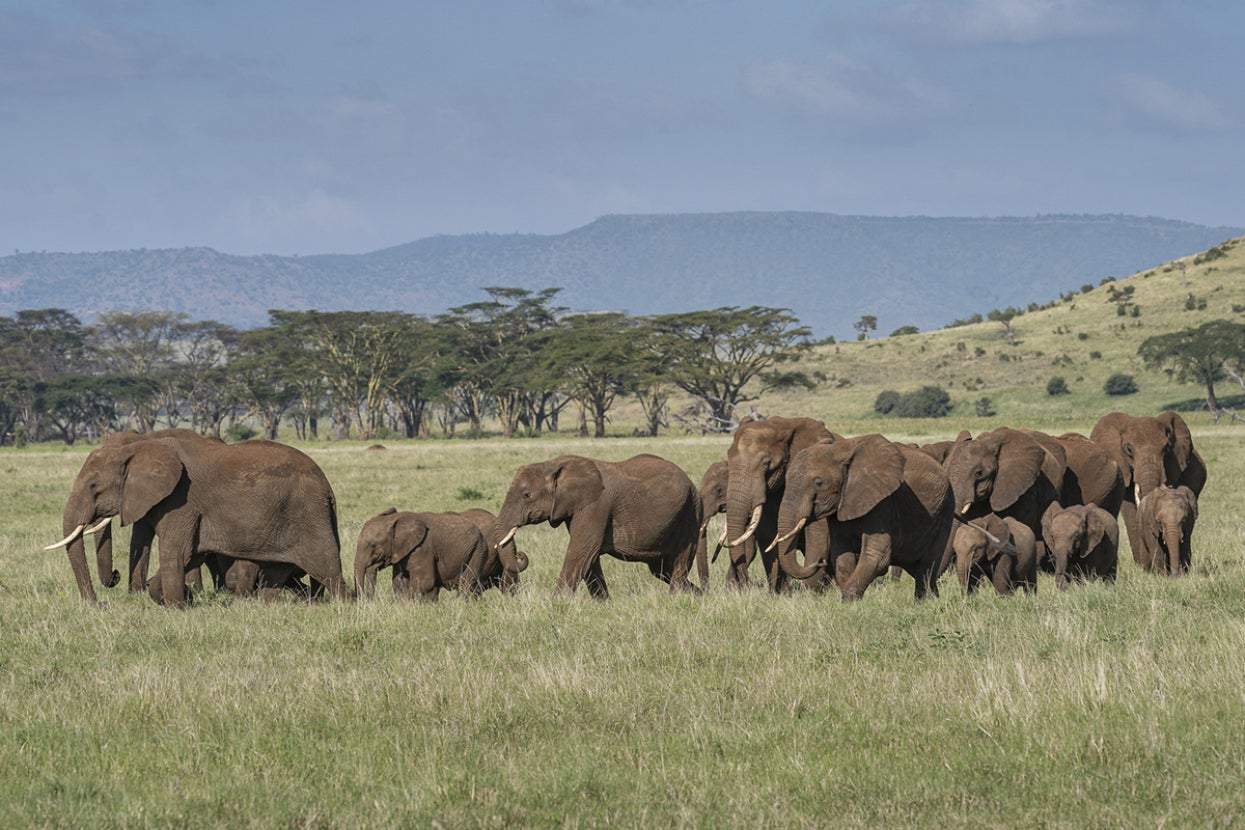
Bulls move to different herds when mating, ensuring genetic diversity across populations.
A bull’s journey may be similar to one experienced by Vus’Musi, an African savanna elephant born at the San Diego Zoo Safari Park. He stayed with his family group until he naturally weaned from his mother; he was then welcomed by different herds at other AZA-accredited conservation organizations and matured as a bull before traveling to the San Diego Zoo to join a bachelor herd thriving there. He will continue learning and growing alongside other male elephants until he is ready to join another herd and mate. Having both family groups and bachelor herds in the care of conservation organizations supports global populations of this endangered species.
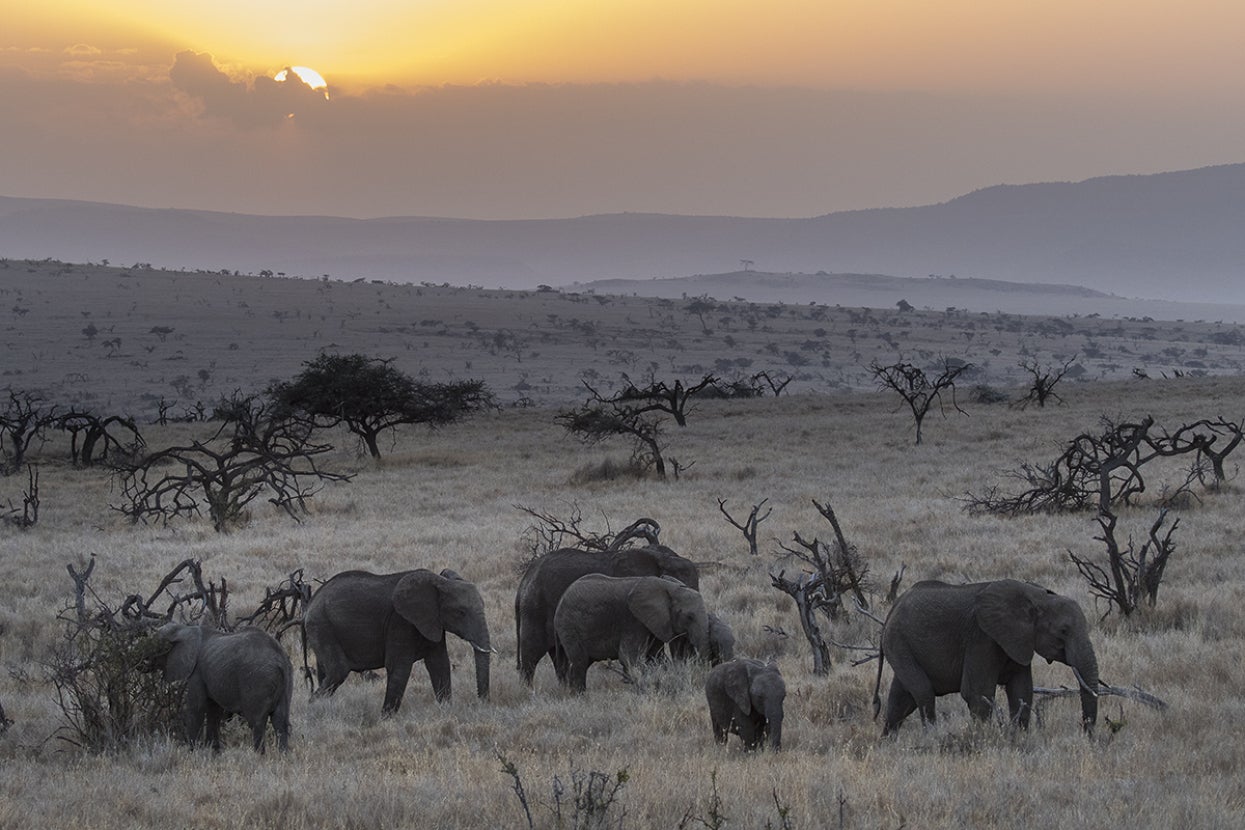
African savanna elephant social structures are incredibly complex.
Better Together
Elephant social structures are incredibly complex, and more is being discovered about them all the time. From being raised in a matriarchal family group to being guided through adulthood by a supportive bachelor herd, African savanna elephants will always work together to make sure their species will thrive.
San Diego Zoo Wildlife Alliance supports the conservation of African savanna elephants worldwide through our Savanna Conservation Hub. Learn more about these efforts while experiencing a family group at the San Diego Zoo Safari Park’s Denny Sanford Elephant Valley or a bachelor herd at the San Diego Zoo, or anytime with our online Elephant Cam.