





Zoo InternQuest is a seven-week career exploration program for San Diego County high school juniors and seniors. Students have the unique opportunity to meet professionals working for the San Diego Zoo, San Diego Zoo Safari Park, and Institute for Conservation Research, learn about their jobs, and then blog about their experience online. Follow their adventures here on the Zoo’s website!

Peter Gilson, a reptile care specialist and educator for the San Diego Zoo, was able to show the interns around the Galápagos tortoise habitat, as well as behind the scenes of the amphibian building and Reptile House. We learned all kinds of facts about Galápagos tortoises while looking around their habitat. Did you know Galápagos tortoises can hiss? But it’s not for the reasons you may be thinking. When threatened, these gentle giants will tuck their heads into their shell, causing them to exhale, which causes the hissing sound.
Mr. Gilson began his career at the Zoo eight years ago as a program aid for the education team, helping with educational programs like summer camp. Mr. Gilson studied environmental science as an undergraduate at Point Loma Nazarene University, where he was able to obtain an internship on the San Diego Zoo’s reptile team through a Point Loma alumnus. He was also able to work at the San Diego Zoo’s Institute of Conservation Research, where he explored reptiles and amphibians such as the mountain yellow-legged frog and Caribbean rock iguana. After graduating college, Mr. Gilson became an educator at the Zoo, where he has been working ever since.
Mr. Gilson always knew he loved reptiles, but he realized during his education that he definitely didn’t want to be a wildlife care specialist. He expressed how he prefers educating and interacting with the public rather than the day-to-day responsibilities required of care specialists. As an educator, Mr. Gilson’s job primarily consists of giving tours and conducting presentations at places like elementary schools. He often brings wildlife ambassadors, such as Ruby, the enormous red-tailed boa, to help engage and interest kids in learning about wildlife and conservation.
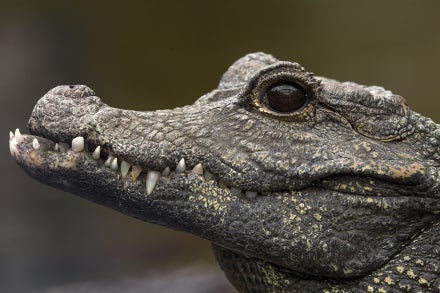
If working with the scaly and slimy is your thing, Mr. Gilson advises having a strong knowledge of herpetological taxonomy, or the scientific names of various reptiles and amphibians. Care specialists often need to communicate about specific species, and knowing who and what you’re talking about is always essential. Mr. Gilson also advises future reptile care specialists that like most professions, prior knowledge and “hands-on” experience, such as a earning a degree, volunteering opportunities, and internships, are invaluable. Reptiles and amphibians are very unique to most other wildlife, and care specialists need to be aware of those differences and how to tend to the reptiles and amphibians in relation to those distinctions. The cold-blooded are often associated with bad reputations and stereotypes, which for the most part are unwarranted. Reptile care specialists and educators, like Mr. Gilson, are working to break these bad perceptions and teach future generations to have respect for our scaly friends.
Dawn, Careers Team Week One, Fall 2015