



Illegal and unsustainable wildlife trade is responsible for the decline and extinction of species worldwide. Wildlife trade has historically been addressed through “top-down” measures, such as policy change (banning trade in certain wildlife) and enforcement of those policies through fines and jail time. While these are important, it has been evident for decades that these strategies alone are not enough to reduce trade. A complementary and critically important strategy is to reduce demand for wildlife by changing the behavior of individuals consuming wildlife.
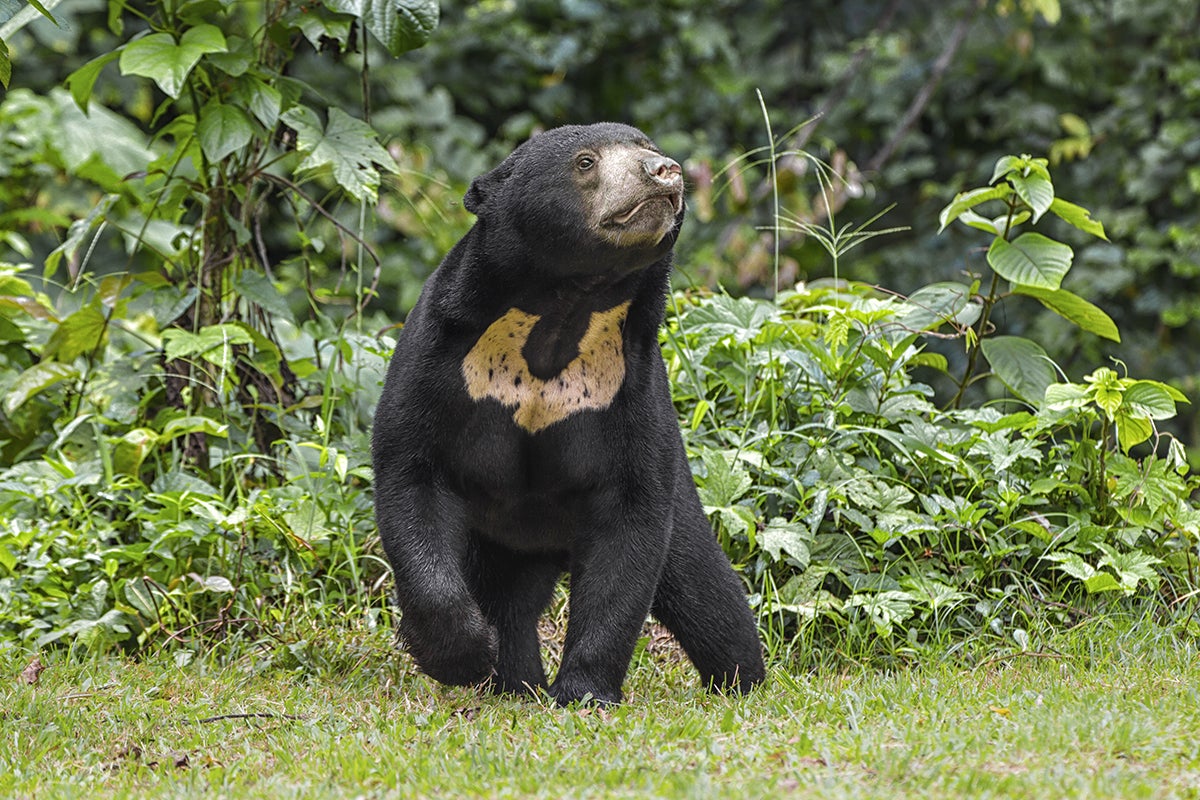
In many countries within East and Southeast Asia, Asiatic black bears and sun bears are harvested for their bile. The demand for bear bile has led to severe population crashes of these bear species across Southeast Asia, and is critical to halt if we hope to retain one of the last remaining carnivores in this region. Bear bile is believed to have medicinal properties, particularly for reducing pain and inflammation, and addressing severe liver ailments. The chemical properties of Asiatic black bear have been shown to be effective at addressing such ailments, but the effective chemical compound is easily synthesized in a lab, and is comparable to common biomedicine compounds, such as acetaminophen.
In the mid-2000s Vietnam was one of the premier bear bile consumption countries, with an estimated 5,000 bears taken from their native range and put on “bear farms” for extraction of bear bile for human consumption. As bears cannot reproduce on bear farms, this resulted in the loss of a significant proportion of the population. If demand for bear bile were to persist in Vietnam, both bear species could become locally extinct. In 2019 San Diego Zoo Wildlife Alliance (SDZWA) started working directly in Vietnam with our key local partner, Vinh University, to understand the characteristics of bear bile consumers across the country, as well as what motivated these consumers to use bear bile.
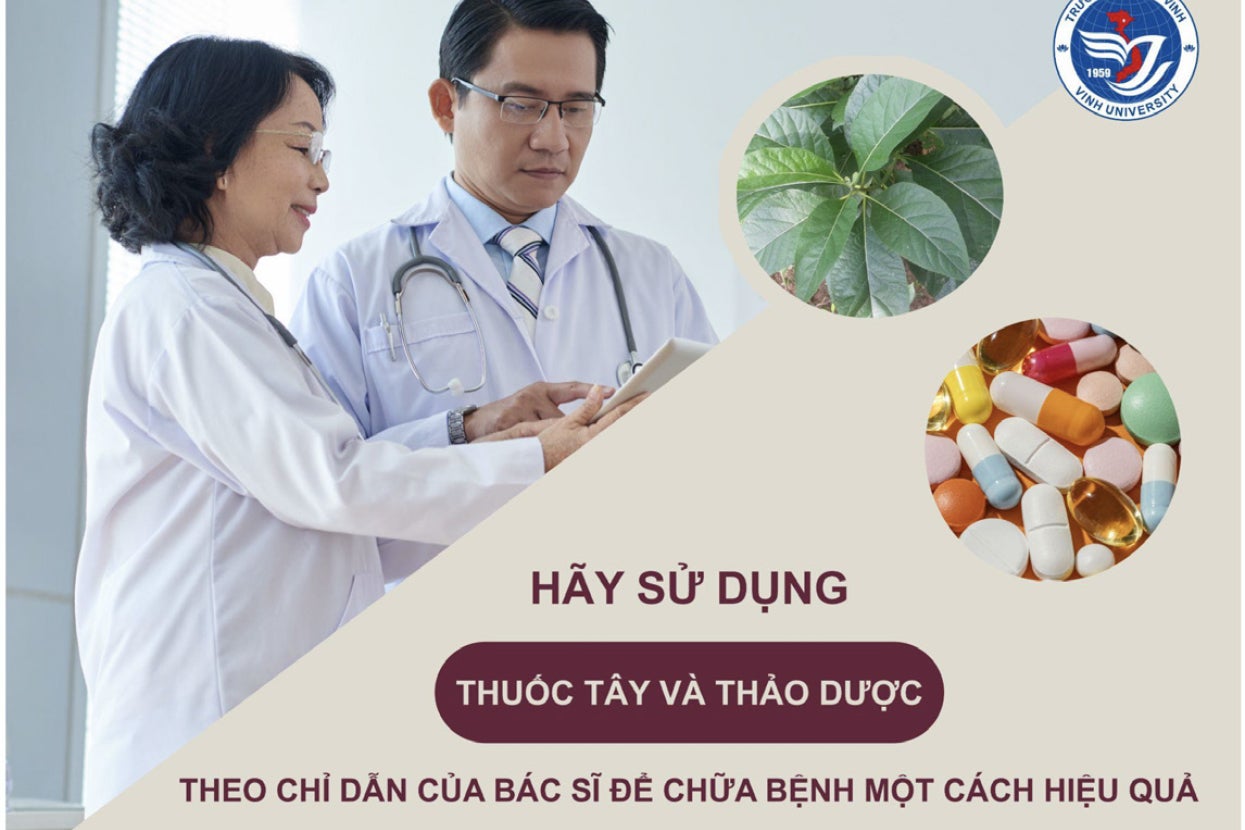
The bear bile demand reduction campaign included ads addressing ailments and suggestions for alternate treatments. One ad, pictured above, advises consumers to "Use western medicine and herbal medicine as directed by your doctor for effective treatment."
In 2022, we presented this information to a diverse group of stakeholders including wildlife rescue NGO representatives, community members, government officers, and university staff, to gather feedback on potential messages that would discourage the consumption of bear bile. Using that feedback, we designed a campaign wth core messages such as “herbal alternatives are a natural way to heal your body and celebrate biodiversity in Vietnam,” and “the best gifts are those that honor Vietnamese heritage. Choose gifts that do not contain Vietnamese wildlife.”
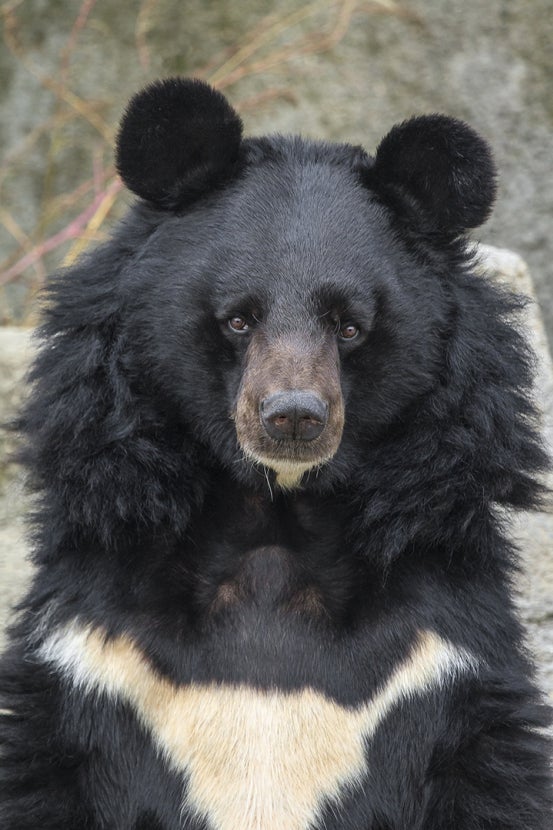
The success of these and similar campaigns can help save species such as the Asiatic black bear. | Photo Credit: dennisvdw/iStock /Getty Images Plus
We implemented the campaign at the end of 2023, and we used a Before-After-Control-Impact design for campaign evaluation. Specifically, we ran the campaign in a “treatment” area, and chose a comparative “control” area where we had no influence. In both areas we collected before and after survey data on the use of bear bile. We found that our campaign had an incredible impact—16% of our sample were using bear bile before campaign implementation, and only 1% were using bear bile after the campaign. While our messages were effective and resonant, the incredible efforts of our in-country partners to cultivate trust and engagement within our treatment commune enabled this change. In-country team members attended community meetings, had numerous one-on-one meetings, and even worked in the rice fields with local farmers to cultivate buy-in.
While this is a heartening result that gives us hope for the future of bear conservation in Vietnam, the isolated and depleted bear populations are still threatened by indiscriminate poaching by food-insecure, forest-adjacent communities. Our organization is working with community members, government officers, and our local partners to co-create community engagement plans that support local households, while reducing indiscriminate poaching. As always at the Alliance, we envision a world where all life thrives.