




From sun bears to giant pandas, and from teddy bears to Paddington, there is something undeniably charismatic about bears. They are interwoven into the culture and lore of the communities that have lived alongside them for millennia, as well as into popular culture. Despite the large presence bears hold in our collective psyche, the bear family—Ursidae—is quite small, comprised of only eight species. Giant pandas, American and Asiatic black bears, sun bears, sloth bears, polar bears, brown bears, and Andean bears make up the bear family, and each is unique and can be found in various habitats across the globe. Just as bears have both unique and shared characteristics, factors that threaten each of the bear species are also both unique and shared.
Facing the Challenges
As large carnivores, perceptions of danger can illicit fear, and undermine coexistence between bears and humans. The cascading impacts of habitat instability threaten wildlife around the world, but for polar bears the very habitat they depend on—Arctic sea ice—is actually melting right out from under them. Other forms of habitat loss and fragmentation are also common drivers of decline for all bear species, from giant pandas to Andean bears, but for the diminutive sun bear, their increased visibility due to habitat fragmentation is compromising their very existence. The illegal wildlife trade is also a major threat to both Asiatic black bears and sun bears. And because bears can be so challenging to monitor and study in their native range, management of bear populations is often done with limited data and with mixed success.
San Diego Zoo Wildlife Alliance (SDZWA) has a long history with bears, and we have pioneered approaches to engaging the bears in our care with scientific studies that help inform conservation strategies for their counterparts in their native ranges, bridging the information gap as best we can. From giant pandas to polar bears, the bears in our care have made meaningful contributions to our understanding of what bears need to survive, and have engaged millions of guests along the way, fostering great empathy and understanding for the importance of bears in our natural world. We are also actively engaged in conservation programs for bears in their native range around the world.
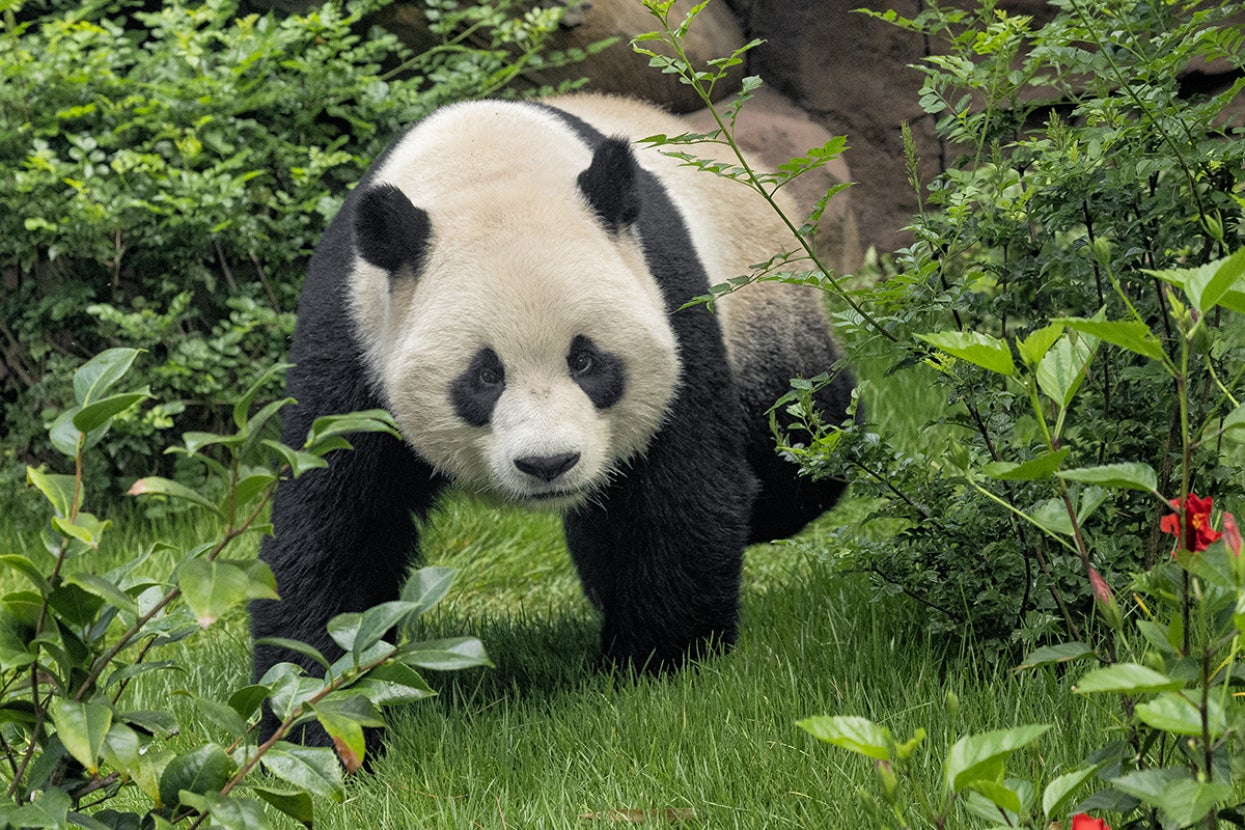
Giant panda
Bear with Us
Giant pandas arrived in San Diego in November 1996 as part of a collaborative conservation agreement with China. At that time, little was known about the panda’s biology and natural history, and a conservation breeding program was just getting underway. With little success in the early years, conservationists turned towards the study of giant panda reproductive biology, including behavior and physiology, to help turn around the conservation breeding program and establish an assurance population. From about 1,000 pandas in the wild to more than 2,000 now, and from fewer than 50 pandas in managed care to a bustling population of more than 700, giant pandas are on the rebound and SDZWA has had a long history of contributing to giant panda conservation through sharing our expertise in wildlife care, health, and science.
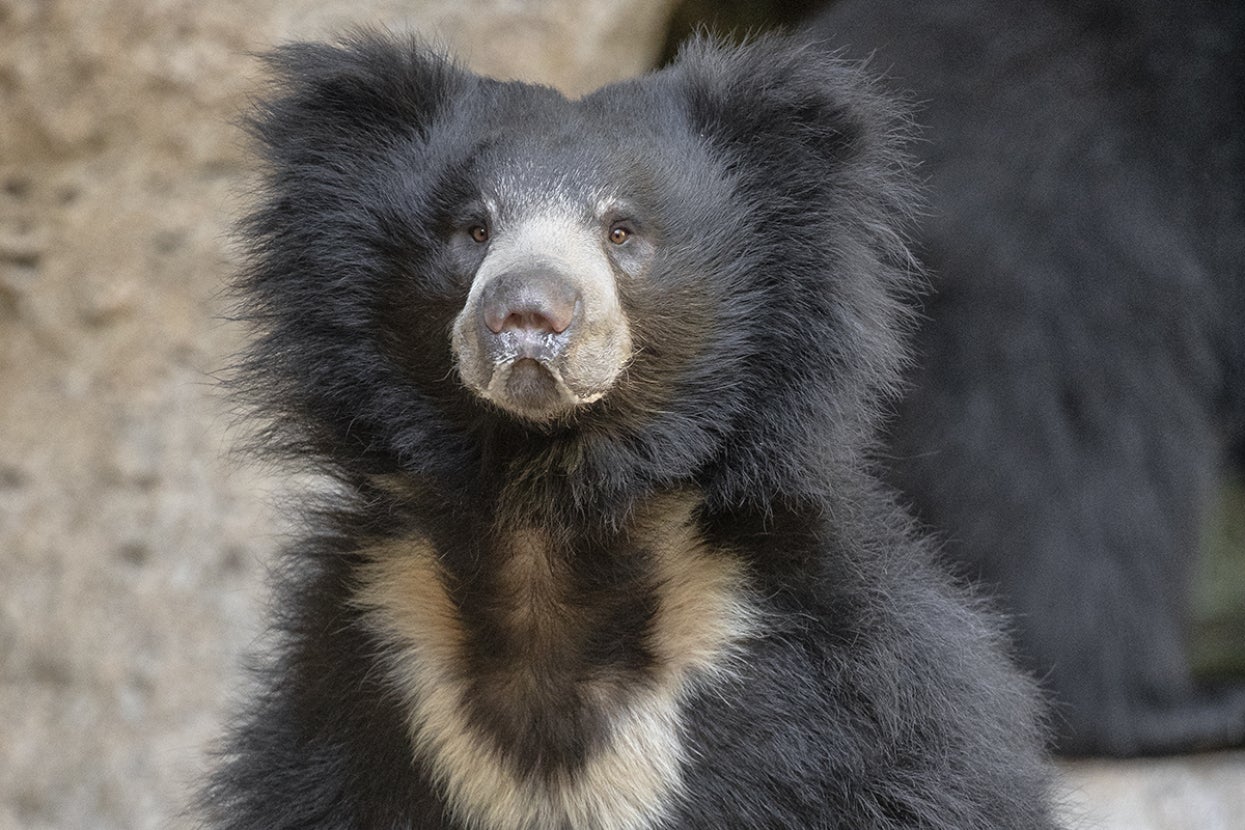
Sloth bear
Sloth bears at the San Diego Zoo provide our guests with a great view into the unique lives of these shaggy and charming bears. In their native habitat, sloth bears share the landscape with human communities, and so conflict can arise, threatening their existance. Indigenous to the Indian subcontinent, the sloth bear has shaggy black fur and long, curved claws—great tools for digging out termites and ants. Unlike other bear species, sloth bears are primarily insectivorous. They are classified as vulnerable, with declining populations due to habitat loss, poaching, and conflict with local communities.
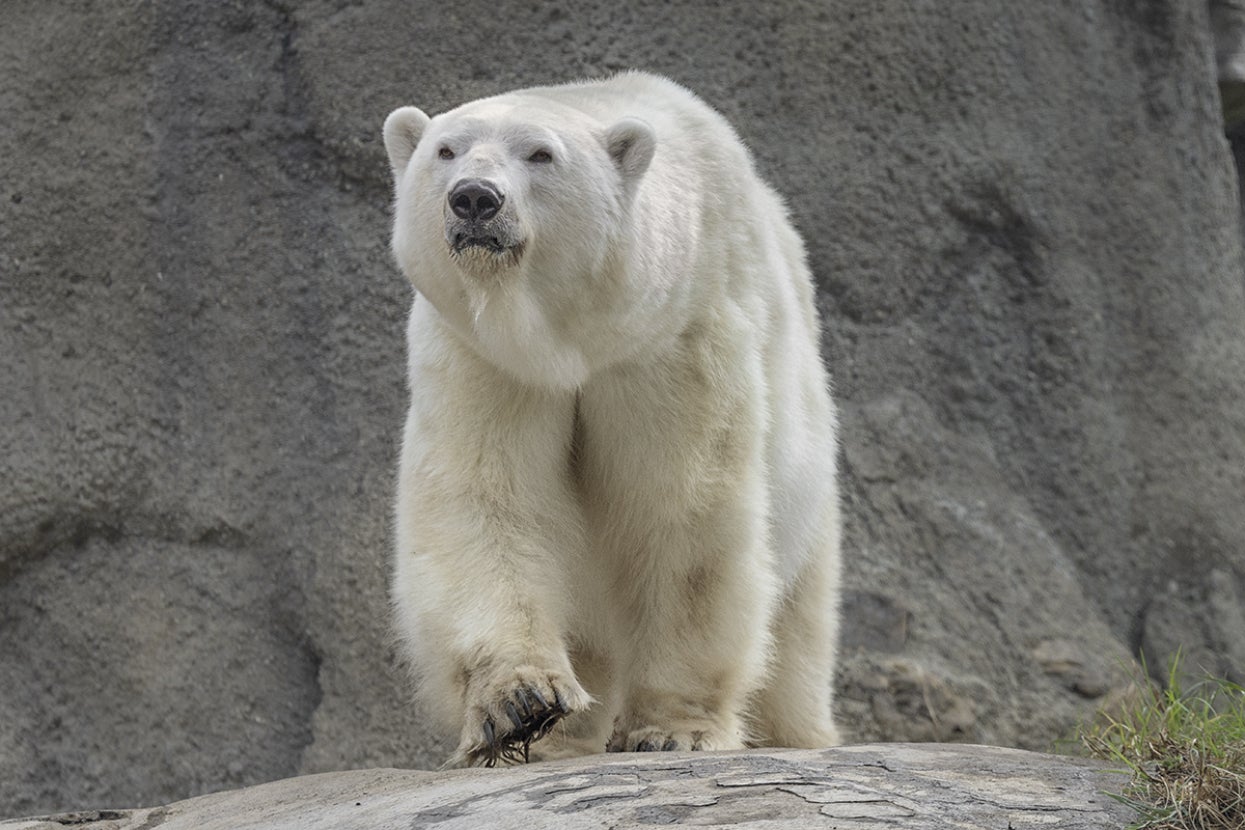
Polar bear
Polar bears have had a long history at the San Diego Zoo. Threatened by the cascading impacts of global habitat instability and sea ice loss, the conservation efforts of SDZWA have largely focused on mitigating the impacts of changes to the environment, including protecting maternal denning and promoting coexistence, as polar bears come ashore in larger numbers than ever to escape the worsening conditions of the Arctic sea ice. With a short 250,000 years separating them from their closest relative, the brown bear, polar bears exemplify how adaptative evolution has resulted in a highly specialized lifestyle and needs, including an entirely carnivorous diet largely made up of fat-rich ice seals.
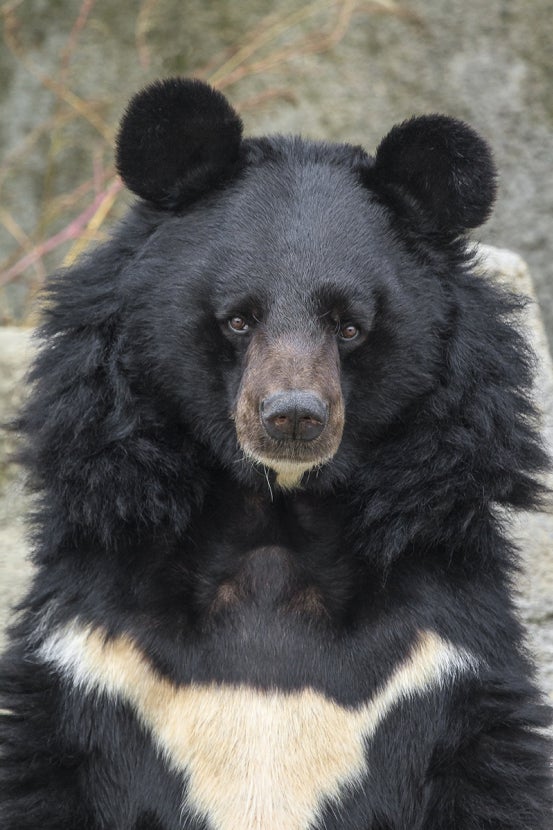
Asiatic black bear
Photo: dennisvdw/iStock/Getty Images Plus
The Asiatic black bear, known for its distinctive white chest markings, ranges from the Himalayas to Southeast Asia. This species, also referred to as the moon bear, primarily inhabits forested areas. Unfortunately, it is classified as vulnerable and close to extirpation in major areas of its range; with major threats including habitat loss, and poaching for medicinal use. Our team is working in communities in Southeast Asia to reduce demand for bear bile, which is used to treat common ailments such as bruises and pain.
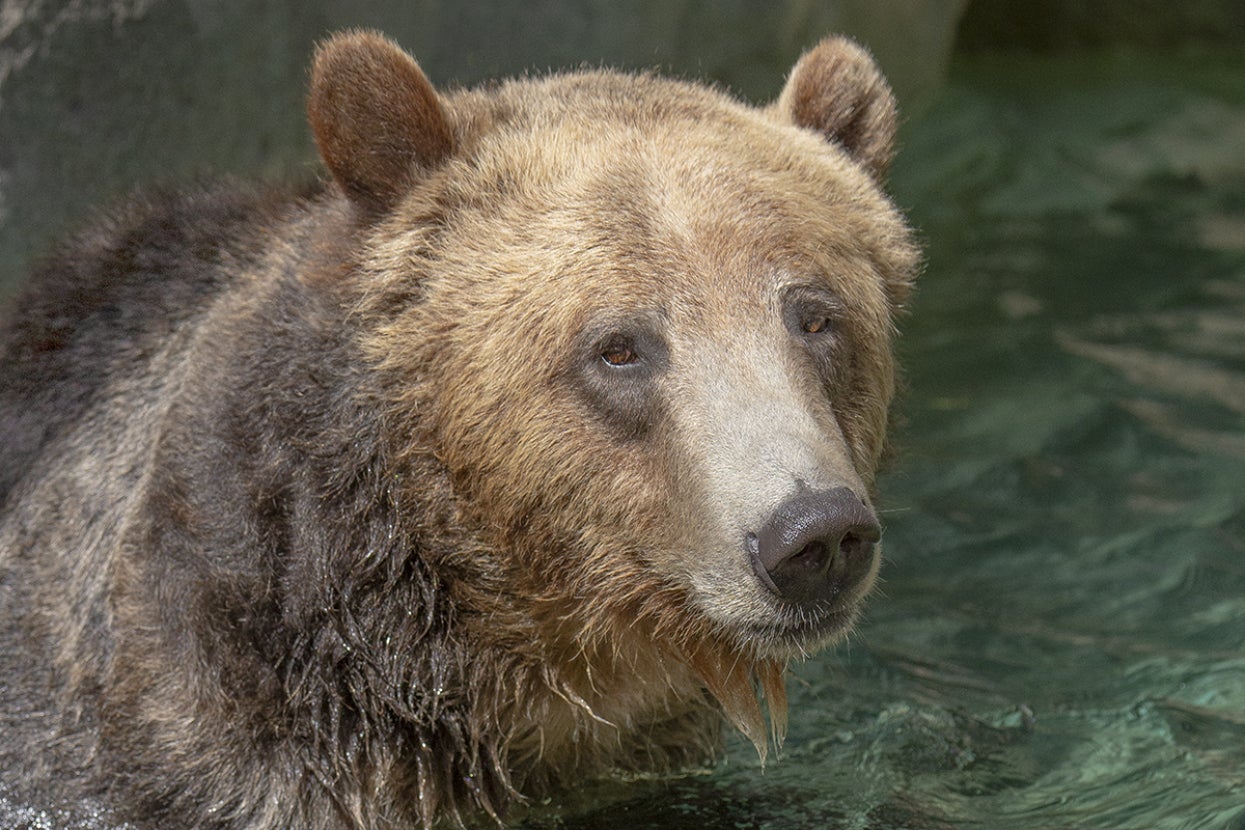
Brown bear
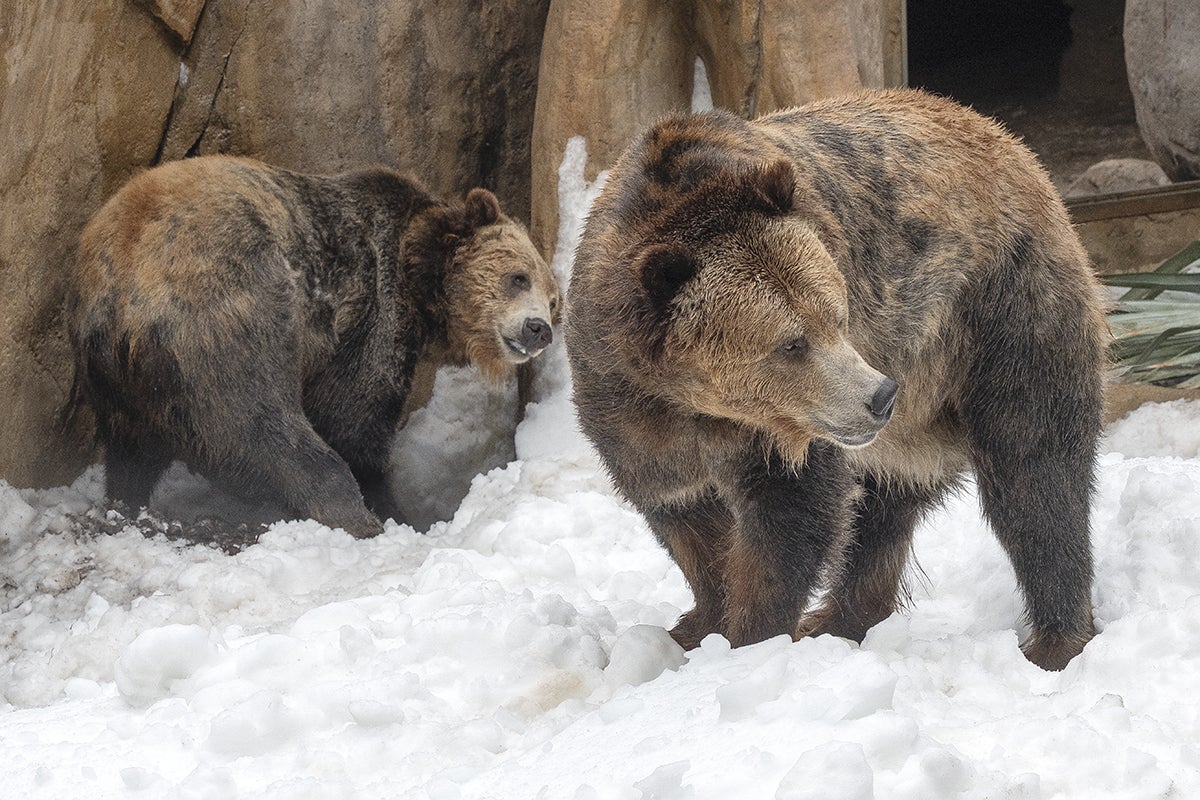
Brown bears are the most widely distributed bear species, found in North America, Europe, and Asia, and this wide distribution has resulted in a number of brown bear types, including the grizzly bear, Kodiak bear, and Eurasian brown bear, among others. Brown bears have a diverse diet that ranges from berries and roots to fish and small mammals. As a species the brown bear is ranked as of least concern, although certain subspecies face threats from habitat loss and hunting, and the return of the grizzly bear to the Greater Yellowstone Ecosystem in North America can be considered a great example of successful conservation management.
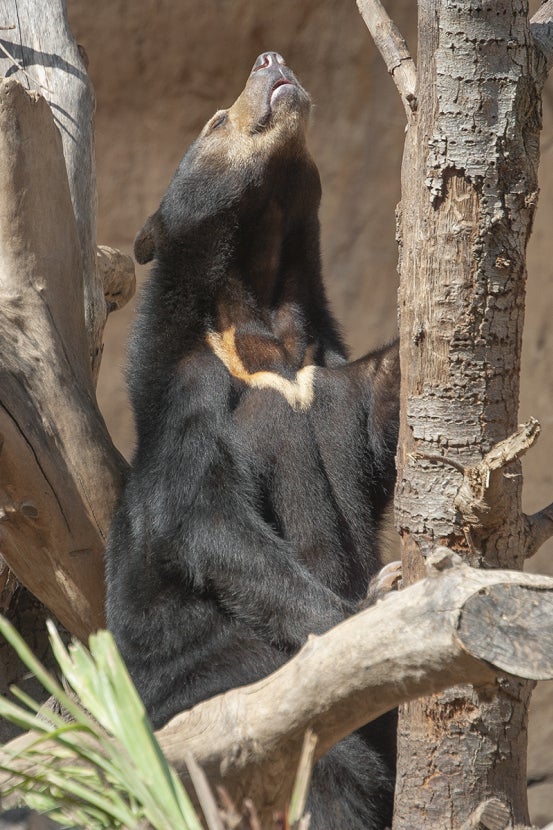
Sun bear
The sun bear is the smallest of the bear species and can be found in the tropical forests of Southeast Asia. They are characterized by their short fur and a distinctive light-colored patch on their chest, resembling a sun. Sun bears are the most arboreal of bear species and are excellent climbers! The San Diego Zoo has cared for sun bears for many years, and we have learned much about the species as a result. Sun bears are classified as vulnerable, and close to local extinction in major areas of their range, mainly due to deforestation and illegal hunting to support the illegal wildlife trade.
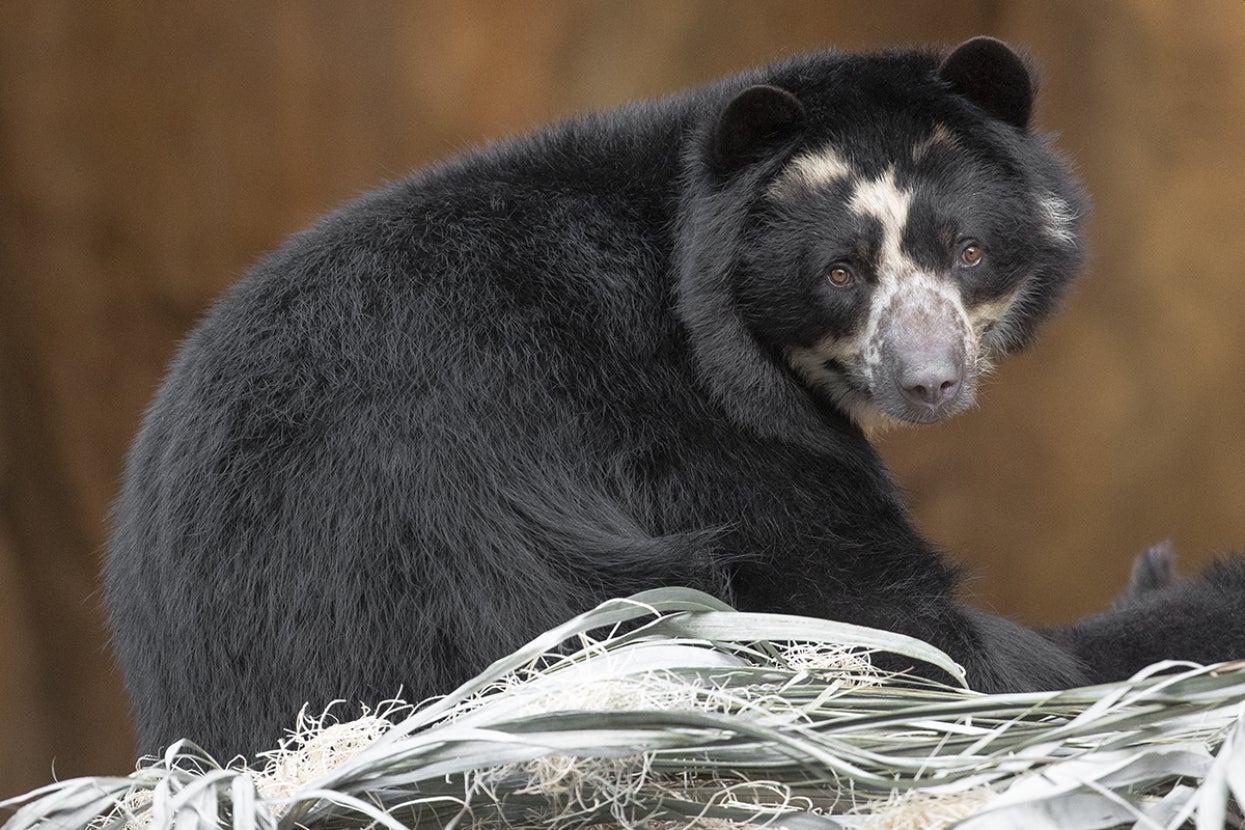
Andean bear
The Andean bear, also known as the “spectacled bear” is the only bear species native to South America. Named for the unique markings around its eyes, this species inhabits cloud forests and other habitats of the Andes. It is primarily herbivorous, feeding on fruits and leaves, including bromeliads. The Andean bear is classified as vulnerable, threatened by habitat loss and fragmentation, and human-wildlife conflict. Andean bears at the San Diego Zoo have shown us just how clever these bears are, and we have learned much about the species through close observation. Conservation efforts throughout their range include a focus on protecting habitats, promoting community-based conservation programs, and enhancing connectivity between fragmented forests.
Hope for Tomorrow
Bears may symbolize strength and resilience, but many face significant challenges in our rapidly changing world. Conservation efforts for each species require tailored approaches considering their ecological needs and the regional contexts in which they reside. Collaborative conservation initiatives that start with local communities and governments, and with contributions by international organizations are essential in ensuring the future of these magnificent animals.