



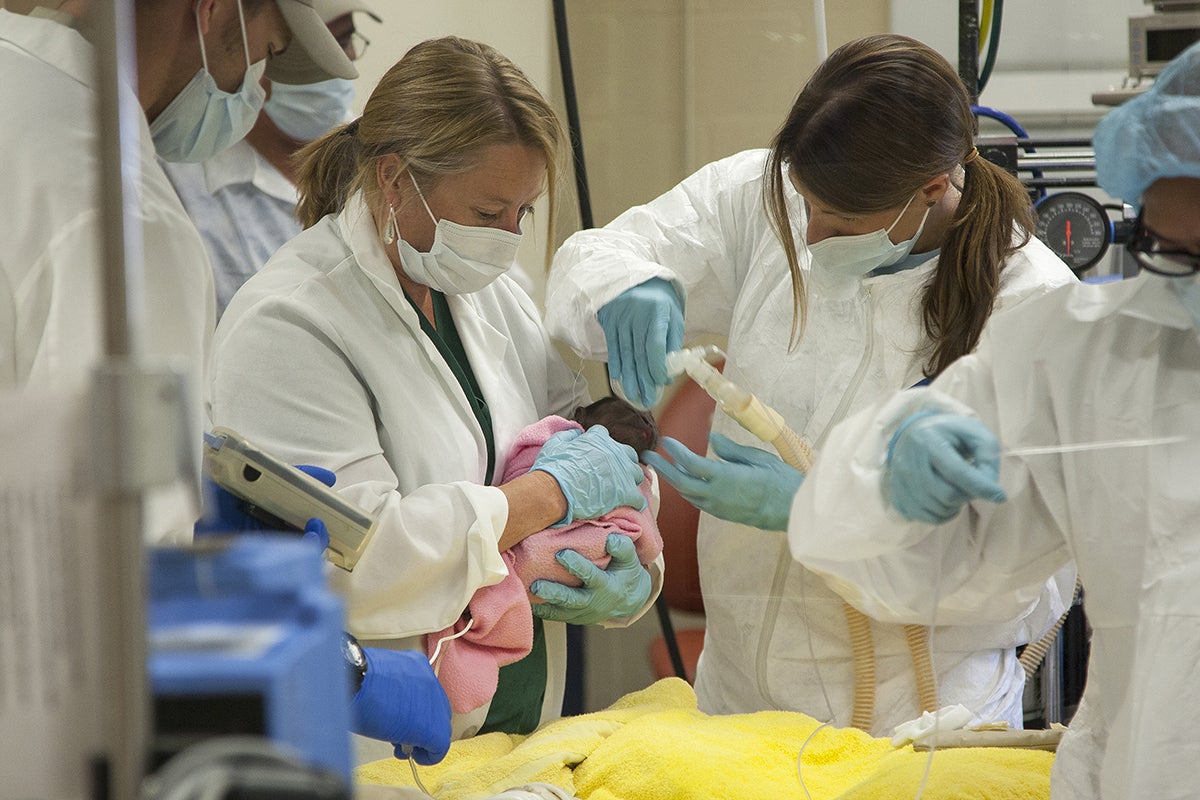

The Harter Veterinary Medical Center has been the setting for groundbreaking advances in wildlife healthcare since opening at the San Diego Zoo Safari Park in 2001. Then and now, Harter is recognized as one of the most sophisticated zoo hospitals in the world. Tools and procedures developed at Harter have transformed global zoo medicine. And while its state-of-the-art spaces and equipment make it extraordinary, it’s the expertise and passion of Harter’s teams that make it world-class. Every single day, our Wildlife Health team—composed of four specialist groups: Veterinary Services, Clinical Laboratory, Disease Investigations, and Wildlife Nutrition—provides comprehensive care that spans everything from preventive medicine to disease detection, diet, everyday care for patients, and long-term health monitoring.
San Diego Zoo Wildlife Alliance’s commitment to exceptional wildlife care began with our founding in 1916. In the last 25 years, Harter has built on that legacy by creating life-changing outcomes for both individual animals and entire species. As we celebrate Harter’s 25th anniversary, we’re proud to spotlight some of the innovations, achievements, and lasting impacts we’ve made for wildlife at the Safari Park and around the world.
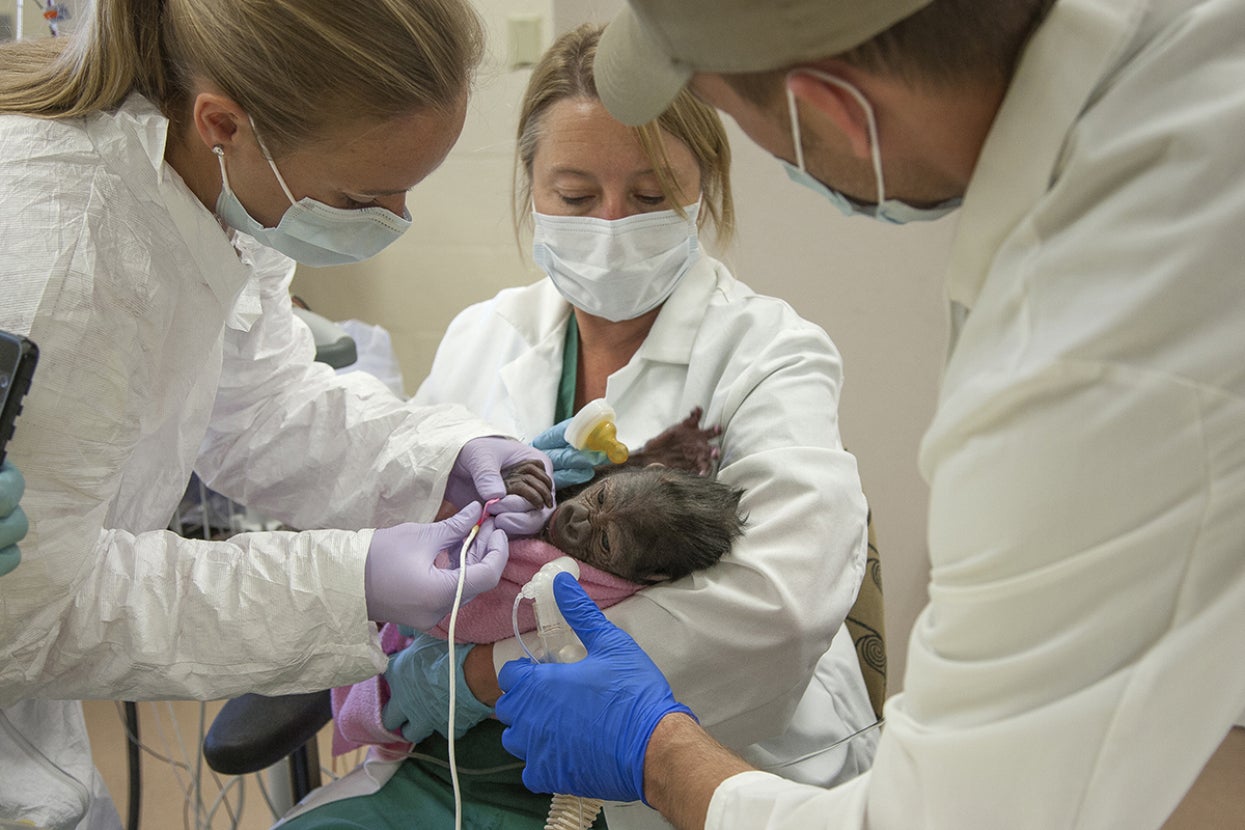
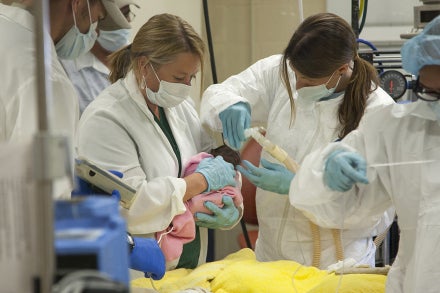
Baby gorilla Joanne required critical support at birth.
Gorilla delivery: Joanne arrives by caesarean section
When western lowland gorilla and first-time mother Imani experienced labor complications in 2014, the team at Harter performed one of the first gorilla c-sections in the world. Baby Joanne developed pneumonia due to the prolonged labor, but our hospital team, in collaboration with a human pediatrics specialist, saved her life with round-the-clock emergency care. Joanne was reunited with Imani twelve days after birth, and today she is thriving with her troop at the Safari Park, a vital addition to the critically endangered great ape population.
Johne’s disease: Eliminating an infection
For nearly two decades, our team worked to understand and eliminate Johne’s disease, a bacterial infection that affects hoofed mammals and that is notoriously difficult to control. After the disease emerged at the Safari Park in 1991, we became disease detectives: we collected fecal samples from almost 10,000 animals, representing more than 100 species, and traced decades of health records to track how the disease spreads. That persistence culminated in the eradication of Johne’s disease from the Safari Park in 2012, along with measures to prevent recurrence and recommendations for disease management across zoos.
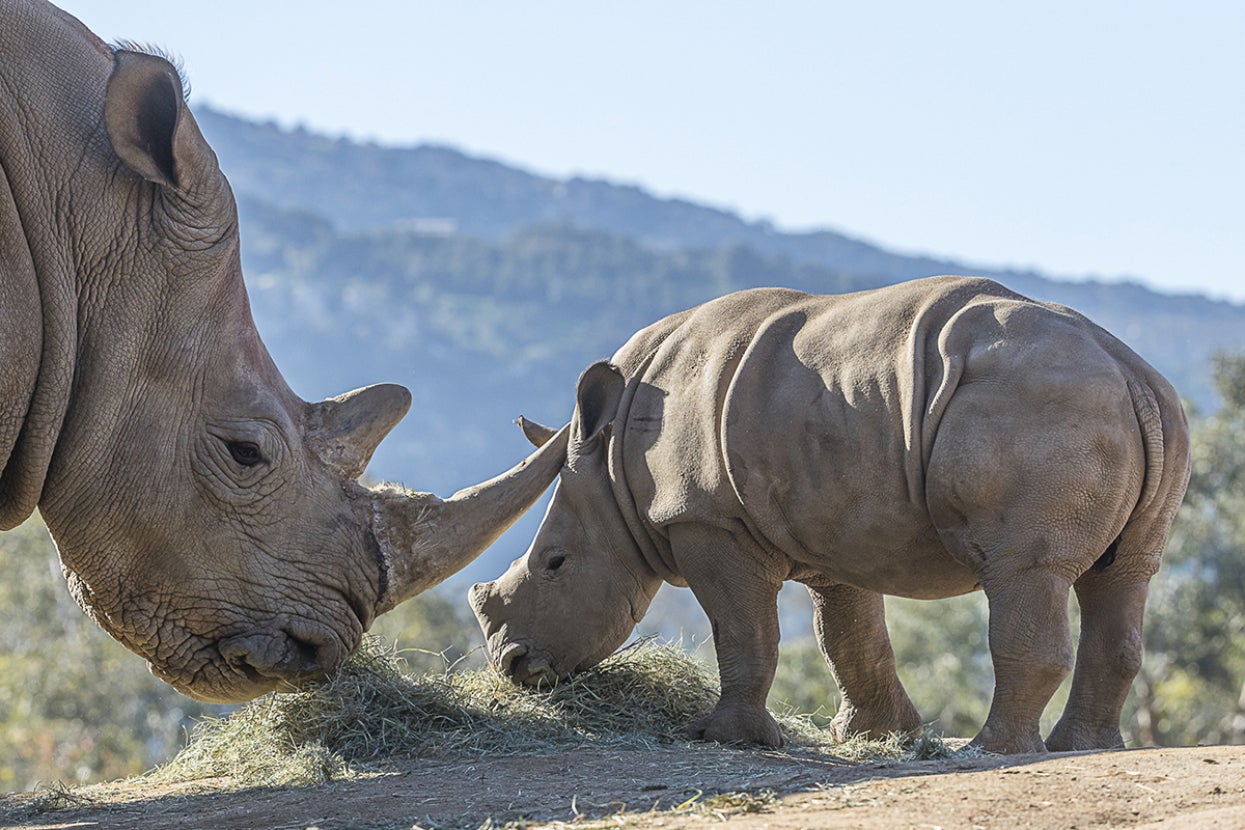
Rhinos can only lift their massive heads a few feet off the ground, so their food supply needs to be low to the ground too.
Nutrition studies: How to feed a zoo
Just like people, wildlife have preferences and needs for what, when, and how they eat. Our nutritionists—one of the few dedicated zoo nutrition teams in the country—determine the most appropriate diet for each of roughly 3,000 animals at the Safari Park. Because wildlife nutrition studies are limited, our team often leads the research that answers crucial questions for zoos around the world, such as developing a calculator that determines the optimal way to distribute food in expansive field habitats shared by multiple species.
The clinical laboratory: Turning samples into solutions
Biological samples like blood and urine may not seem like much, but they provide key insights about what’s happening inside the body. So, it’s a good thing Harter’s clinical laboratory technicians process approximately 7,000 biological samples per year. The information our team extracts helps us establish things like a normal blood cell count for an elephant or whether a toucan’s liver is functioning—factors that are invaluable in preventing and diagnosing illness and in supporting the health of wildlife everywhere.
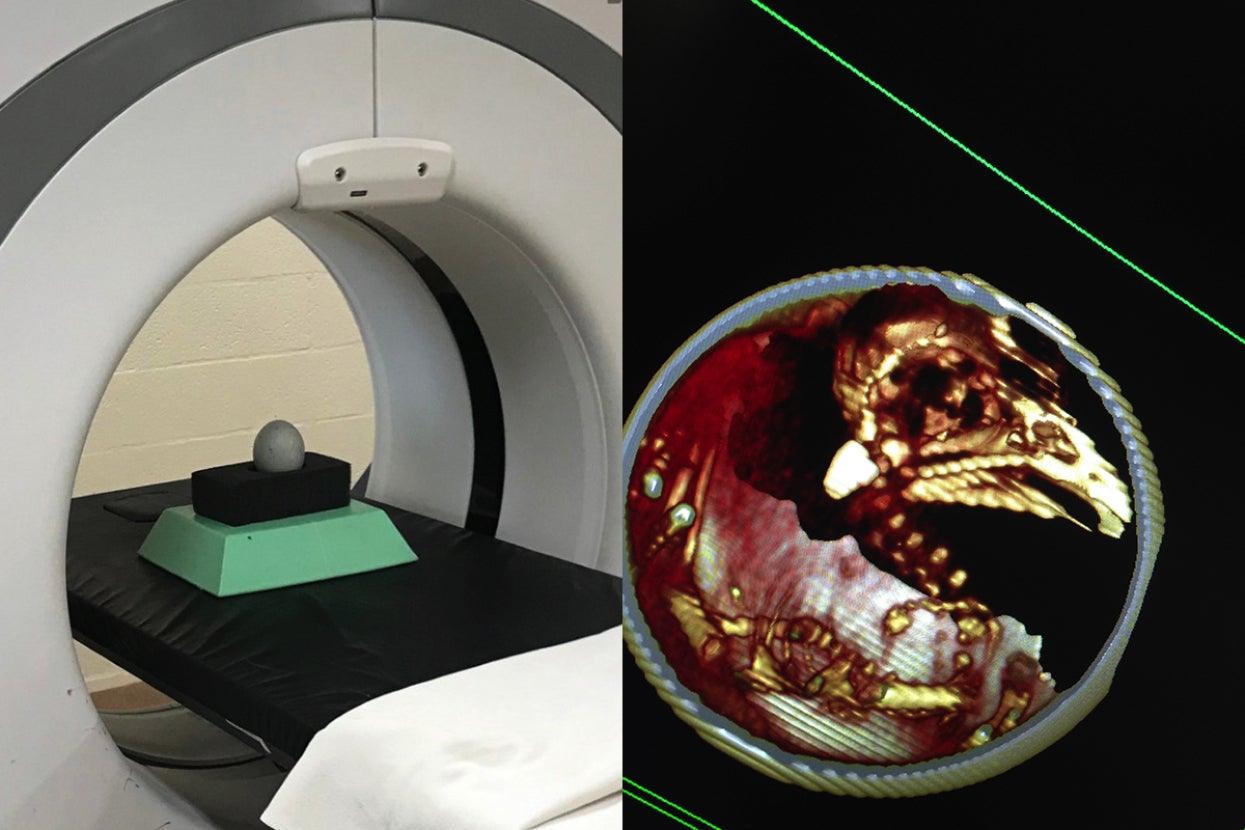
CT scanning an egg (left) gives us a view of the developing chick inside the shell (right).
Computed tomography: A game-changing diagnostic tool
Computed tomography, or CT scanning, has been a cornerstone of human medicine for decades. Using it in wildlife medicine, however, presents a challenge: patients come in a much larger range of shapes, sizes, and weights. Harter adopted CT technology in 2017 and has since become a leader in adapting its use, providing unparalleled three-dimensional views into hundreds of animal patients. We even pioneered its use for bird eggs, allowing our team to identify chick malpositions that may require intervention to support a successful hatch.
Highly Pathogenic Avian Influenza: Managing a pandemic
When Highly Pathogenic Avian Influenza erupted into a global panzootic (an animal pandemic) in 2022, the Safari Park faced a unique challenge: protecting the Park’s resident birds while remaining a stopover site for migratory birds. Harter’s dedicated quarantine spaces, biosecure facilities, and top-tier laboratories allowed our expert team of pathologists to launch an extensive surveillance effort. We processed more than 1,300 tests on birds and the environment to detect the virus early and limit its spread. We also collaborated with the U.S. Fish and Wildlife Service to pilot a vaccine that protects critically endangered California condors against infection.
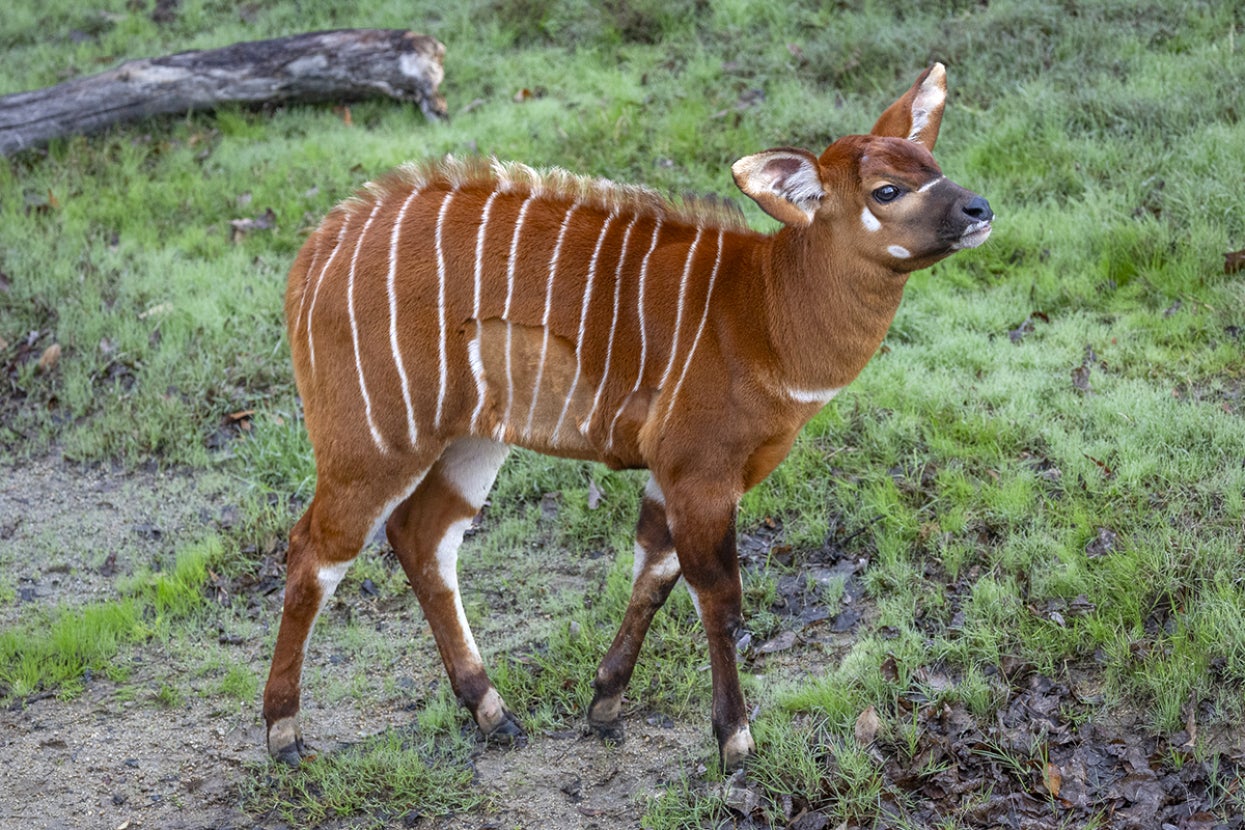
In his first few weeks of life, bongo calf Barnaby drank three to five antelope-sized bottles of milk per day.
Milk formula: Bottle-feeding a very large baby
Our team doesn’t wait until a baby needs a bottle to create a custom milk formula. Instead, our nutritionists proactively develop recipes for most species in our care before they’re even born, ensuring a ready backup in case of emergency. And these recipes are never static. When bongo calf Barnaby was hospitalized at Harter in 2025, we adjusted his formula almost daily for nearly three months to match his growth, digestive health, appetite, and changing nutritional needs. Barnaby made a full recovery and is now thriving with his herd. Our highly adaptable approach gives newborns like Barnaby the best possible start.
Amyloidosis: What the past tells us about the future
A rare kidney disease called amyloidosis can occur in any species, but it affects black-footed cats at a younger age than expected. Our team is currently studying tissue slides and frozen kidney samples from dozens of cats in search of the genetic marker that predicts which individuals will develop the disease. Our goal is to prevent it from being passed to future generations. This investigation is made possible by our Pathology Archive, the largest wildlife repository of its kind in the world, which houses more than 700,000 tissue slides.
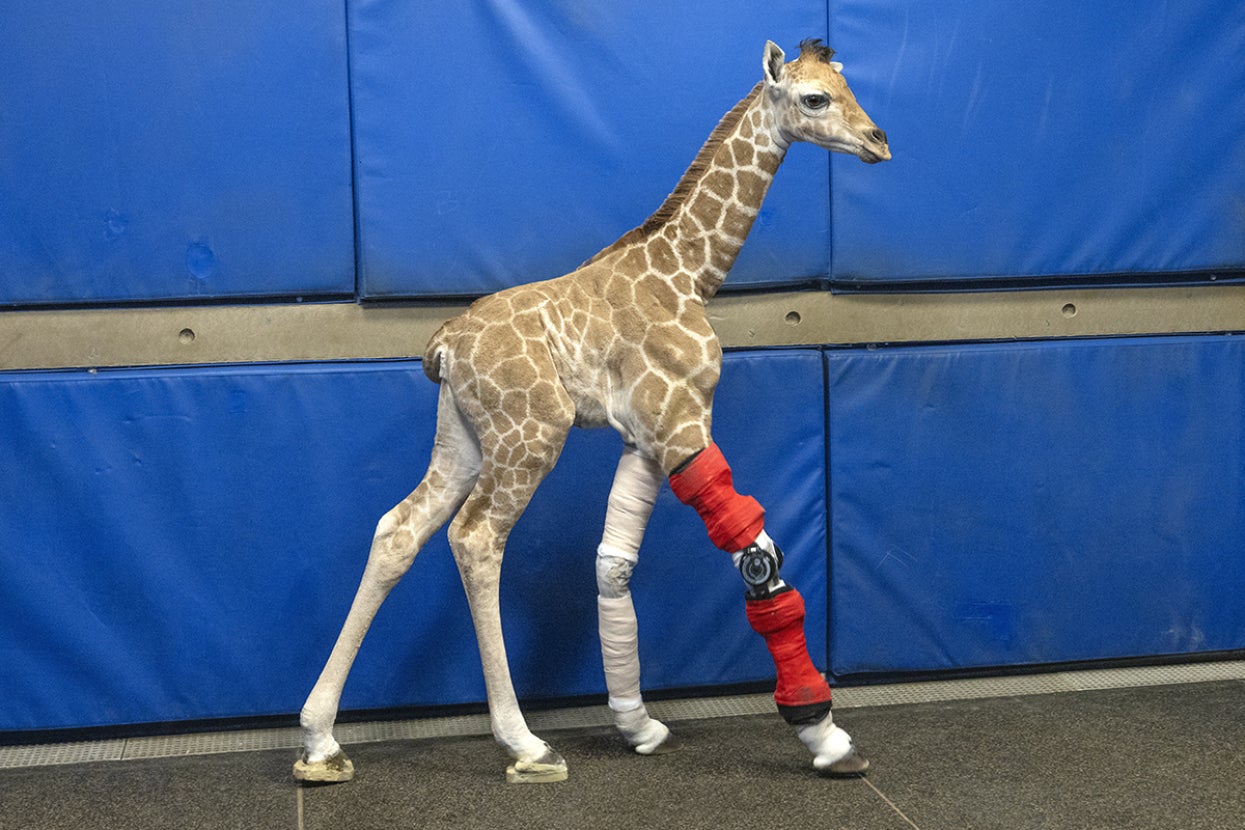
Custom orthotic braces made it possible for Msituni the giraffe to stand tall.
Orthotics, laparoscopy, pulse oximetry: Medicine that’s remarkably human
Some of Harter’s greatest innovations are borrowed from human medicine and are reimagined for wildlife. When giraffe calf Msituni was born with a leg abnormality that made it difficult to stand, our team collaborated with human medical specialists to design custom orthotic braces that corrected her legs so she could run with her herd. That same spirit of innovation led Harter to adapt minimally invasive laparoscopic surgery for wildlife, making abdominal surgeries easier and safer. We also redesigned the human pulse oximeter, which normally clips onto a finger, into a tongue clip that measures blood oxygen during anesthesia, a tool now used by zoo and small-animal hospitals worldwide.
Plasma banking: A freezer full of plasma
A newborn mammal receives immune-boosting antibodies from the first drink of its mother’s milk, but if unable to nurse, a plasma transfusion can immediately supplement the baby’s immune system and protect it from infection—a potentially life-saving intervention. Harter’s clinical laboratory maintains one of the most extensive wildlife plasma banks anywhere, with more than 400 bags from over 85 species stored. This incredible resource allows our team to quickly respond when a vulnerable newborn, or even a sick adult, needs extra immune support. When possible, we also send banked plasma to other zoos in need.
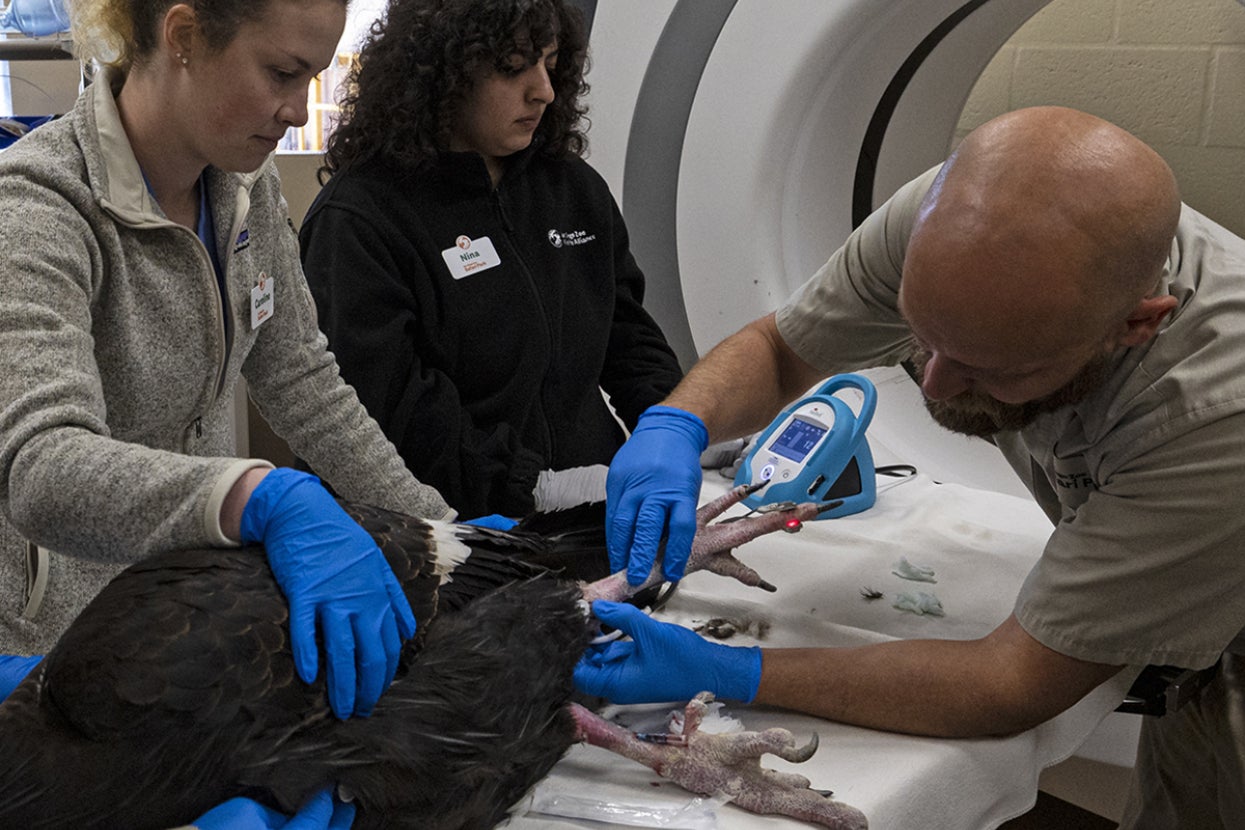
Fellows, residents, and externs learn from the best at Harter.
Career development programs: Training the next generation
Our team prioritizes opportunities to train the next generation of wildlife health professionals. We offer fellowships, residencies, and externships in pathology, veterinary medicine, and nutrition. By 2026, a total of 200 externs and 26 residents in pathology, 300 fourth-year veterinary students, and 23 veterinary residents have trained with our team. Our zoo nutrition fellowship, the only active program of its kind in North America, has trained 25 nutritionists. Trainees go on to make a difference for wildlife at zoos, hospitals, and conservation institutions worldwide.
These highlights are just a few of the many transformative moments that have defined Harter’s first 25 years. Powered by an amazing facility and the expertise and dedication of the people within it, Harter is set to improve the health of wildlife—and save species—for many more years.