




San Diego Zoo Wildlife Alliance is celebrating its 110th birthday on October 2, 2026, and when looking back at its rich history, it’s truly remarkable what our Zoo overcame to become a global leader in wildlife conservation. Considering the economic challenges of the Great Depression and two world wars during the Zoo’s infancy, the founding directors and staff faced major challenges and obstacles. Through perseverance, ingenuity, and sheer determination, they were able to grow the fledgling Zoo into what is now one of the most outstanding and important zoological and conservation organizations in the world.
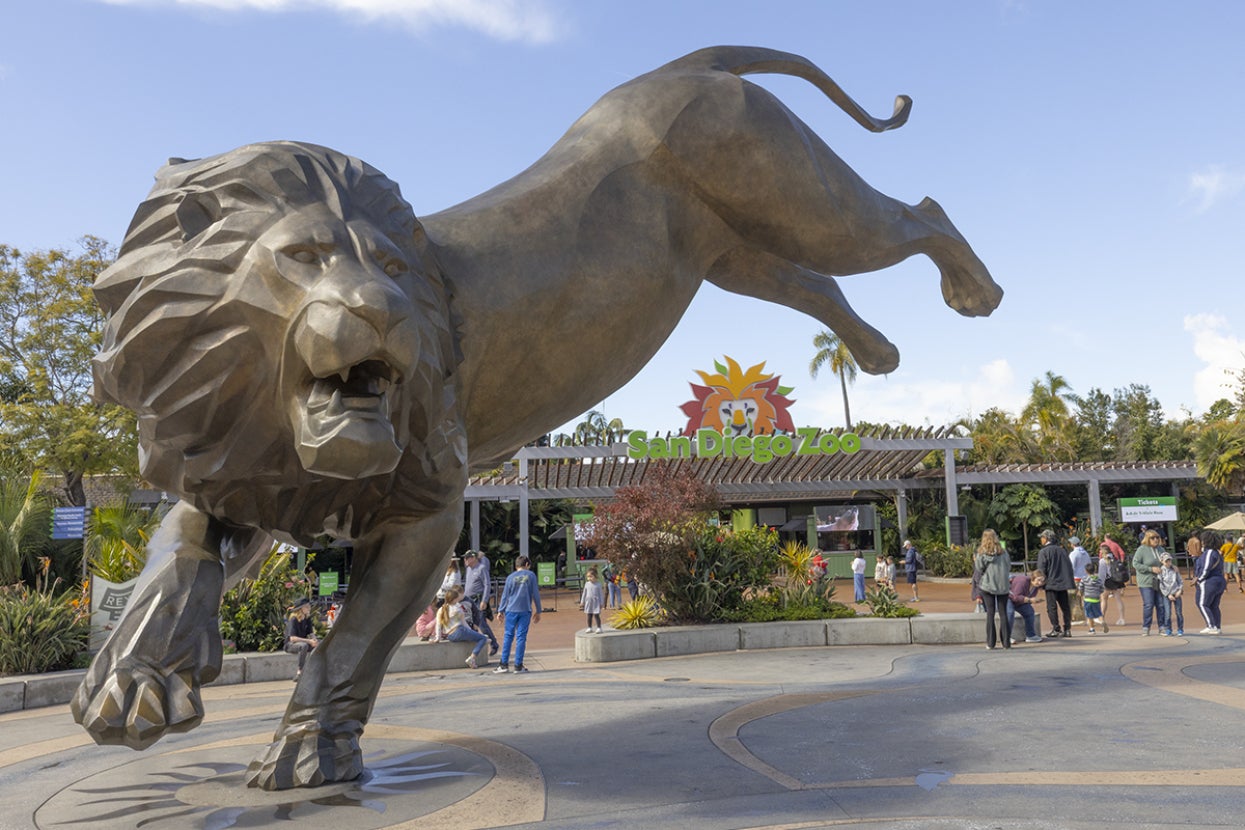
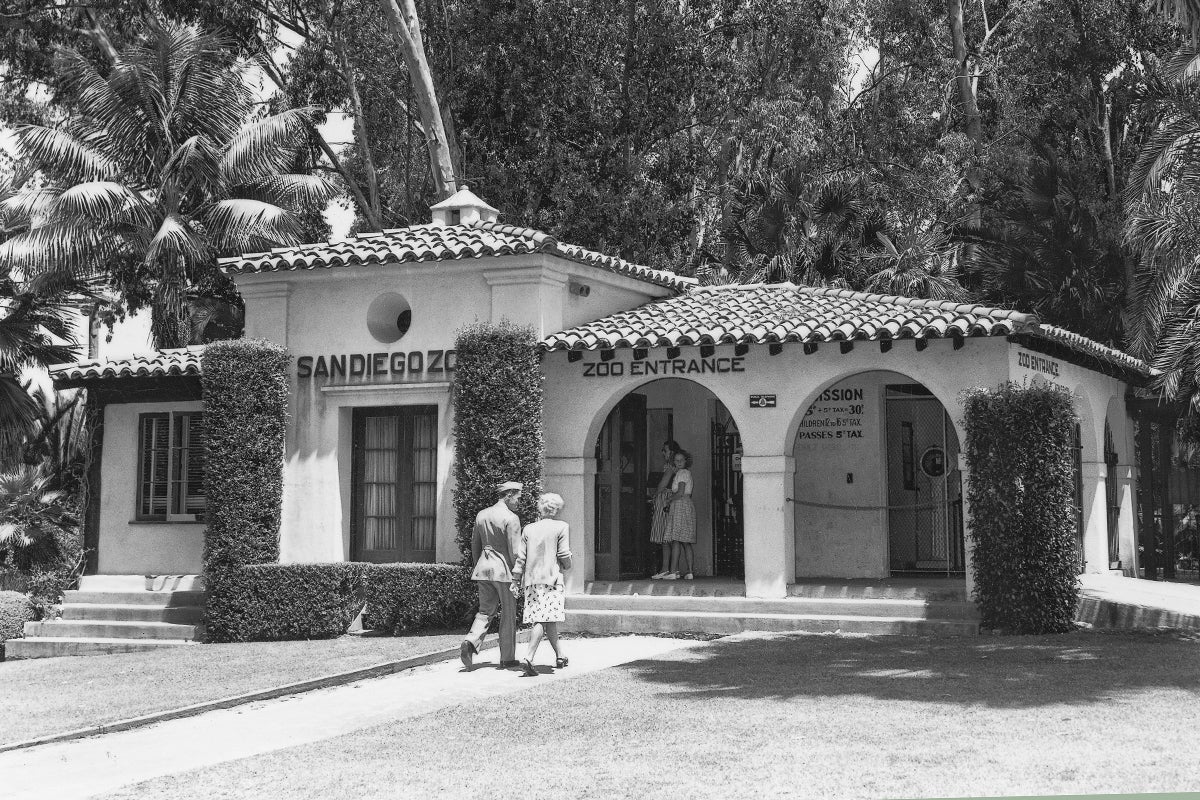
Through the Years: The San Diego Zoo entrance (pictured top and above) has received numerous updates over the decades.
It Began with Roars
When the Panama Canal opened in August 1914, it was considered one of the world’s greatest engineering feats and had a major impact on shipping between the Atlantic and Pacific oceans. At the time, San Diego was a small city with a population of 40,000 and was the first port of call in the United States. To draw attention to the community and help bolster the economy, San Diego hosted the 1915-1916 Panama-California Exposition in Balboa Park. The Exposition featured wildlife such as bears, wolves, bison, lions, coyotes, monkeys, parrots, and other species. On September 26, 1916, local physician Dr. Harry Wegeforth was returning to his downtown office after performing surgery at a nearby hospital. As he drove down Sixth Avenue, he heard the roar of several lions that lived in the cages on Park Boulevard. He famously said to his brother, Paul, "Wouldn’t it be splendid if San Diego had a zoo! You know…I think I’ll start one."
A few days later on October 2, 1916, Dr. Harry, Paul, and several physician and scientist friends met in Dr. Harry’s office as the “Board of Directors of the San Diego Zoological Society” and the San Diego Zoo was born. The Zoo’s first wildlife would be the animals from the Exposition that lived throughout Balboa Park. In 1921, the Balboa Park commissioners gave 140 acres of land that they deemed unusable for anything else to the Zoological Society. The commissioners saw brush-and-cactus covered hills, canyons, and mesas, but Dr. Harry envisioned a zoological garden.
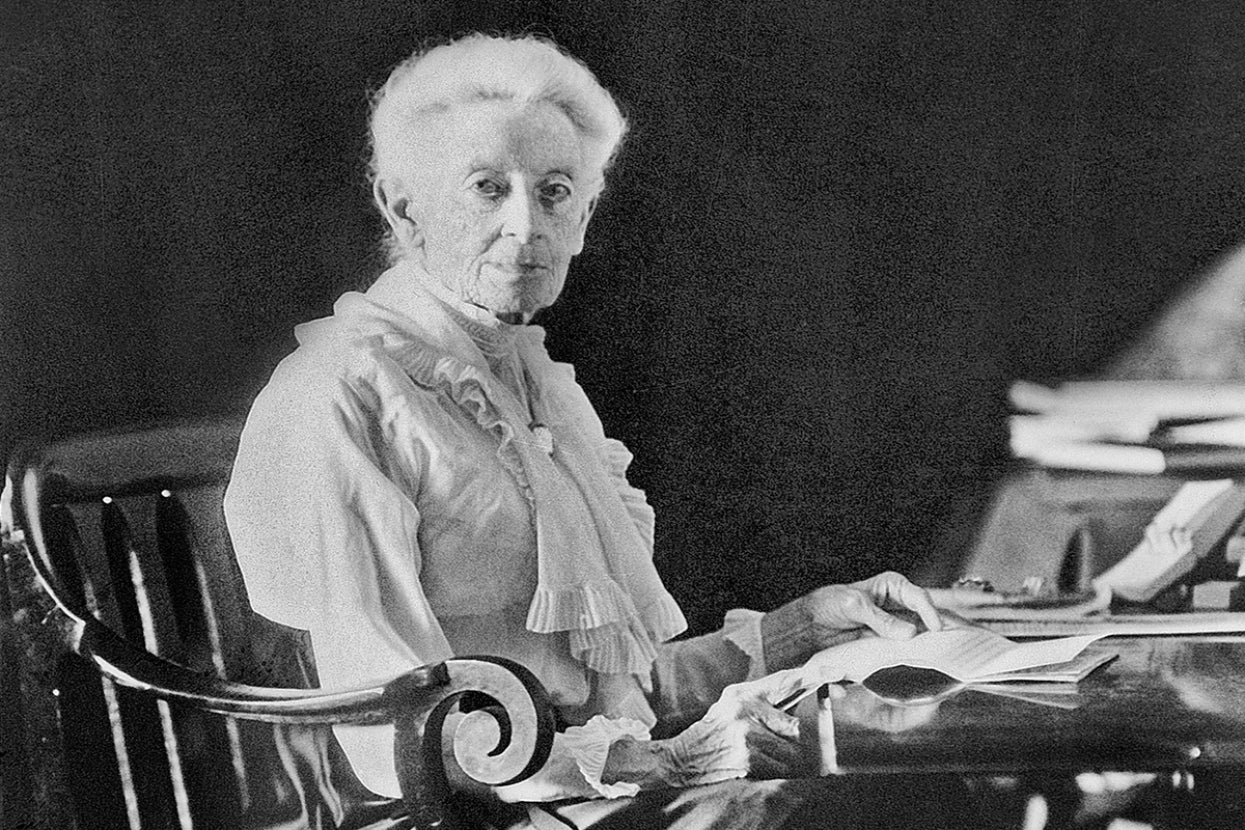
Ellen Browning Scripps was San Diego Zoo Wildlife Alliance's first benefactor.
Philanthropist Ellen Browning Scripps donated $9,000 to build fencing around the Zoo while the wildlife habitats were being built. After the fence was completed in 1923, admission was charged: 10 cents for adults and children were free.
By the mid-1920s, Dr. Harry’s dream of creating a world-class zoo had gone from a source of amusement for some San Diegans to a source of pride for the entire community. Dr. Harry fulfilled many roles. He was manager, promoter, planner, financial advisor, and, much of the time in the early days, he was the sole support. He raised all the private funds with which the Zoo was built. He visualized and planned all its unique features. He traveled at his own expense all over the world, bringing back ideas not only from zoos, but from parks and native habitats; as well as from conversations with experts in their native countries. He made connections which enabled the Zoological Society to receive wildlife for the Zoo. And it was through his interest in the relationship between wildlife diseases and his own experience in human medicine that our zoological hospital was planned and built.
Leaders with Vision
In addition to Dr. Harry, there were other dedicated leaders over the years who have played major roles in moving the San Diego Zoo forward, upward, and into the future. Dr. Harry hired Belle Benchley as a temporary bookkeeper in 1925 but by 1926, he asked her to run the Zoo. Belle became the first female zoo director in the world and worked closely with Dr. Harry to grow and transform the Zoo. She skillfully guided the Zoological Society through the hardships of the Great Depression and the turmoil of World War II and the Korean War. Under Belle’s leadership, the San Diego Zoo not only survived but thrived. She was a trailblazer in wildlife conservation, care, and behavior; community outreach, science, and education. Gorillas, giraffes, and many other species were introduced at the Zoo under Belle’s watch.
After Dr. Harry’s death in 1941, Belle continued to run the Zoo until she retired in 1953. Then, she played a role in convincing the board to hire Dr. Charles Schroeder, a former San Diego Zoo veterinarian and confidante of Belle’s, as executive director. She told Dr. Schroeder about her idea to create an open-range zoo in San Diego’s back country where endangered species could breed, and Dr. Schroeder took it from there.
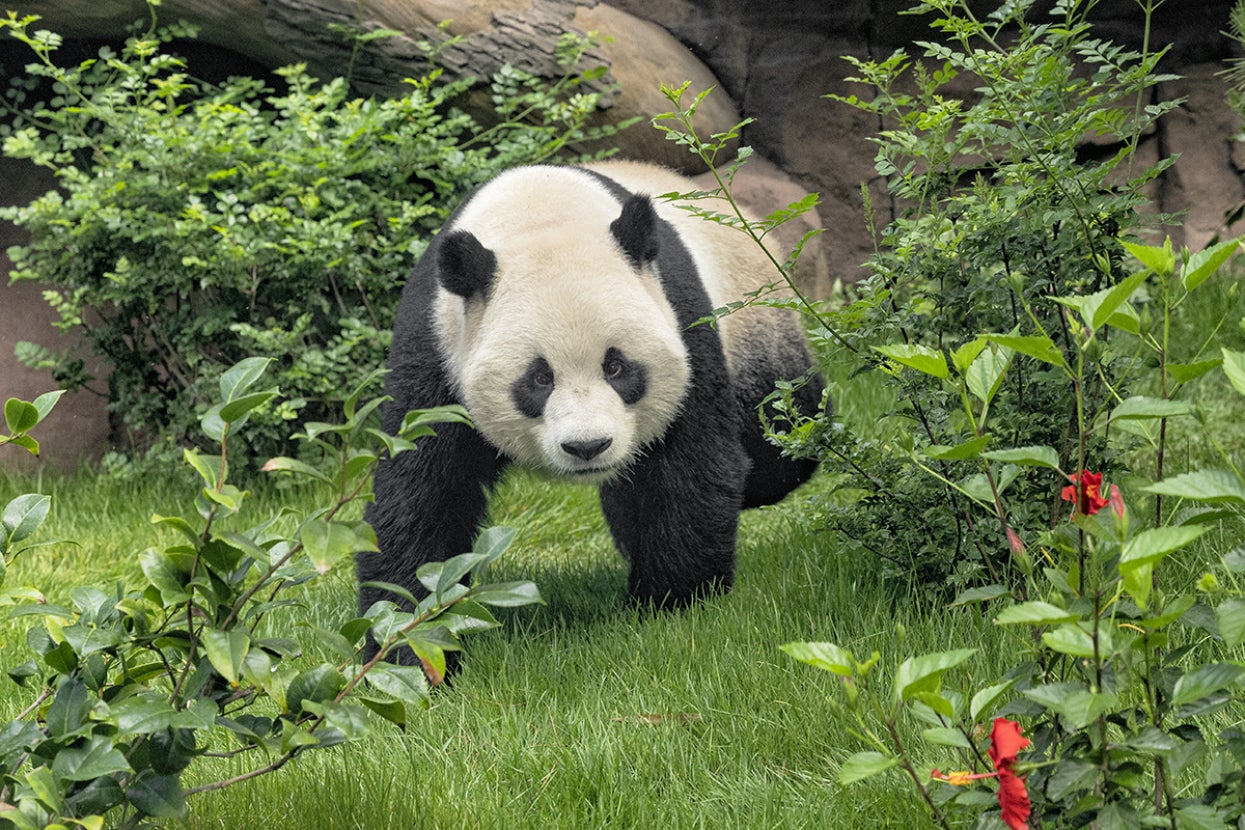
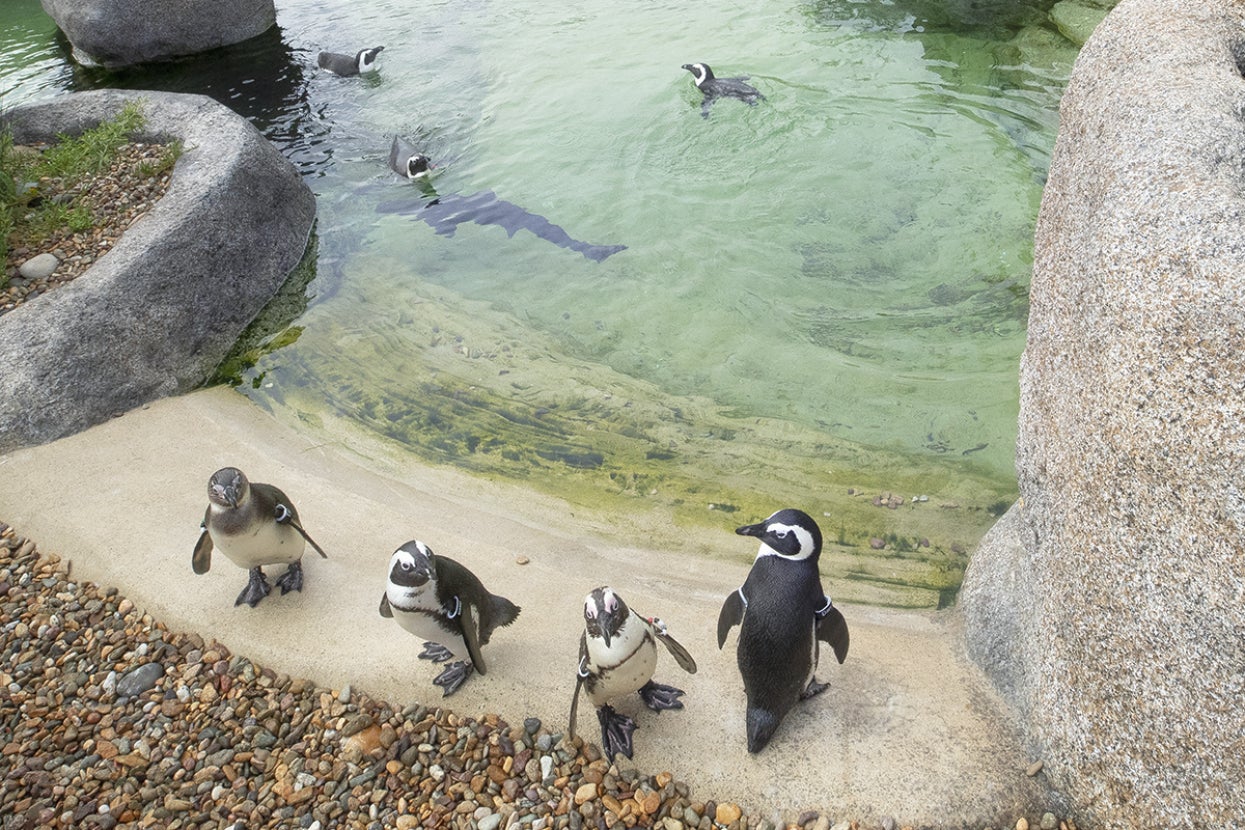
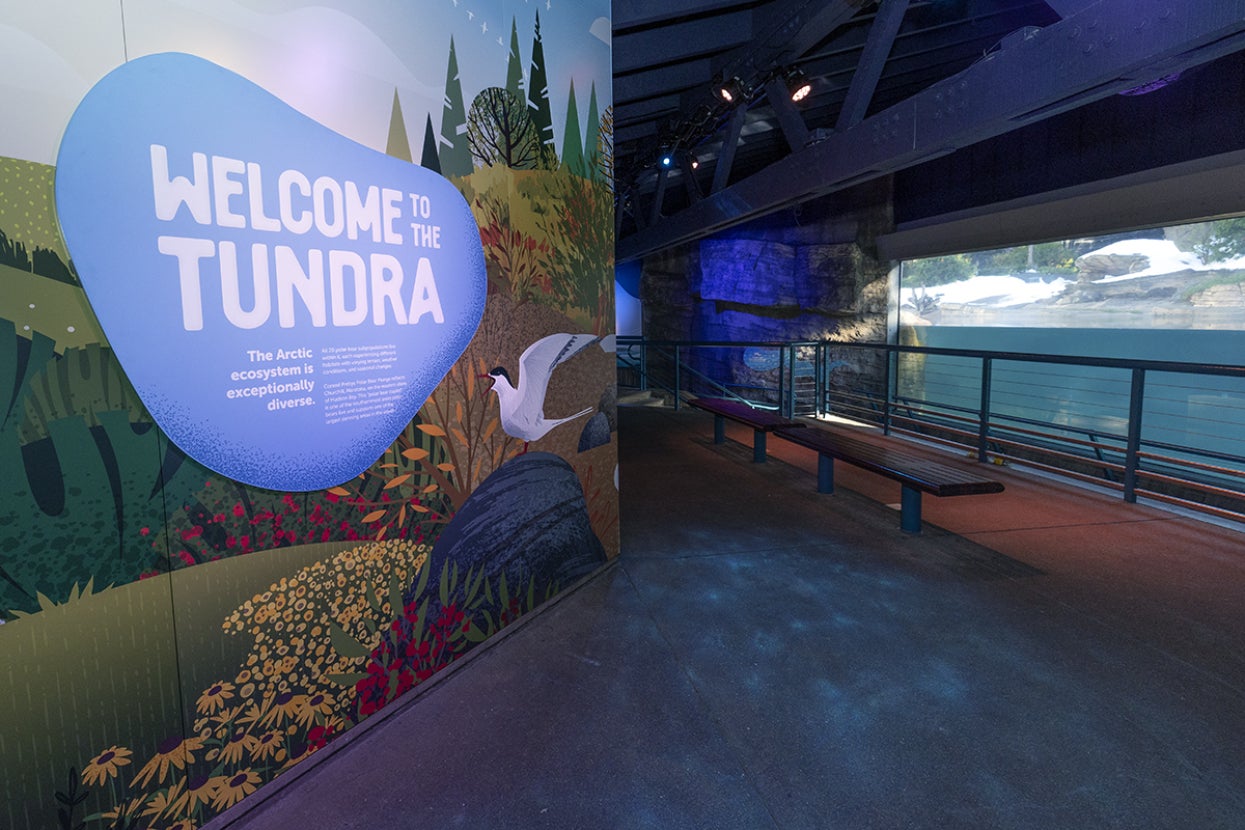
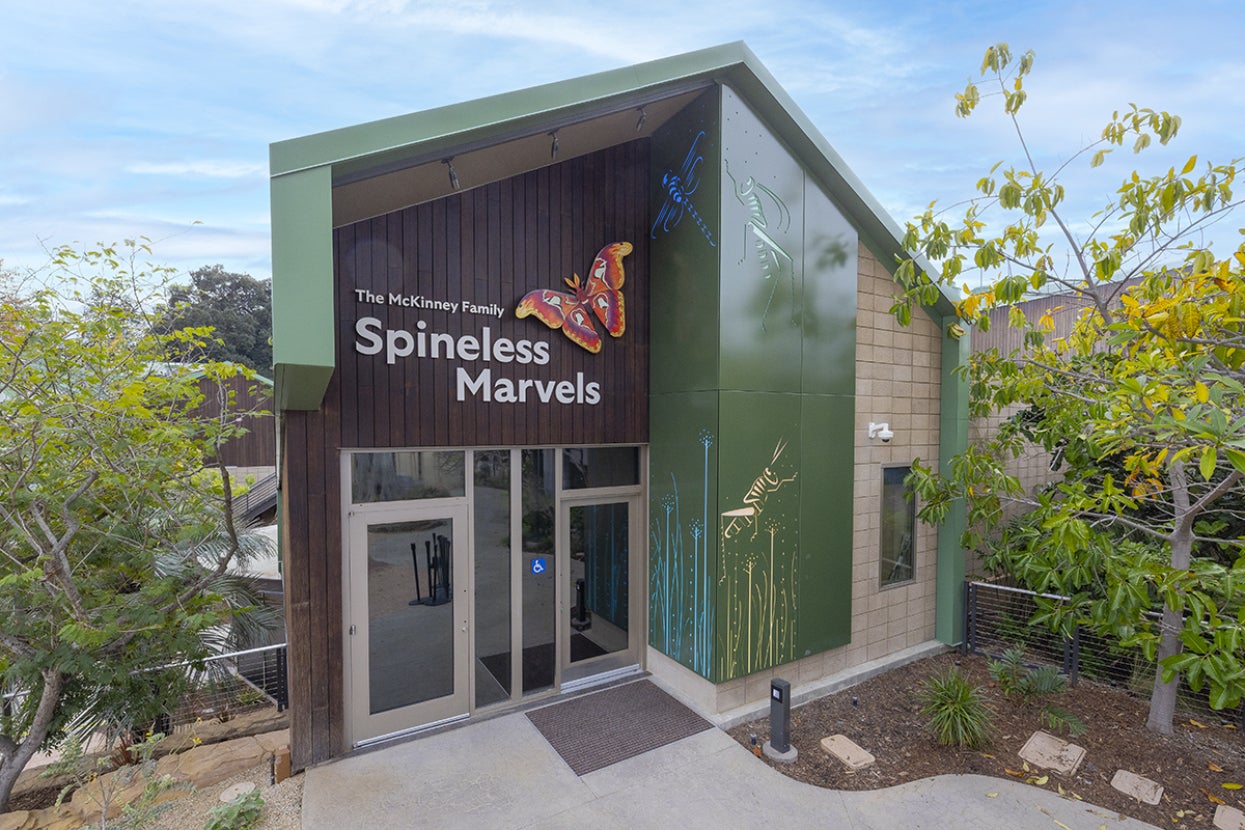
With more than a century’s worth of expertise, collaboration, community dedication, and tenacity, San Diego Zoo Wildlife Alliance is a leader in the development of state-of-the-art habitats for a vast array of wildlife species.
Championing Growth
Dr. Schroeder worked tirelessly for eight years to convince the Zoo’s board of trustees to pass a resolution, enabling him to build the San Diego Zoo Safari Park (then known as the San Diego Wild Animal Park). He created the concept for the Park, found the land in the San Pasqual Valley, and did a feasibility study with the Stanford Research Institute. Charles “Chuck” Bieler, who became the executive director in 1973 and later played a major role in the Alliance’s fundraising efforts, steered the San Diego Zoo and Safari Park through unprecedented challenges during tough economic times. He championed science and research, which resulted in the founding of the Center for Reproduction of Endangered Species (CRES). He also gave his staff full rein to catapult the Zoo into the forefront of California condor conservation efforts. Chuck built connections with the local community and cemented relationships with philanthropists, who donated millions of dollars to the Zoological Society. He also cultivated international partnerships that ultimately brought koalas, giant pandas, and other precious wildlife to San Diego.
While Chuck focused on philanthropy, Douglas G. Myers succeeded him as Society director in 1985. Doug deepened the organization’s worldwide conservation commitment. Through teamwork and strategic planning, he advocated working toward an audacious goal: ending extinction. Doug and his team also transformed the Zoo and Safari Park by creating innovative Zoo habitats like the Harry and Grace Steele Elephant Odyssey, Conrad Prebys Africa Rocks, Polar Bear Plunge, and Australian Outback; and Walkabout Australia, Heart of Africa, Lion Camp, Tull Family Tiger Trail, and Condor Ridge at the Safari Park. The Arnold and Mabel Beckman Center for Conservation Research, which has become an international conservation hub, was built during Doug’s tenure and the Paul Harter Veterinary Medical Center, the world’s most modern veterinary hospital, opened at the Safari Park. Giant pandas also debuted at the Zoo for the first time in 1987–1988 and later in 1996, which resulted in the birth of Hua Mei, North America’s first surviving giant panda cub.
And now, as San Diego Zoo Wildlife Alliance celebrates its 110th birthday, President and CEO Shawn Dixon is leading the organization into the next chapter of our history and shaping our future. The opening of Denny Sanford Elephant Valley at the Safari Park is just the beginning of Shawn’s plans to create new habitats for wildlife at both the Zoo and Park; as well as expand our international conservation efforts in our Conservation Hubs and beyond. Under Shawn’s leadership and his emphasis on teamwork across all areas of the organization, the next 110 years are on a path to fulfill San Diego Zoo Wildlife Alliance’s aspirational vision: a world where all life thrives.