



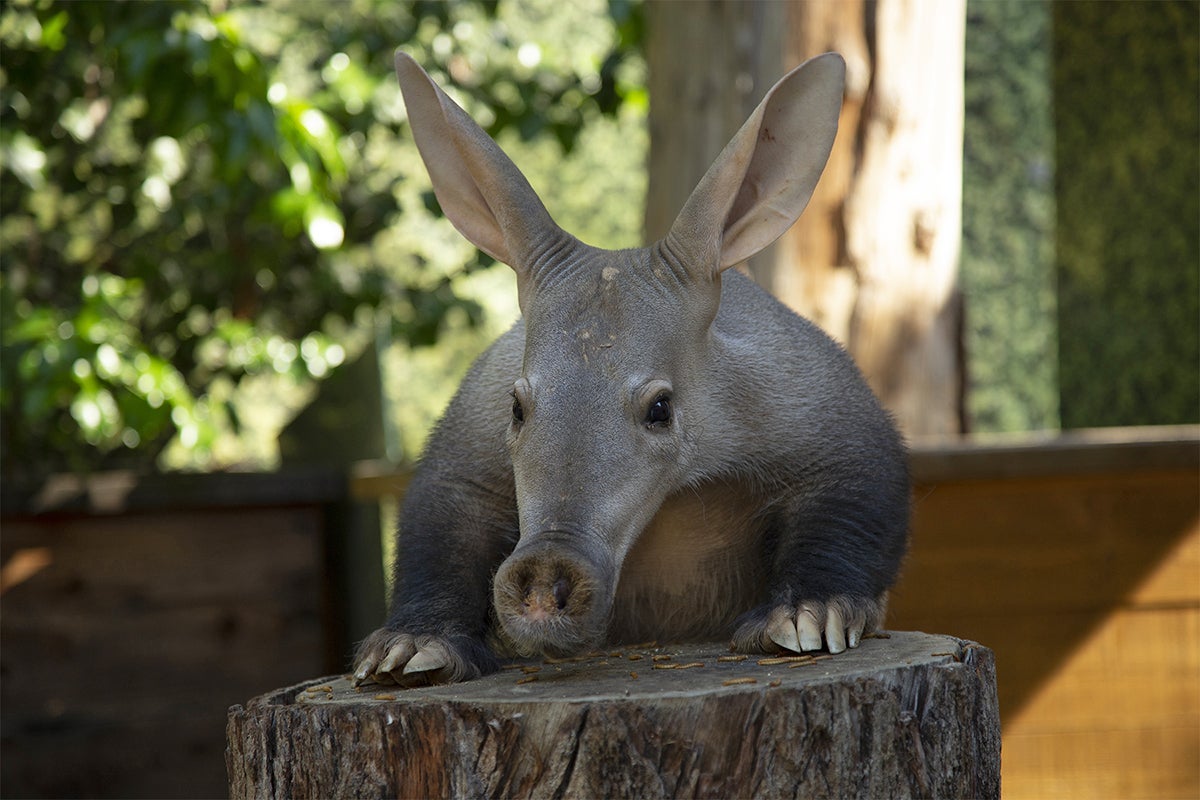

Aardvark young are seemingly born as a miniature of their mothers. When a little one first arrives into the world, it already possesses long, slender ears and an equally long, slender snout. It’s also equipped with claws perfect for digging.
With eyes wide open, the aardvark is ready to adapt to new surroundings, and gains a lot of knowledge by observing its mother right from the start. When a little one is two weeks old, it keeps close by mom’s side as they look for food as a team. About six months later, it begins digging its own burrows, just as shown.
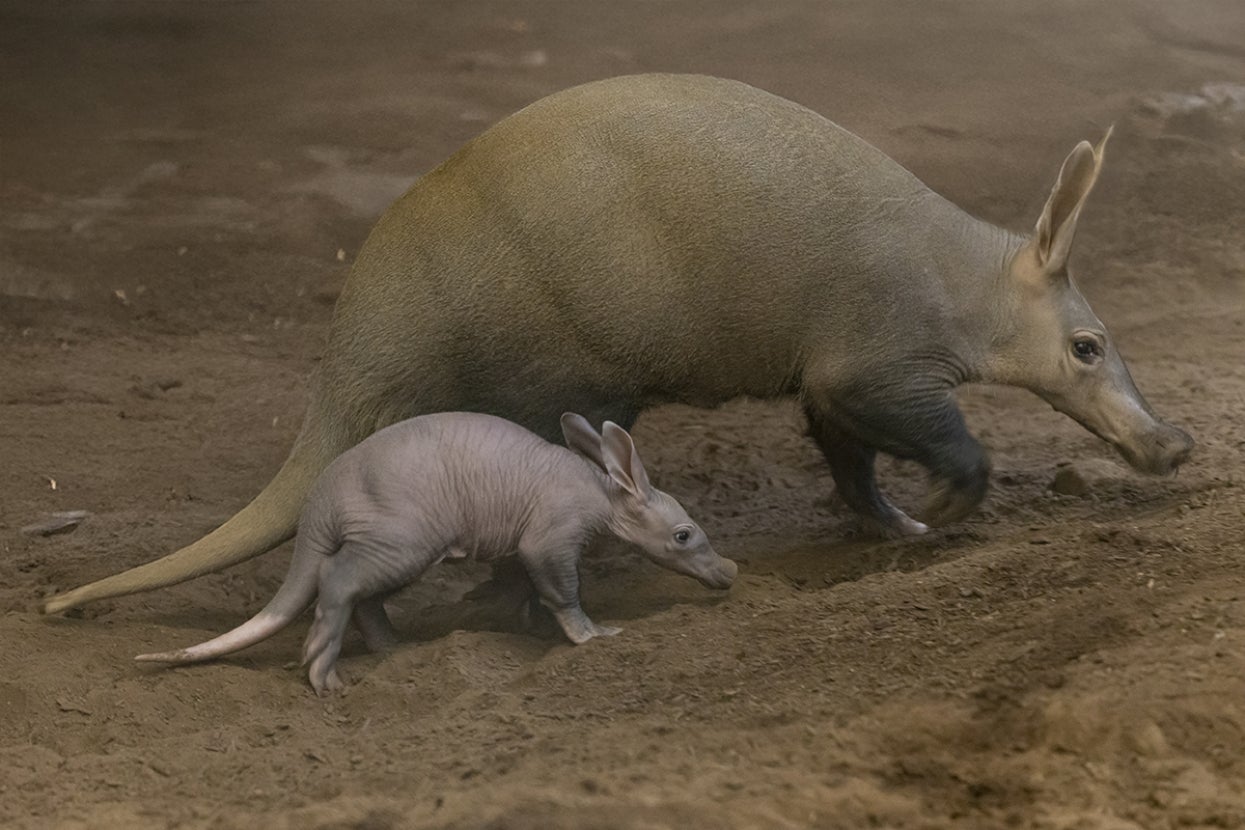
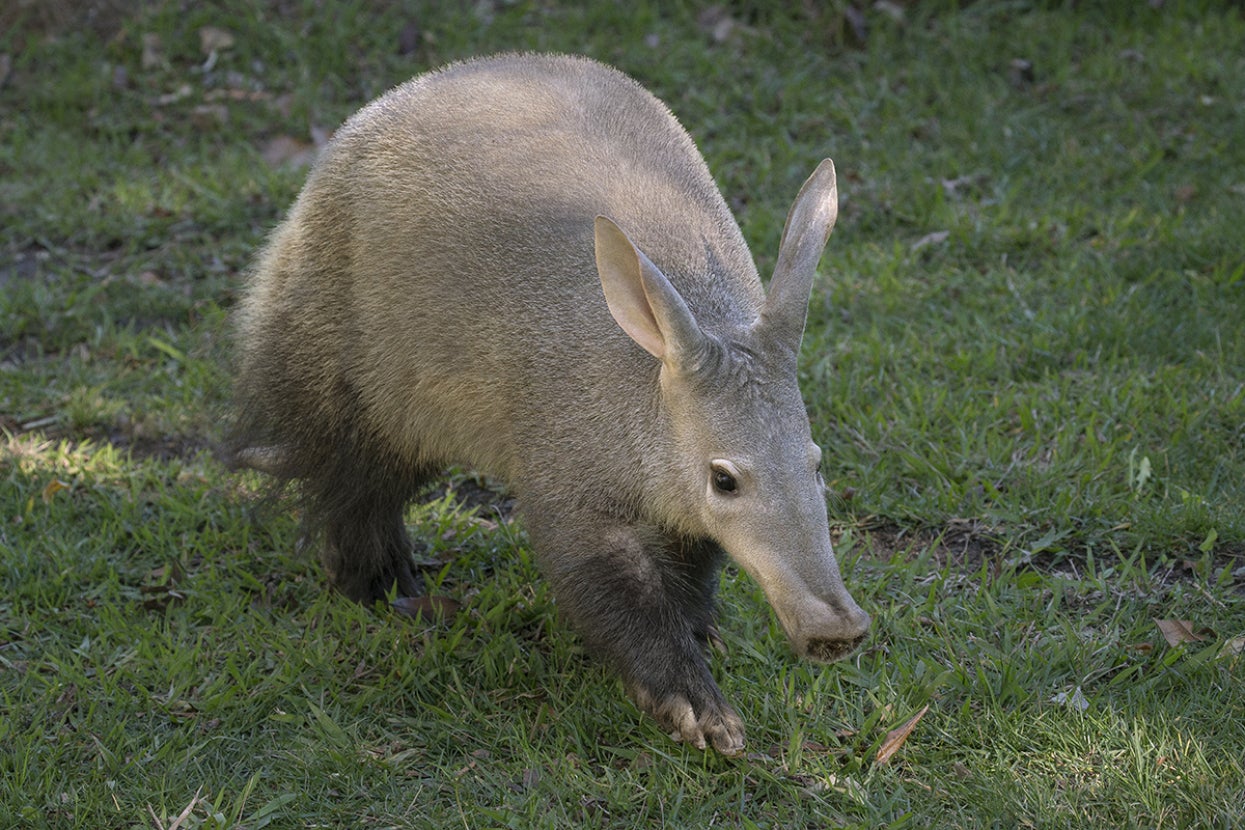
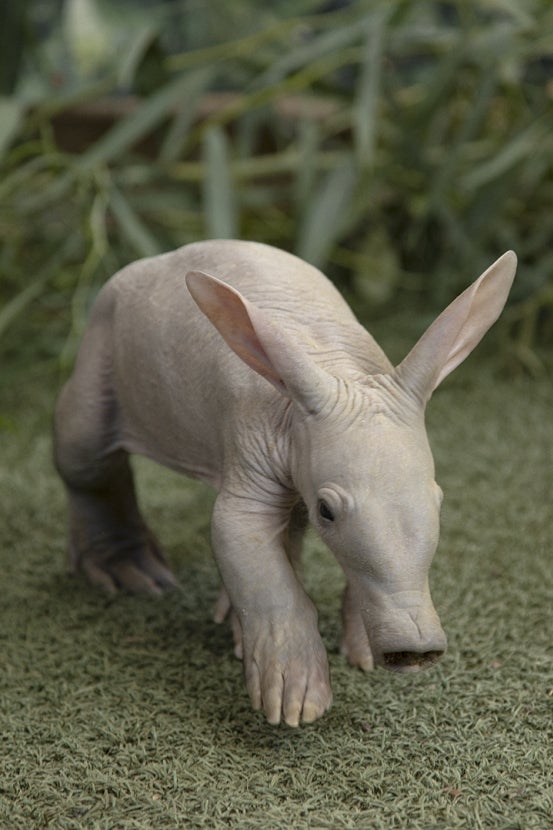
Similar to how a young aardvark gains knowledge from its mother, experts at San Diego Zoo Wildlife Alliance are learning from adult aardvarks to better understand the species’ pregnancies.
Lots to Learn
While experts have been able to learn the ways aardvark moms interact with their young, there’s less information available about the species’ pregnancies.
However, it’s important we understand this critical phenomenon as hunting and habitat loss threatens the future of aardvark populations throughout their African savanna and forest landscapes.
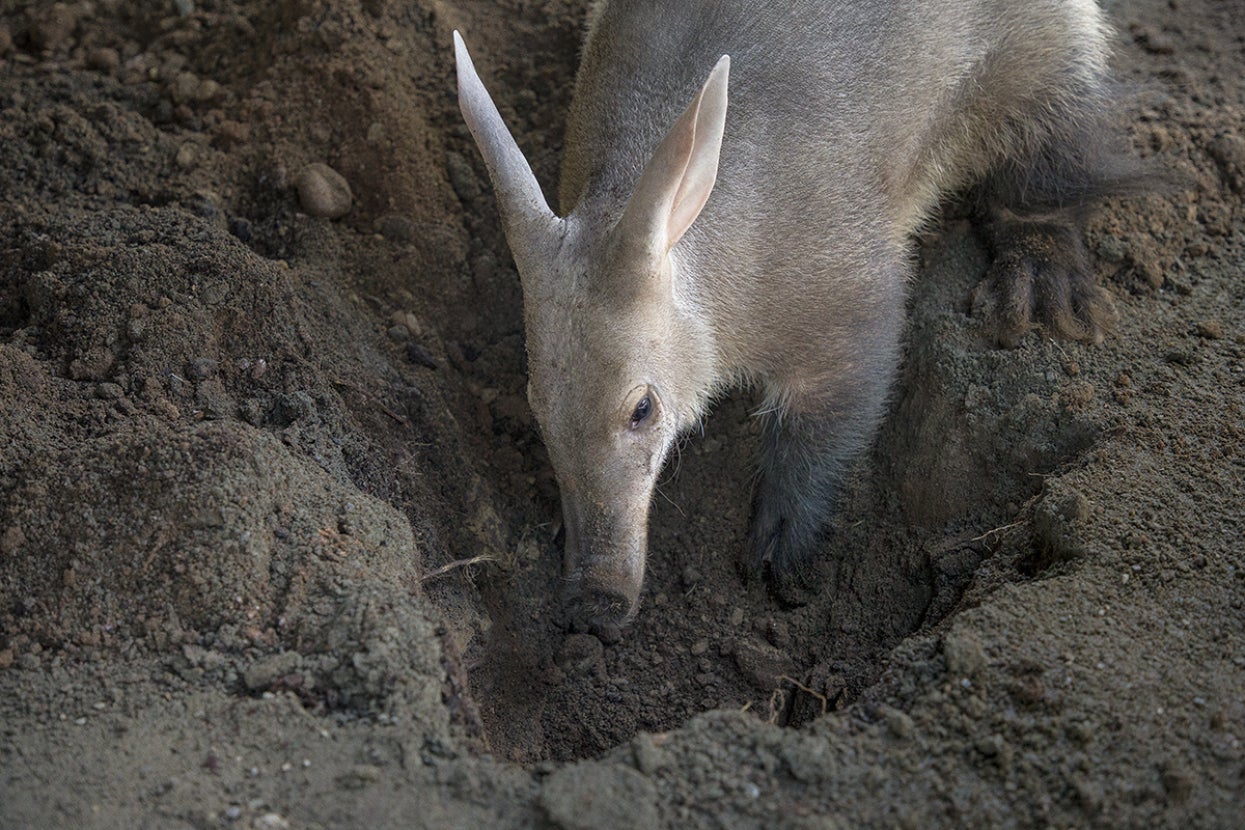
One way aardvarks influence their environments is by creating burrows that can eventually be used by other wildlife.
They Can Dig It
Aardvarks are also essential to the health of these environments. As a keystone species, they have a significant influence on the ecosystems they inhabit, and consequently the other wildlife that inhabit those spaces too. For example, wildlife can use an abandoned burrow as shelter after an aardvark is done with it. If aardvarks were to disappear, these wildlife might not have access to such a necessary resource.
Therefore, it’s imperative we gather information that can contribute to the conservation efforts of this vital species.
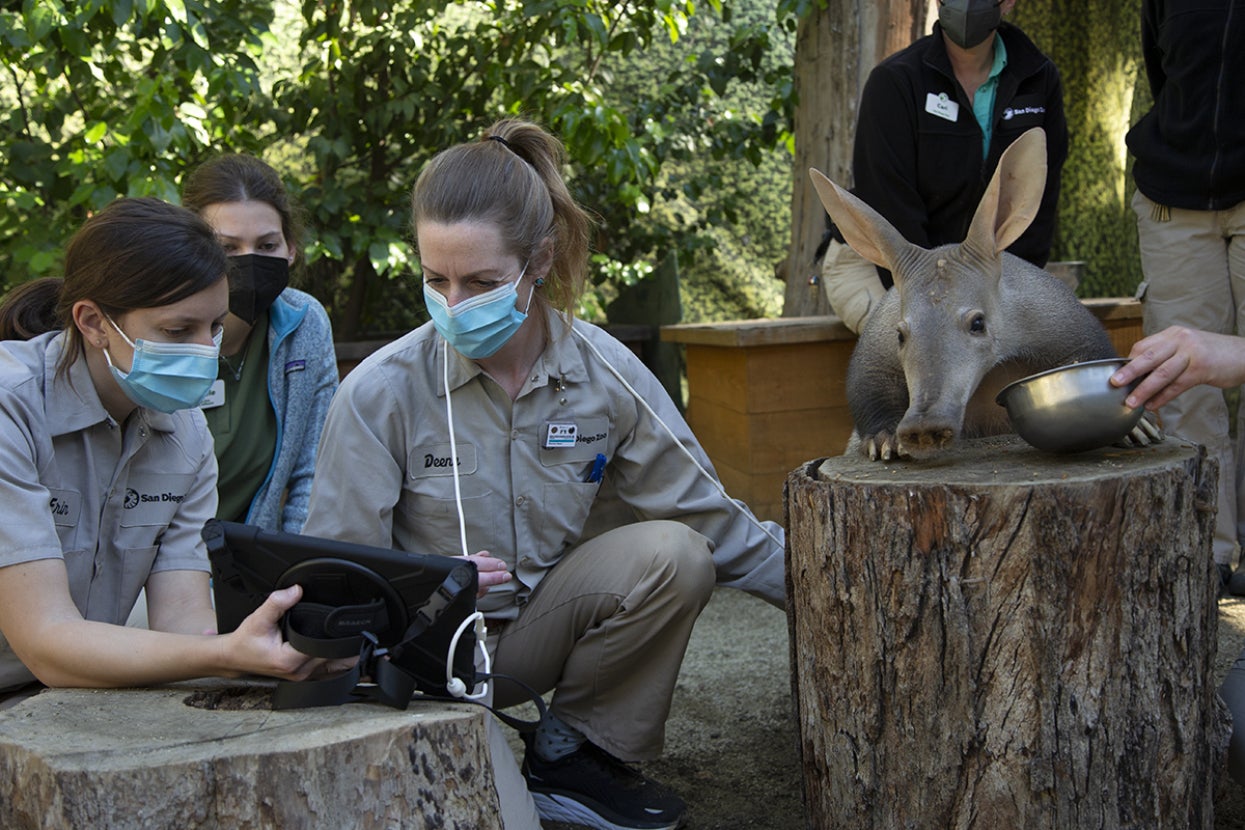
Experts utilized transabdominal ultrasound technology, like shown above, to learn about reproductive physiology in aardvarks.
Getting Answers
Experienced teams across the San Diego Zoo and San Diego Zoo Safari Park took matters into their own hands with their recently published paper in Theriogenology Wild. In the publication, we examined reproductive physiology in aardvarks and were able to confirm the length of the species’ gestation (between 213 and 258 days). We also, for the very first time, described nursing behavior, ovulation during lactation, estrous cycle length, and how to diagnose pregnancy.
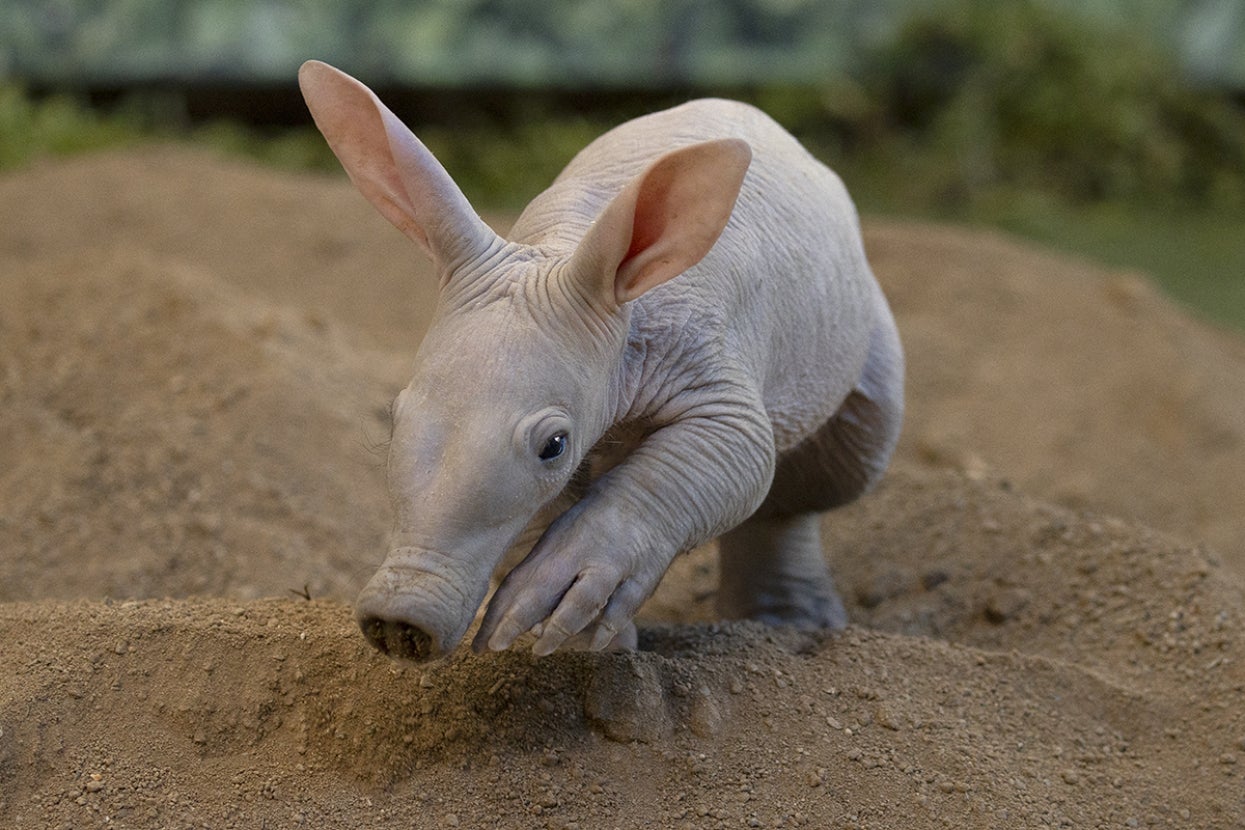
From gestation to how a little aardvark interacts with its mother, information we gather helps us protect the species into the future.
Going Forward
This data will help us and other collaborators fill in knowledge gaps surrounding the species, therefore encouraging the success of aardvark reproduction. With this information, we can advance collective conservation efforts and ensure little aardvarks continue learning from their moms one generation after another.
Your support makes groundbreaking discoveries possible. Thanks to allies like you, we can save, protect, and care for wildlife all around the world, including aardvarks living within African forest and savanna ecosystems.