




Hours away from any civilization, trekking through dense forest is as difficult as it might seem. On top of that, days and days spent conducting field research is exhausting, and specific results aren’t promised. Now, advancing technology is transforming how trail cameras analyze data in hard-to-reach ecosystems.
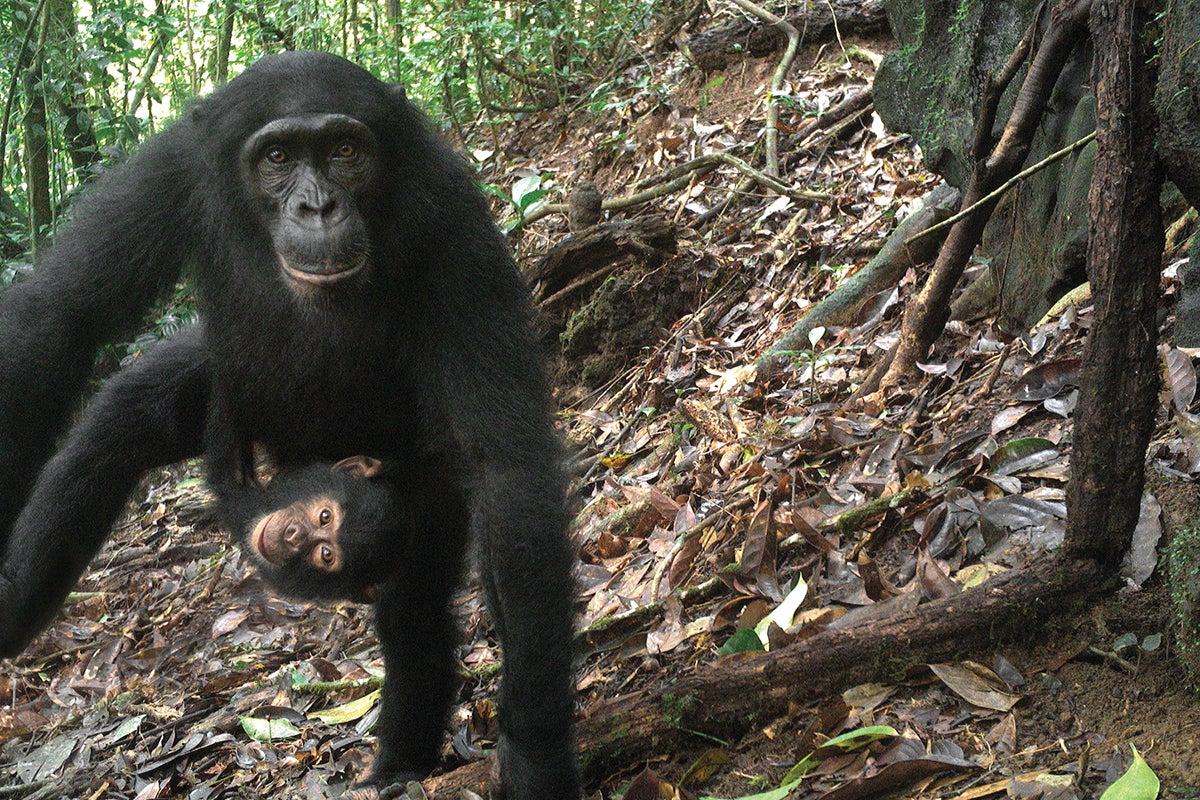
Across our Conservation Hubs, millions and millions of images and videos are taken of vulnerable and endangered wildlife. This raises the question: how is this massive amount of information being used to help save and protect them?
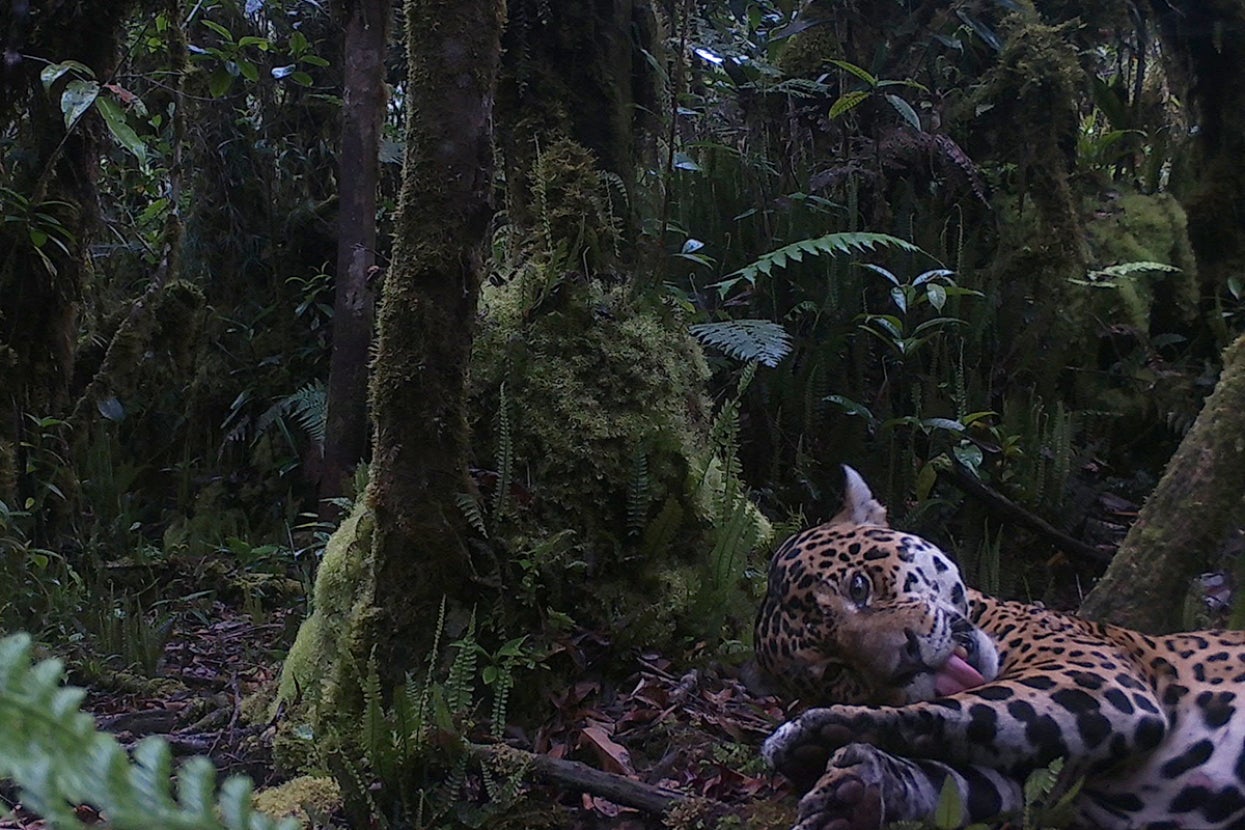
Jaguars are one of the species that trail cameras in our Amazonia Conservation Hub record. | Photo Credit: San Diego Zoo Wildlife Alliance - Perú
The 411 on AniML
The Conservation Technology Lab at San Diego Zoo Wildlife Alliance has an answer to sorting trail camera data. They’re using artificial intelligence (AI) and machine learning (ML) to classify and analyze images at lightning speed—something that would take people years and years to do.
One software package the Conservation Tech Lab uses is AniML, which uses a variety of machine learning tools to analyze ecological data. This program accelerates data labeling up to nine times, turning raw images from trail cameras into meaningful conservation insights quicker than ever.
AniML has been instrumental in conducting successful population and related studies in multiple Conservation Hubs, including our Amazonia Conservation Hub, Savanna Conservation Hub, Asia Conservation Hub, and right here in our Southwest Conservation Hub. Plus, the Tech Lab is working on rolling it out to our African Forest Conservation Hub next.
The Tech Lab team trains different ML models for each region to accommodate the range of species that live in those ecosystems. The program needs to efficiently and effectively tell the difference between thousands of species through images and video. And the software couldn’t do that without the experts behind the program.
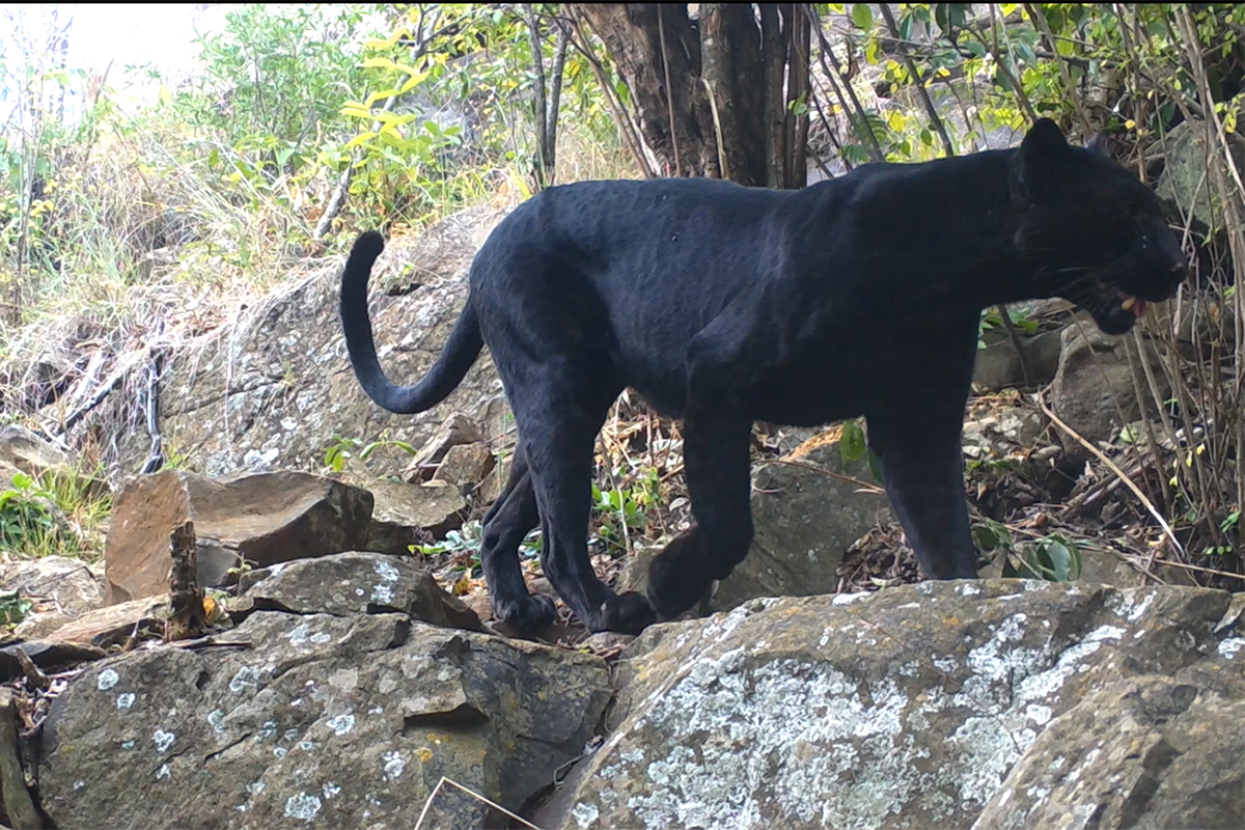
Tools like AniML are crucial to processing data from a large-scale trail camera population survey of African leopards.
Surveying the Savanna
African leopards are the epitome of stealth. Common methods to survey populations, such as aerial and driving surveys, aren’t effective due to leopards’ elusive nature. With our partners, we deployed a large-scale trail camera assessment, utilizing 150 trail cameras set up over 1,000 kilometers in central Kenya.
This survey is a huge leap forward towards understanding the conservation status of these big cats, and tools like AniML are crucial to process the data. On the International Union for the Conservation of Nature’s Red List of Threatened Species, leopards are listed under “least concern.” But the true estimate of their population is unknown. Conservationists suspect there’s more to the picture than we currently know. The assessment will enable the inclusion of leopards in Kenya’s National Wildlife Census for the first time, providing a foundation for national population estimates.
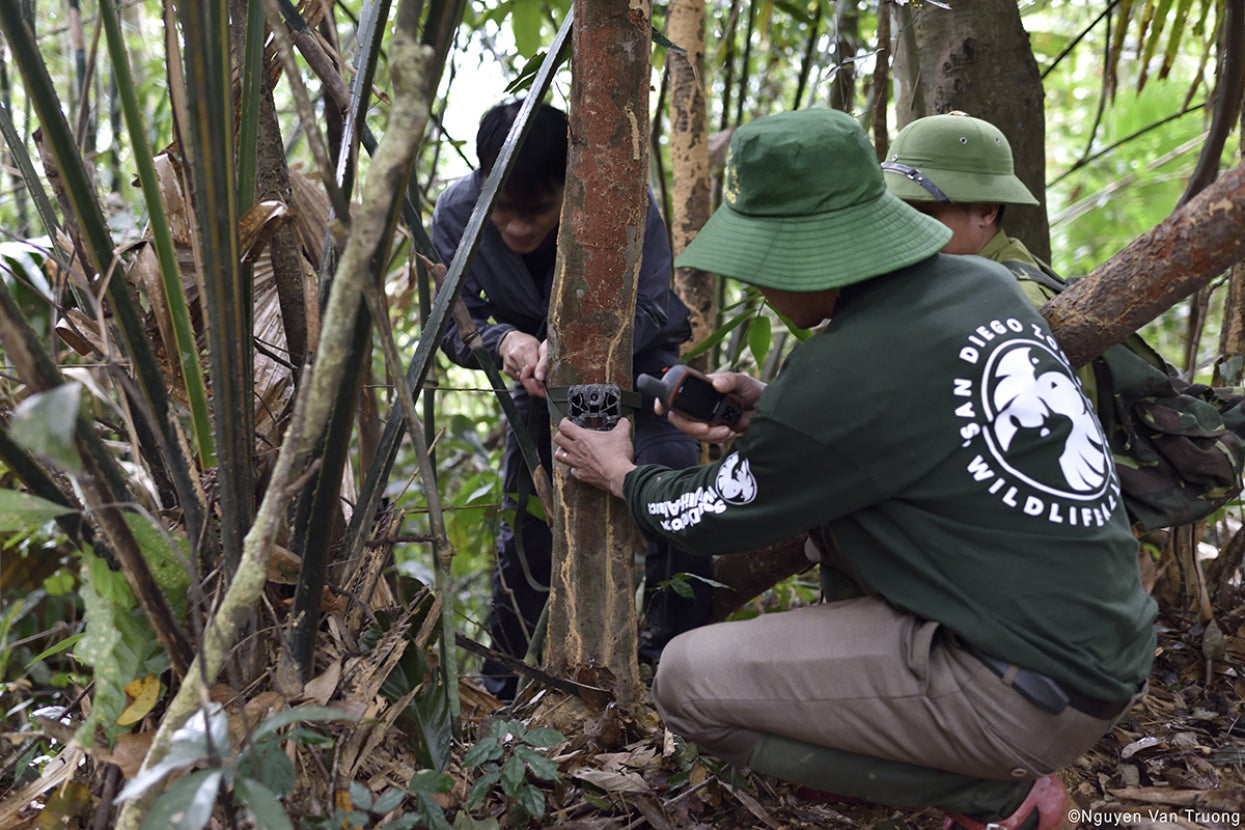
Team members situating a trail camera in Vietnam’s Vu Quang National Park to gather critical insights. | Photo Credit: Truong Van Nguyen / San Diego Zoo Wildlife Alliance
Rain Delay
Let’s look at another application through our Asia Conservation Hub. Vietnam’s Vu Quang National Park is home to key endangered species, including giant muntjac, the Annamite striped rabbit, various primates, and Asian elephants. It’s also data deficient. With our partners, we launched a trail camera survey to better understand species behavior, population, and distribution. Despite typhoons and heavy rains, the cameras still collected over 300,000 images. Now it’s time for the fun part… processing the data using AI tools and determining sustainable conservation solutions.
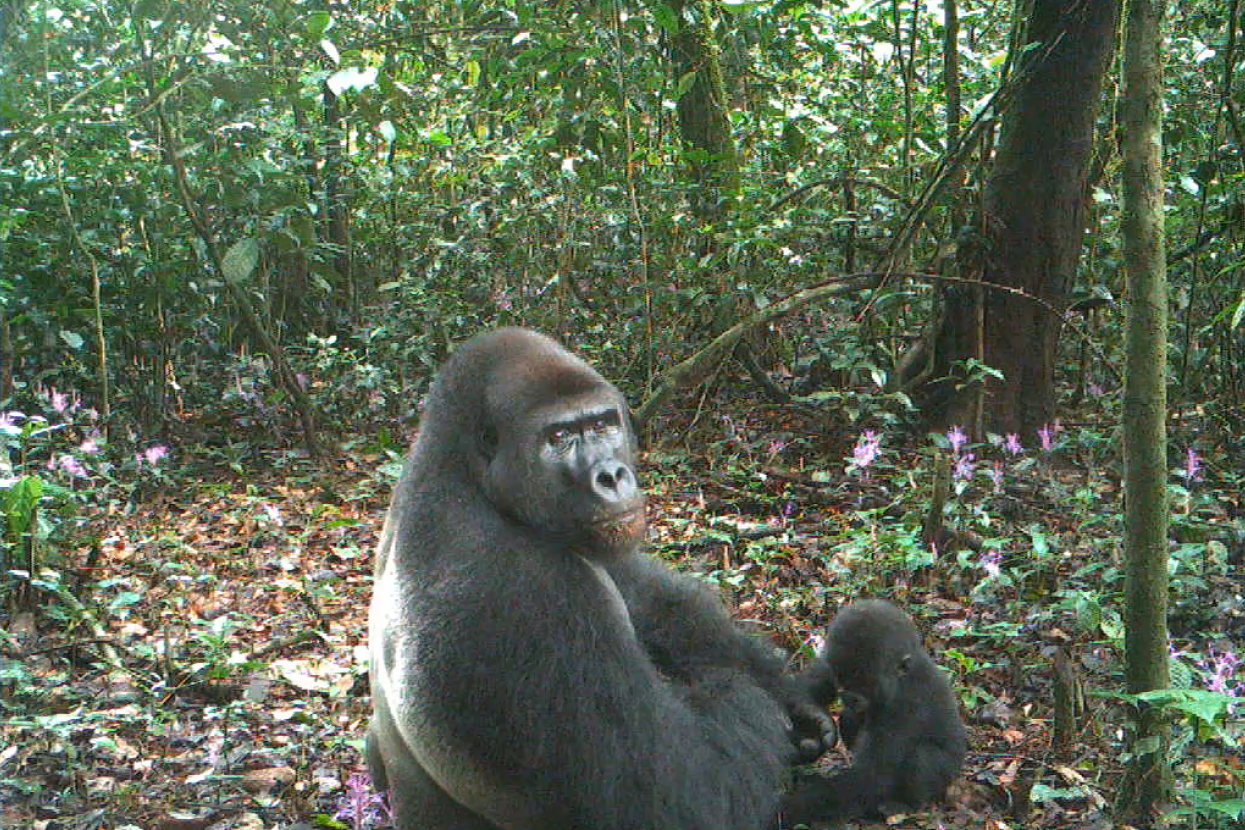
Cameroon's Ebo forest is home to endangered gorillas.
Into the African Forest
Although the tools are still being deployed, pairing trail cameras and acoustic recorders in Cameroon’s Mbam and Djerem National Park is pivotal for protecting wildlife throughout this biodiversity hotspot. In addition to significantly boosting our understanding of the diversity and abundance of wildlife inhabiting this landscape, the high-quality vocalizations gathered by the recorders will further fine tune training data.
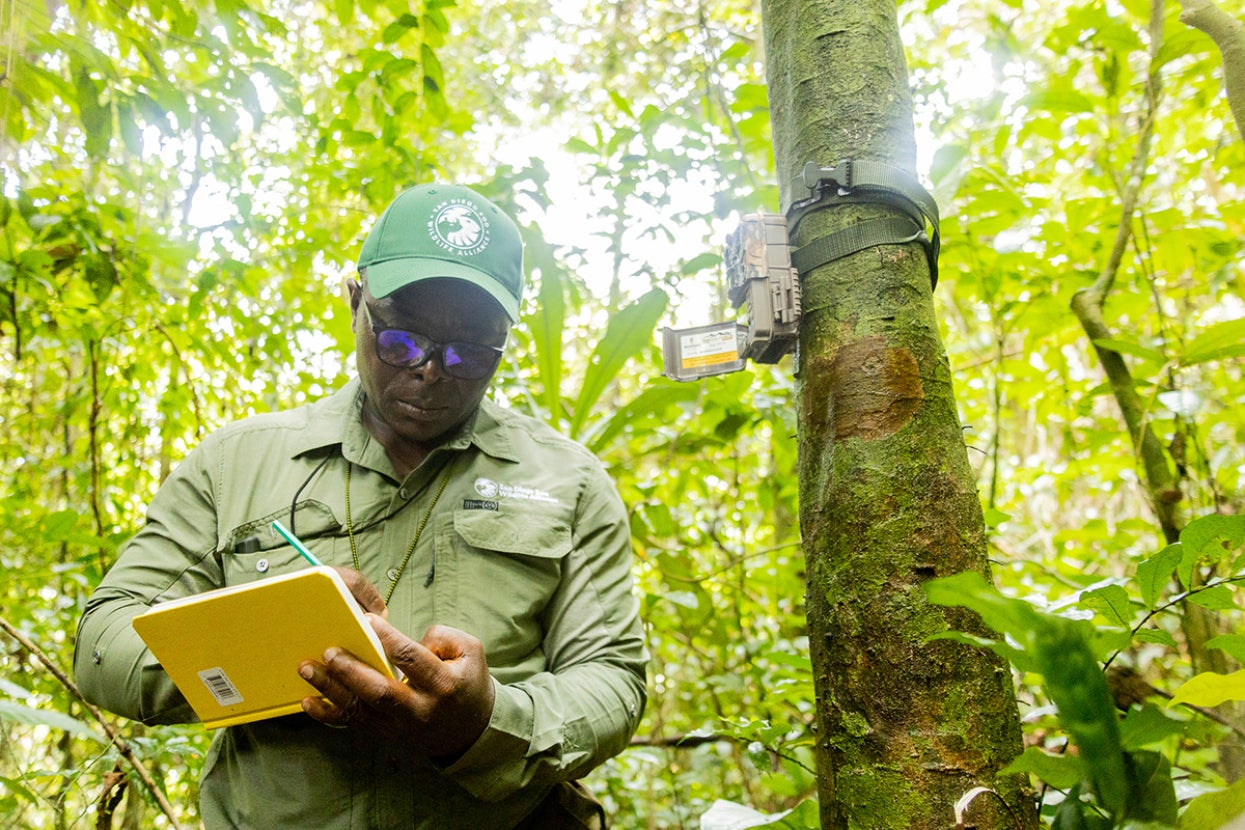
Acoustic records will gather high-quality vocalizations, helping us understand the species living in Cameroon’s Mbam and Djerem National Park and Ebo forest. | Photo Credit: TUSK
Since we aren’t always able to record images and videos of elusive wildlife, this acoustic tool will transform species identification. Another rich, intact forest in the region, Ebo forest, will also benefit from this. Both forests are home to similar species. Utilizing this technology across the African Forest Conservation Hub gets to the heart of the lab’s work of creating scalable tools. The needs of every ecosystem aren’t the same, so it’s important that they can adapt to different environments.
On Top of the World
There are more trail camera developments beyond AniML. Situating trail cameras throughout remote forests is challenging enough. Now imagine placing them in some of the most remote places with the harshest conditions on Earth: the Arctic. This icy landscape is also home to polar bears, one of the most at-risk species on the planet. Studying these marine mammals’ denning behavior is important to know how we can safeguard their future, yet it’s also incredibly difficult due to the extreme weather. Thankfully, the Conservation Tech Lab had an answer.
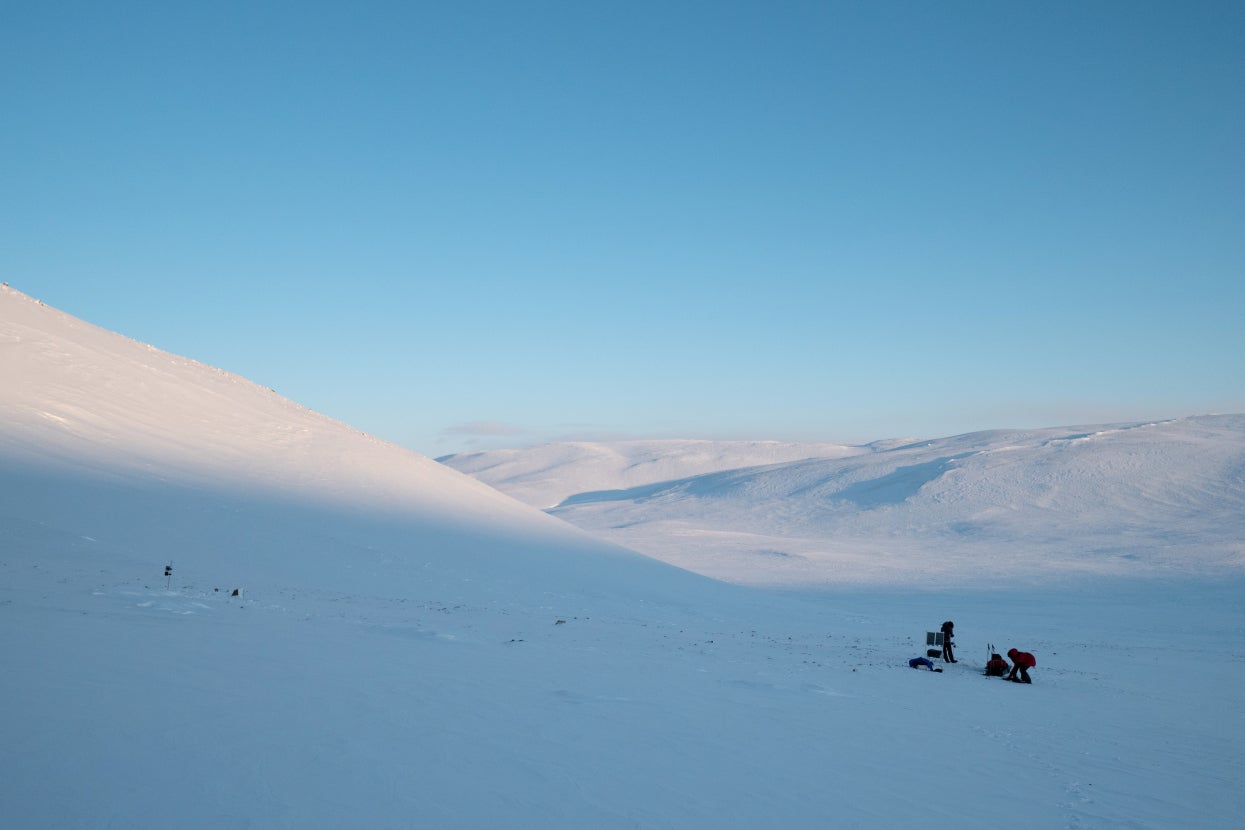
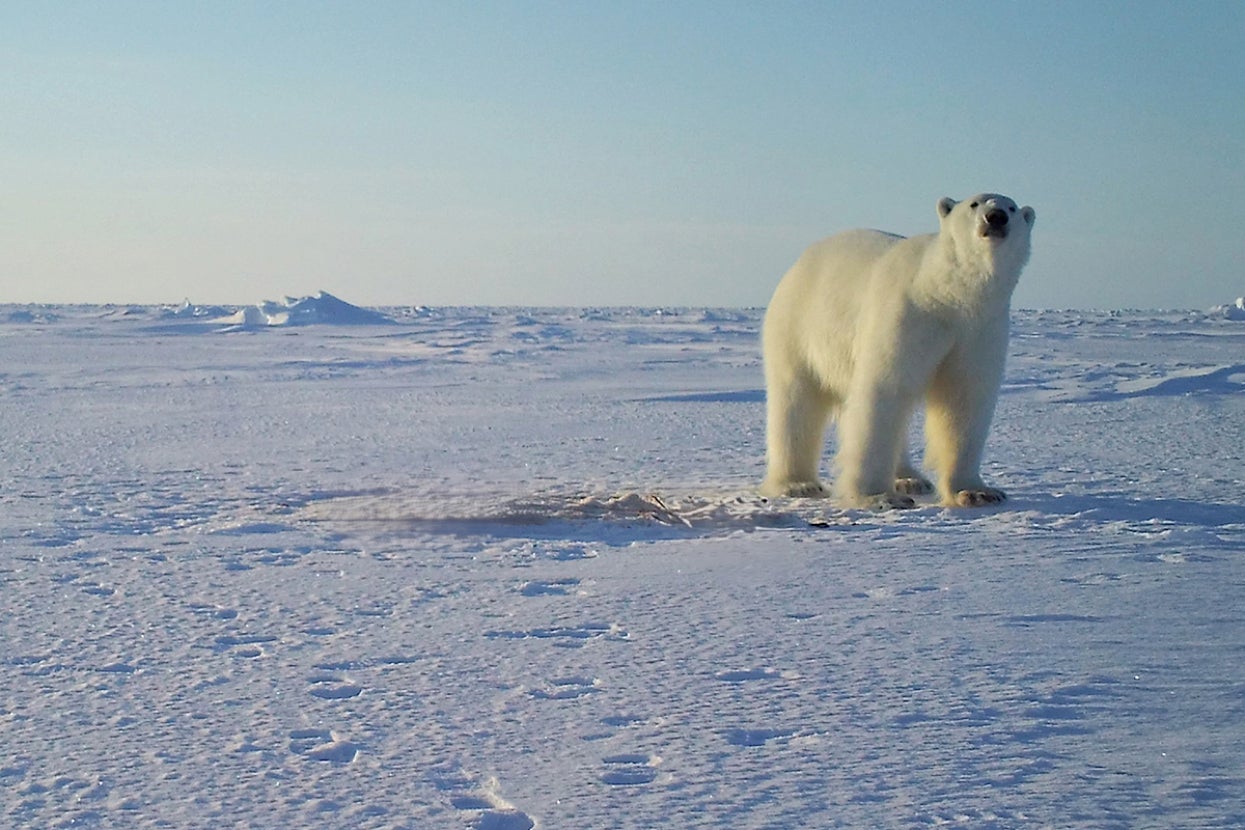
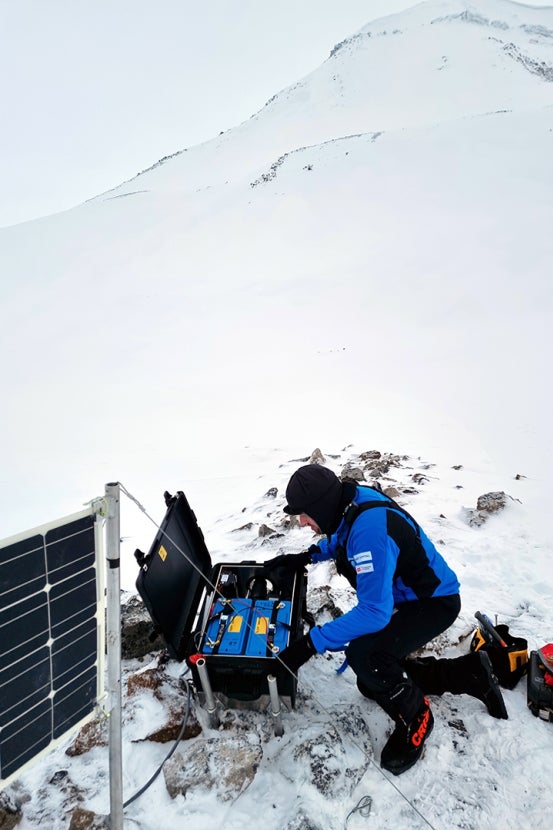
With our partners, we deployed Mini DenCams to monitor polar bears denning behaviors. | Top Left Photo Credit: Polar Bears International
With a longstanding partner through our Oceans Conservation Hub, the team developed innovative Mini DenCam to monitor dens. Whether it’s sunny summer or a polar night blizzard, this tool gathers data on denning and help researchers find sustainable conservation solutions for these Arctic icons. That’s one big win for an even bigger bear.
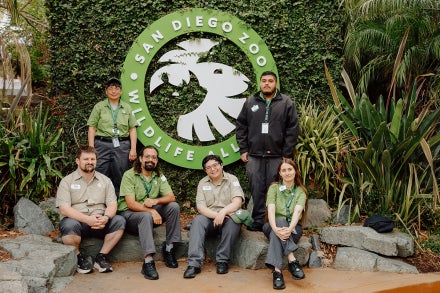
The Conservation Tech Lab is a powerhouse team that’s designing, building, and refining innovative and scalable tools that can be used to protect and restore biodiversity. Projects like AniML and the Mini DenCam are only scratching the surface of their work. Their expertise is the foundation for every new development, and each one brings us a step closer to creating a world where all life thrives. There’s no limit to what the Conservation Tech Lab can achieve.
Stay tuned for more fascinating stories about their work.
Discover how the support of wildlife allies like you is making the Conservation Technology Lab’s strides possible for wildlife here in San Diego and across the globe through our eight Conservation Hubs.