




As the sun sets across the Andes Mountains, a small, dark bear is nimbly climbing to a nest high in the trees. After a day spent foraging for fruits and bromeliads, this Andean bear is ready to spend the night slumbering peacefully. They feel safe in this secluded spot, but there have been eyes upon them—the eyes of San Diego Zoo Wildlife Alliance scientists, watching them come and go via undetectable trail cameras.
Trail cameras are just one of the many ways our conservation and population sustainability experts are working to safeguard Andean bears and their native habitats through our Amazonia Conservation Hub. Observing the natural behaviors of this elusive ursid in its remote environment is a challenge to even the most seasoned professional. That’s why Andean bears being cared for at the San Diego Zoo are vital ambassadors, creating the crucial link between bears in the Andes and the people striving to protect them.
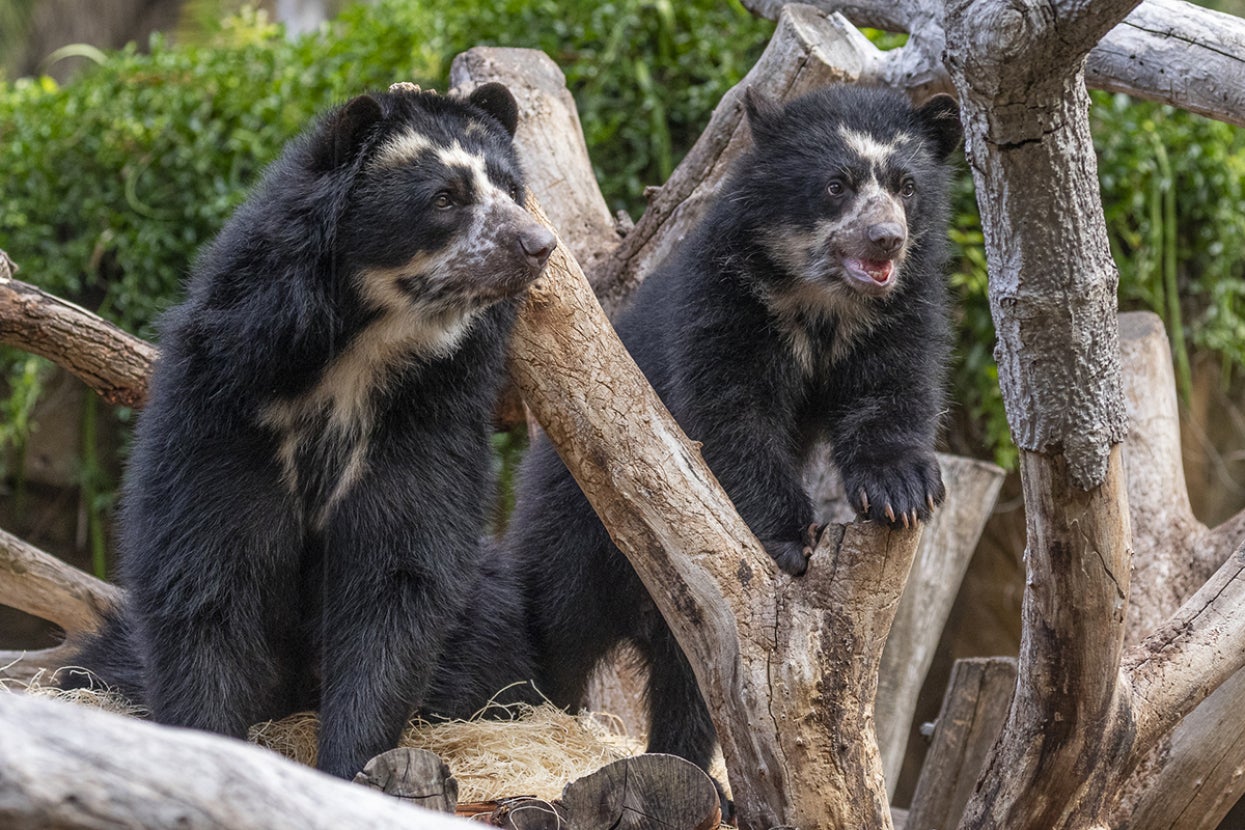
Andean bears thriving at the San Diego Zoo are vital ambassadors for their species.
Taking Care of Andean Bears
Andean bears have been classified as vulnerable by the International Union for Conservation of Nature since 1982. They are one of the smallest of the eight bear species, and the only one found in South America. Their current range in the tropical Andes stretches from Venezuela and Colombia down through Ecuador, Peru, and Bolivia, a region predicted to be one of the most impacted by changes in climate in the future.
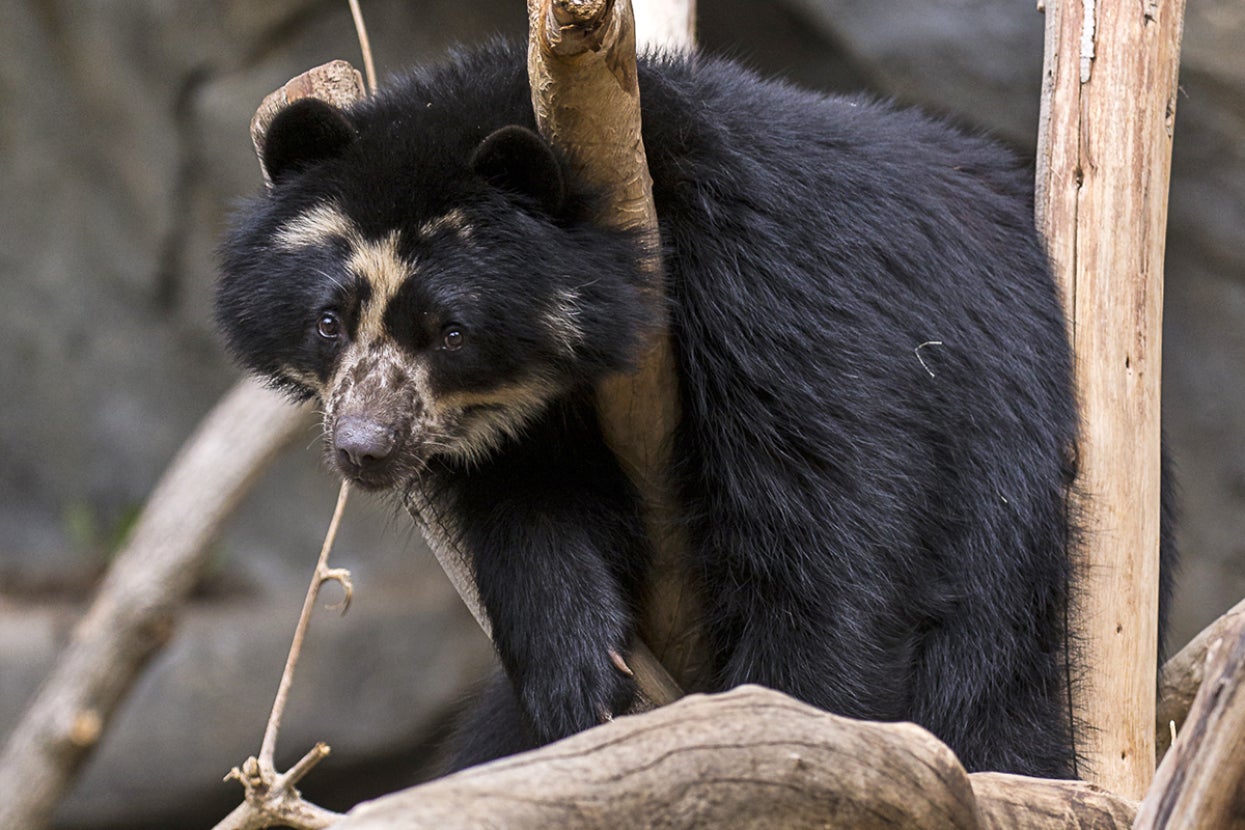
Andean bears have been classified as vulnerable since 1982.
Population estimates for Andean bears in native habitats are between 2,500 and 10,000, with numbers declining. This wide range may be due to different approaches used for population monitoring across their five range countries, in addition to the difficulty of learning from the bears in the Andes. Very little is known about Andean bears and how they engage with their environment; they keep to themselves and stay away from people, spending their time in lush tropical forests and surrounding grasslands. This isolation helps protect them, but it also makes it very difficult for the people dedicated to preserving them and their native ecosystems.
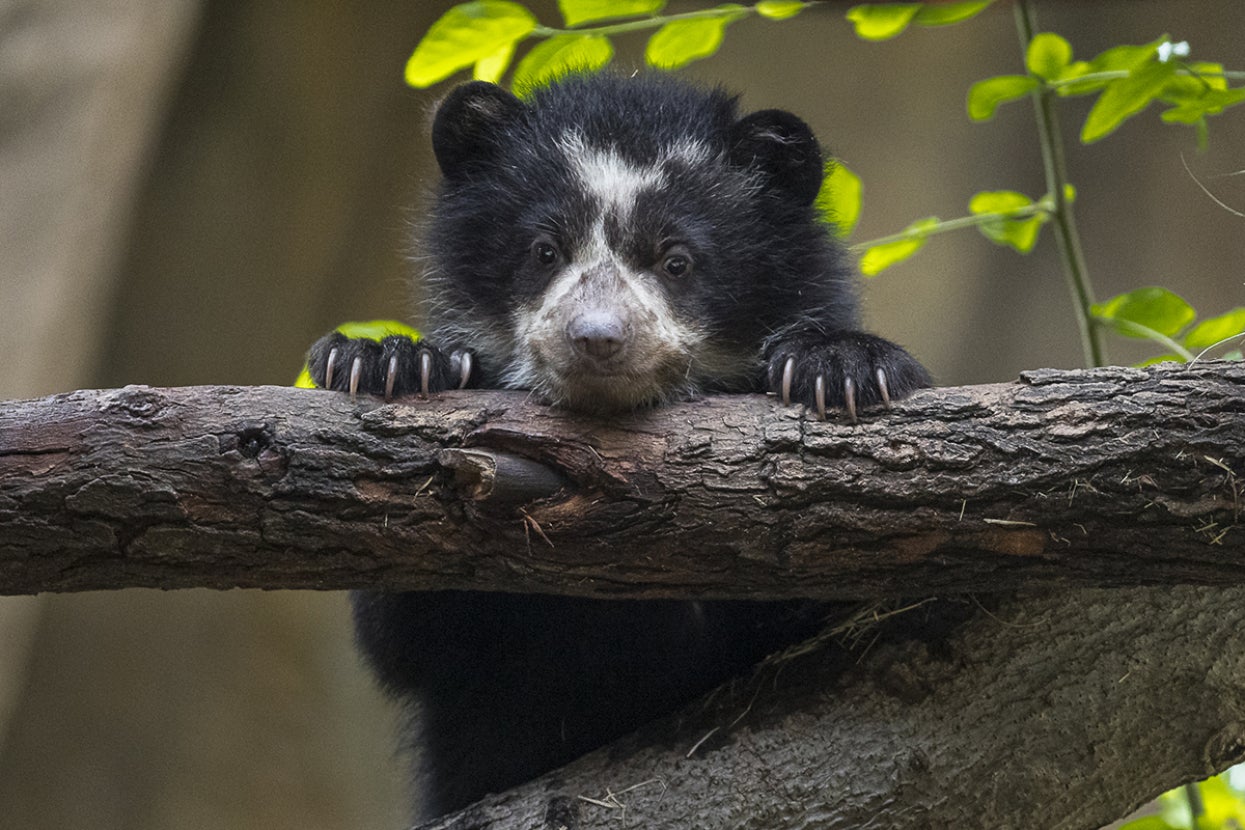
Andean bears live in isolated tropical forests and grasslands, making it difficult to learn about them in native habitats.
The first Andean bears were welcomed to the San Diego Zoo in 1938, and we remain one of the only conservation organizations in the United States that has the honor of caring for this unique species. Because Andean bears are so challenging to experience in native habitats, bears thriving in zoos provide a valuable opportunity to gain information essential to protecting them worldwide.
San Diego Zoo Wildlife Alliance has been involved in Andean bear conservation efforts since 2008, working with partners in Peru to learn about the bears’ foraging and marking behavior, trail use, how they communicate, and other ways they interact with the environment and each other. Now we’re focusing on the future by implementing more advanced technology, developing new methods and techniques that can better support field research, and sharing what we know with scientists globally.
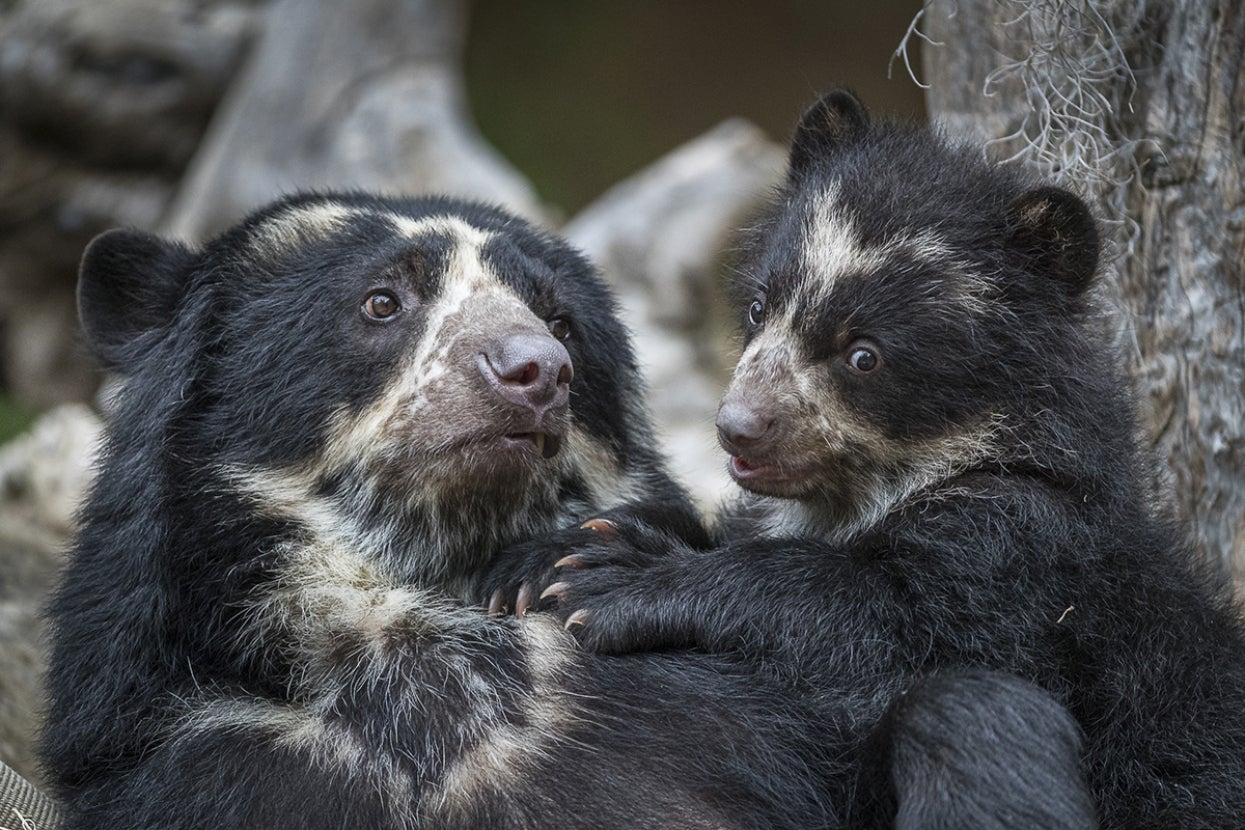
San Diego Zoo Wildlife Alliance has been involved in global Andean bear conservation efforts since 2008.
Improving a Hairy Situation
Blood samples taken from Andean bears at the San Diego Zoo and other conservation organizations during wellness exams are currently being used to develop genetic tools that will eventually improve the data we can collect in the field. Because samples from bears in human care are of such a high quality, they can provide a framework that can be used to analyze lower-quality samples, such as hair and feces found in native habitats.
While high-quality blood samples will contain a complete genome (all genetic material that makes up an organism), lower-quality samples will be more degraded and may contain only fragmented parts of the genome, which limits how much we can learn from it. A new toolkit developed by researchers from San Diego Zoo Wildlife Alliance gives scientists a “recipe” they can apply to degraded samples in order to pull the same information from it that they could from a high-quality sample. By doing this, they can detect variations in the genomes of Andean bears in different regions.
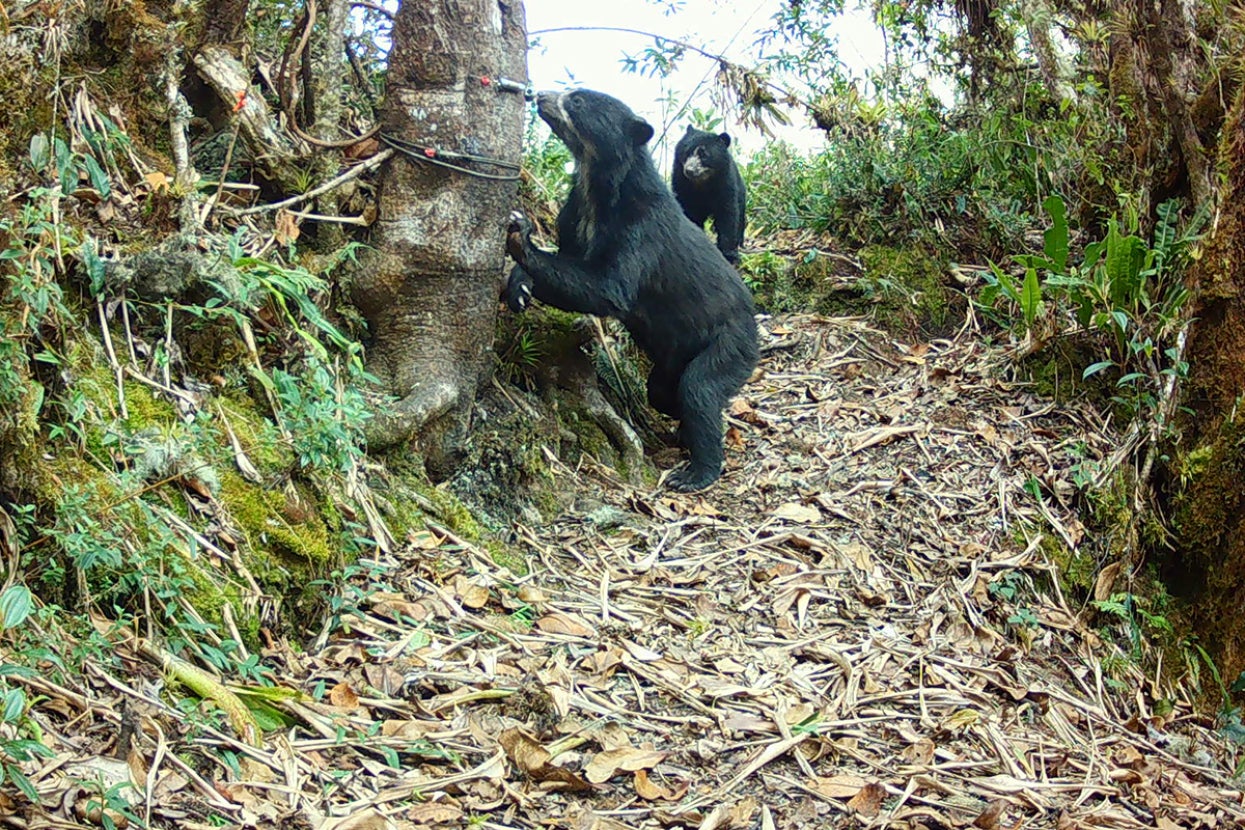
Using noninvasive hair sampling devices, like the one wrapped around this tree, scientists can collect DNA from Andean bears in remote locations. | Photo credit: Manú National Park
One of our goals as a global Alliance is to mentor and support conservationists working in Peru. In May 2026, geneticists from four of the Andean bears’ range countries will meet at a lab led by San Diego Zoo Wildlife Alliance scientists, along with Peruvian biologists and our partners at Los Amigos Biological Station, to learn how to use this toolkit. They will be trained how to use the recipes from the toolkit to enhance samples they gather themselves, empowering them to go back to their own labs in different areas of the bears’ range and start performing more complete analyses. Data collected from many regions using the same methods and techniques is much more valuable; by comparing this similar data, scientists can determine differences in populations across the region, which can influence sustainability decisions that are tailored to each population’s needs.
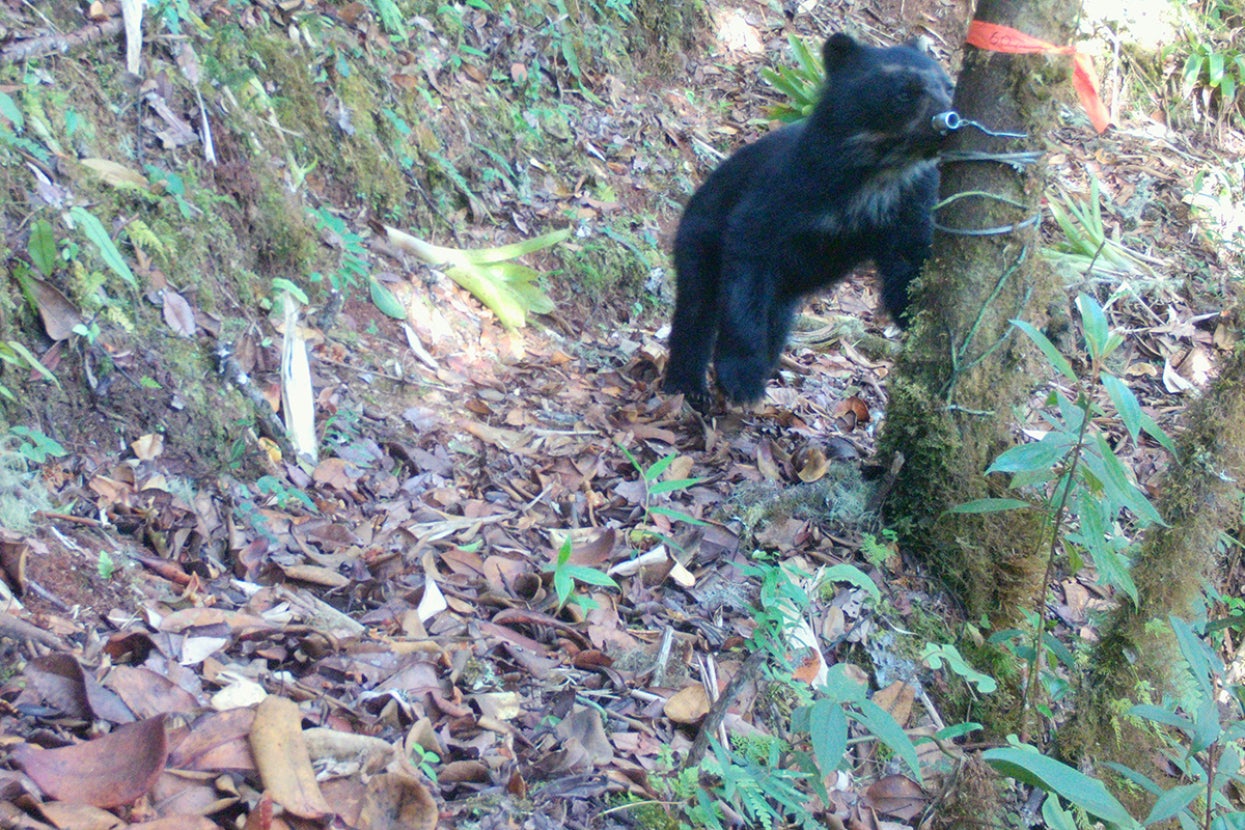
Hair sampling devices, like the one on this tree, allow scientists to gather important data without impacting the bears. | Photo credit: Manú National Park
Focusing on Innovation
A key to protecting Andean bears is ensuring they have everything they need in their environment. One way to tell the quality of an area is to do a density estimate, which involves counting how many individual bears live within a certain perimeter; a space with a large number of healthy bears is more likely to have the resources they need to thrive. However, it is very difficult to determine the exact number of Andean bears present in native habitats, partially due to the region being rural and rugged.
Researchers are able to position trail cameras in these places, and they regularly capture images of Andean bears, but the bears still needed identified before they can be counted. Telling the bears apart through pictures alone was a difficult and time-consuming task, until San Diego Zoo Wildlife Alliance’s Conservation Technology Lab focused their trail cameras on an innovative solution.
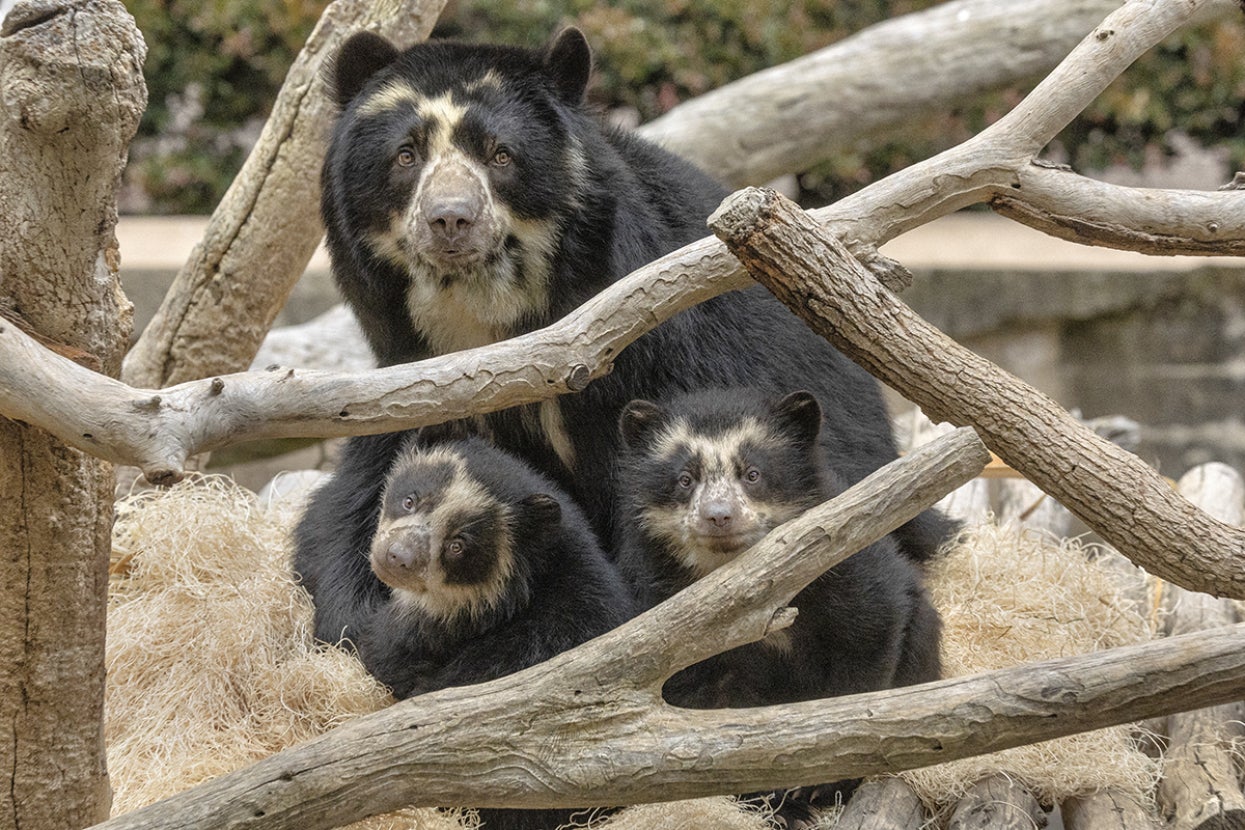
Facial markings are as unique to each Andean bear as fingerprints are to people.
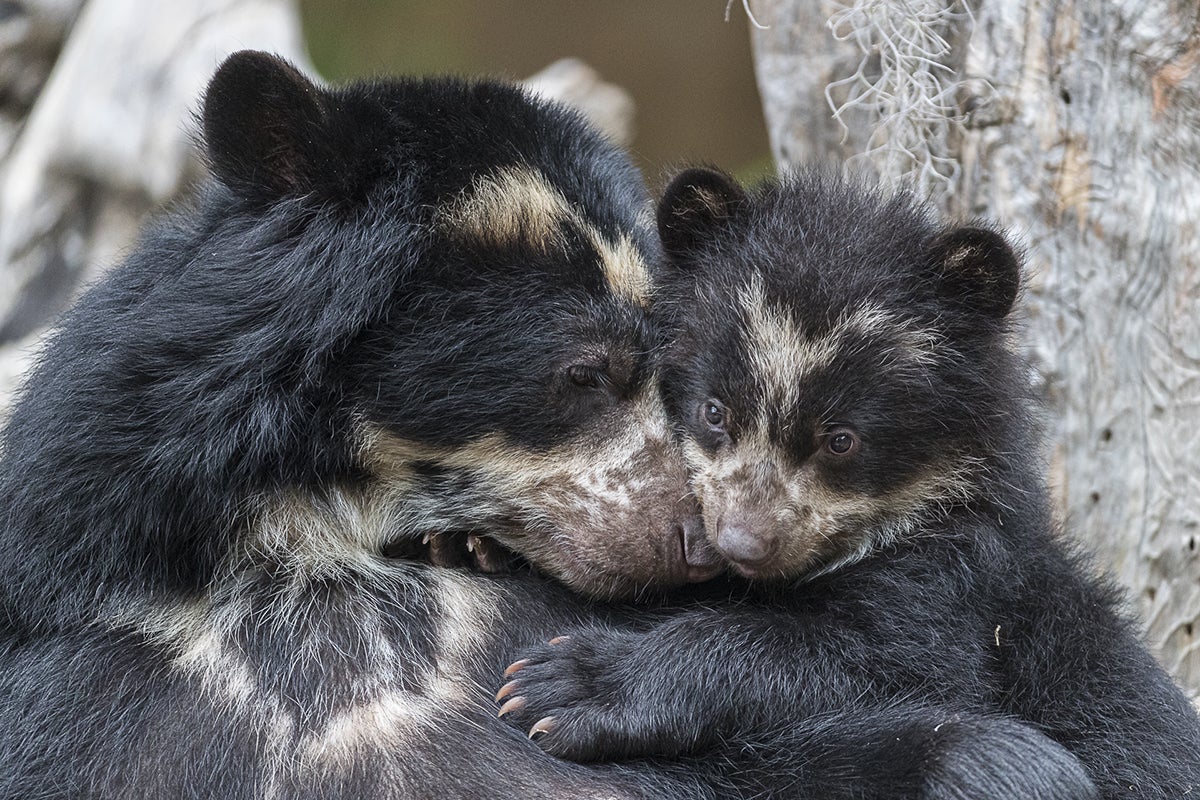
Andean bears have markings of lighter fur on their face and often around their eyes, giving them the alternate name “spectacled bear.” These markings are distinct for each bear, just like fingerprints. Teams at our Conservation Technology Lab are creating artificial intelligence algorithms to match patterns, including those in facial markings, by using photos of the Andean bears cared for at the San Diego Zoo and other zoos to train the model. These models can identify wildlife seen in trail camera images much faster, and often more accurately, than a person could. By rapidly processing this data, those working to protect Andean bears can respond to conditions as they were recently, not several years before, resulting in more accurate and impactful conservation plans and actions.
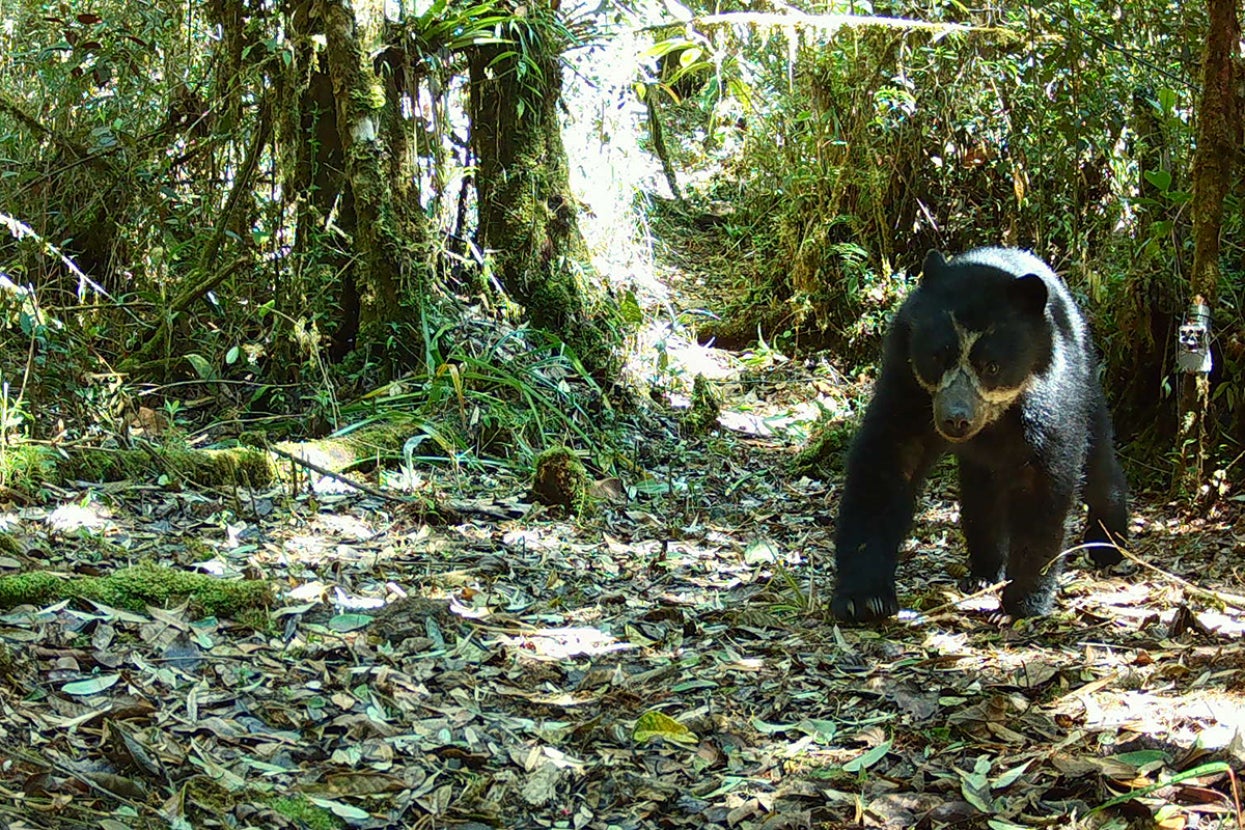
Photos of Andean bears cared for at the San Diego Zoo are making it easier for scientists to identify bears in native habitats. | Photo credit: Tabaconas Namballe National Reserve
Measuring Success
While much is known about body condition, caloric needs, and other nutrition requirements for other bear species, that vital material doesn’t exist for Andean bears. Most of the information we have about body condition of Andean bears across different populations comes from trail camera images, but it is difficult to estimate physical measurements through a picture. Body condition is best determined by actually measuring the bear, which is challenging to do with bears in native habitats.
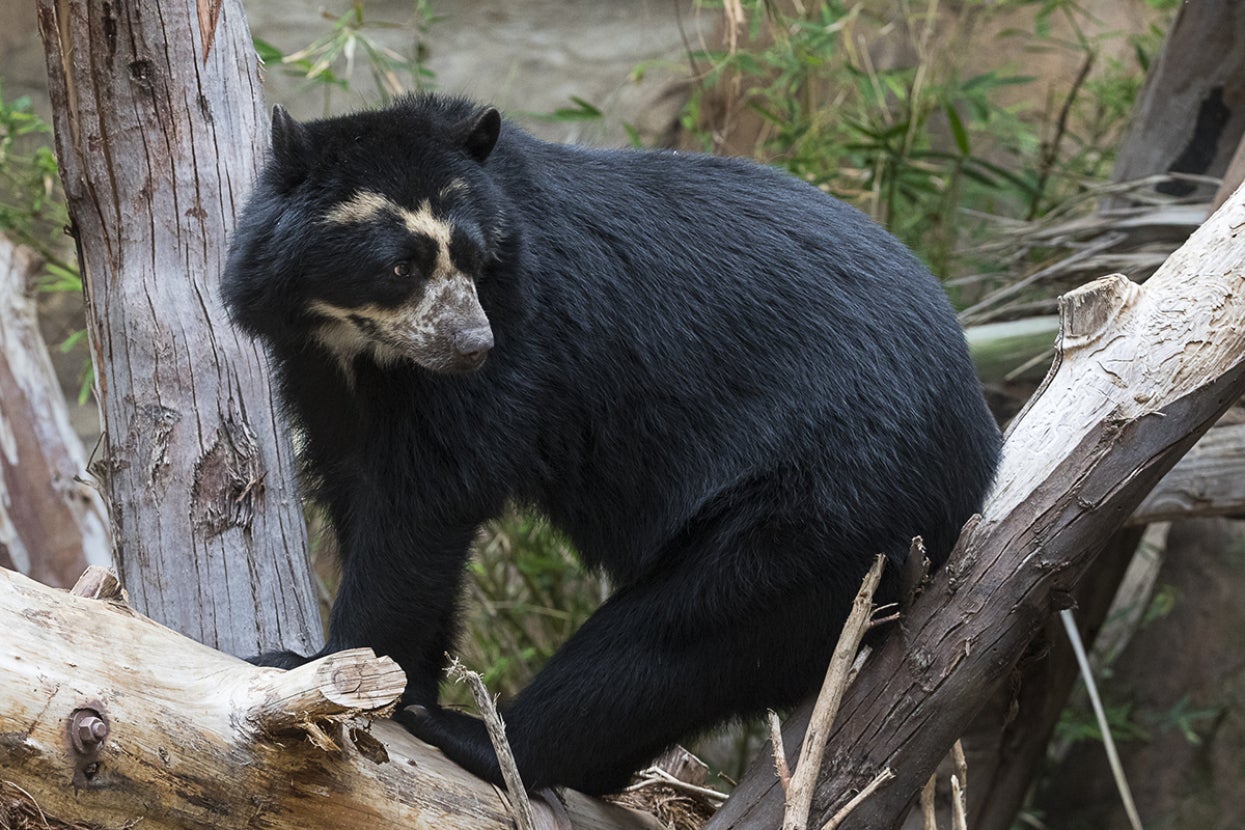
Measurements and photographs of Andean bears at the San Diego Zoo are used to develop innovative conservation solutions.
During routine wellness exams, Andean bears at the San Diego Zoo are measured regularly and thoroughly. Using an array of measurements and photographs from bears living at the Zoo and partner conservation organizations, San Diego Zoo Wildlife Alliance teams were able to create a system that measures Andean bears in native habitats using only trail camera images. By overlaying a grid on the images, they can consistently approximate body size and condition, and are working on a method for assessing body mass. They are confident the technology will perform successfully in the field because they were able to perfect it while working with Andean bears at the San Diego Zoo.
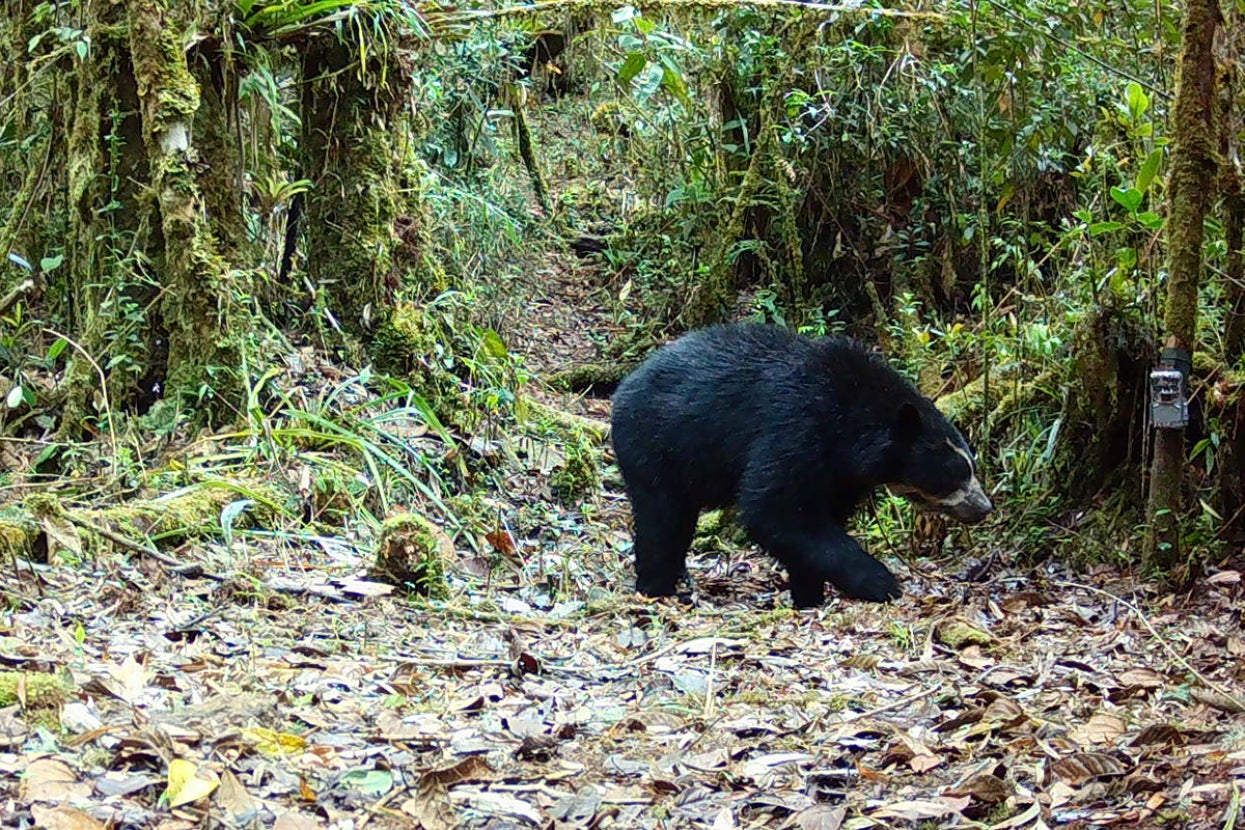
Technology developed by San Diego Zoo Wildlife Alliance will help scientists measure Andean bears in native habitats using trail camera images. | Photo credit: Tabaconas Namballe National Reserve
This revolutionary method will be shared freely with partner organizations. In spring 2026, San Diego Zoo Wildlife Alliance team members will travel to Ecuador to demonstrate how to use the method in the field, as well as properly analyze the images. The data provided by evaluating body condition is crucial and unique because it demonstrates what’s going on in an environment in close to real time. If bears are larger or smaller in different areas, or have varying levels of body fat, it can indicate significant differences in the quality of the habitats, which can help inform future conservation solutions.
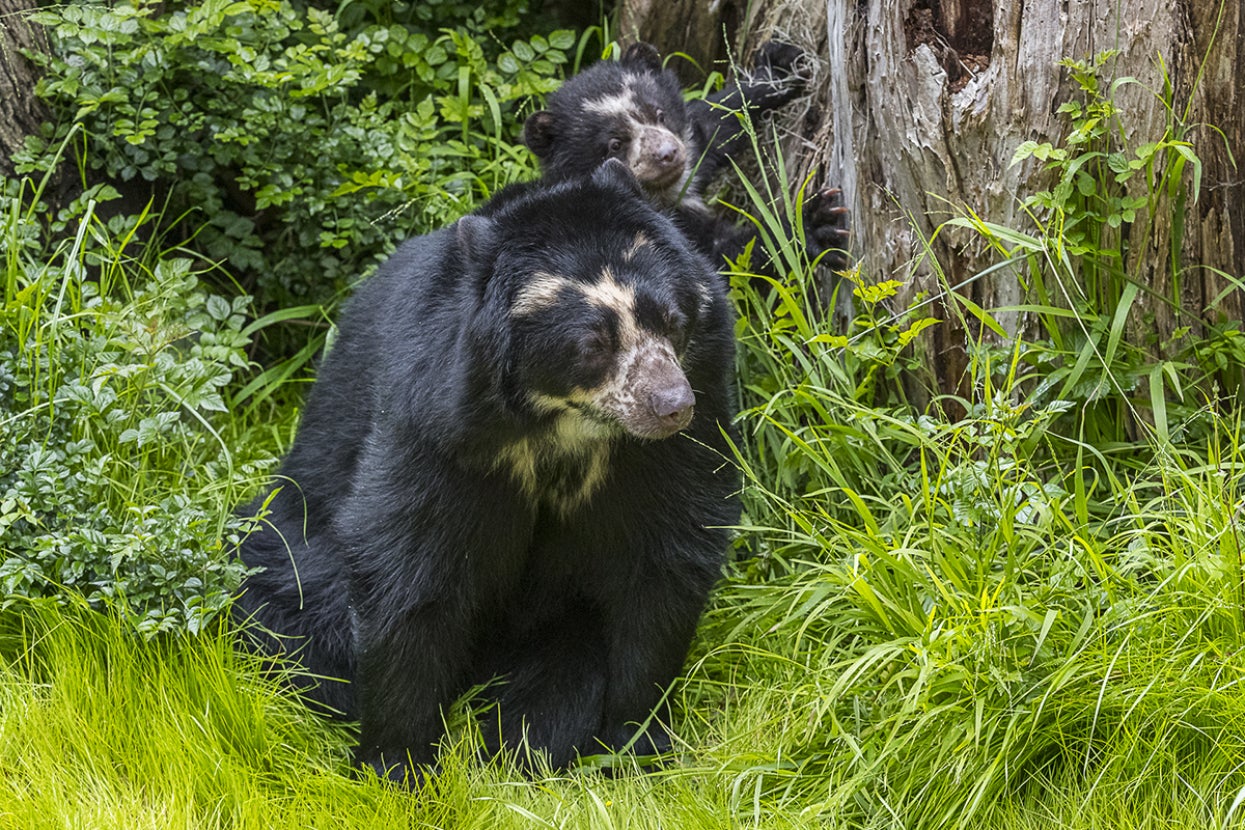
Evaluating the quality of habitats across Andean bears’ native range will help inform future conservation decisions.
Allies for Andeans
Because resources differ greatly across teams throughout the Andes, there are some Andean bear populations that are very well studied, and others that aren’t. Closing that gap using tools and technology developed while caring for Andean bears in zoos has incredible impacts for Andean bears globally.
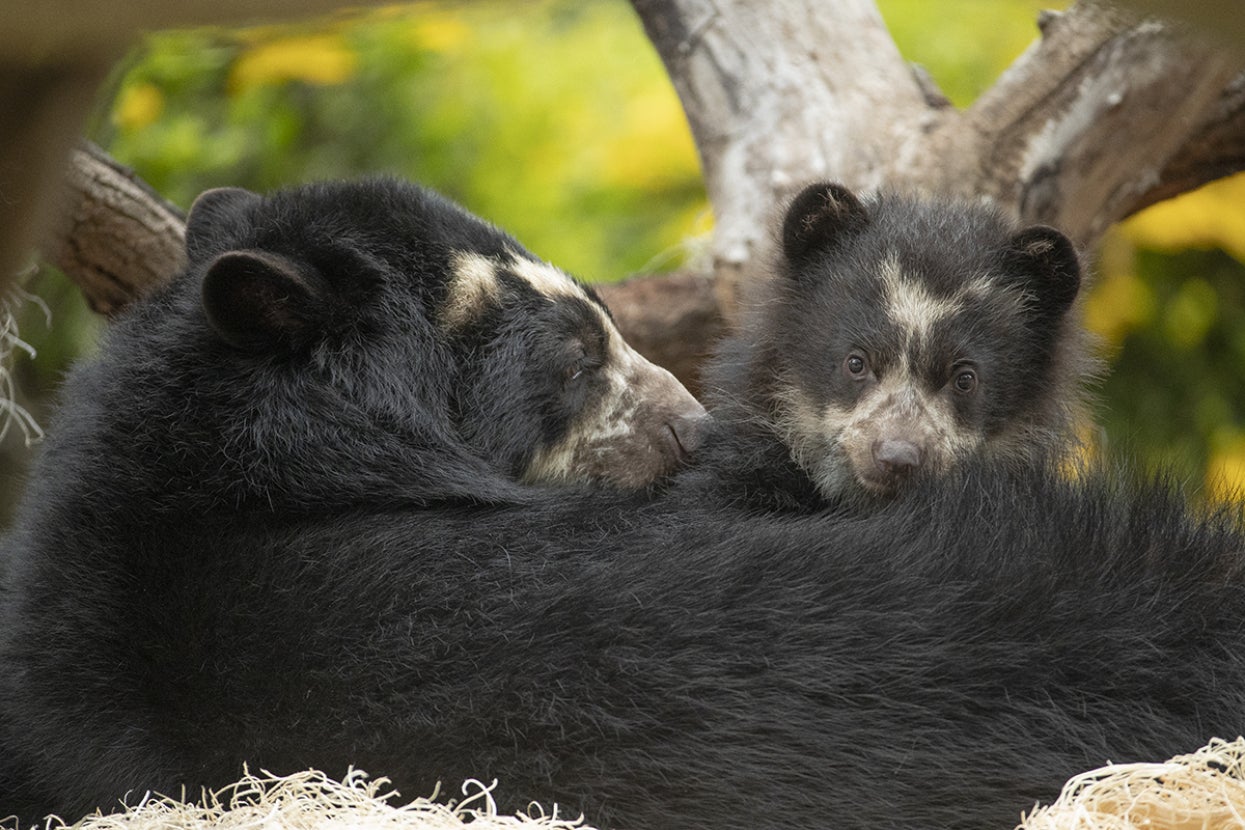
San Diego Zoo Wildlife Alliance is honored to play a part in conserving Andean bears around the world.
San Diego Zoo Wildlife Alliance is honored to continue on this conservation journey by welcoming opportunities to celebrate Andean bear ambassadors at the San Diego Zoo and supporting teams in San Diego and around the world in coming up with innovative solutions to safeguard this vibrant species and the environments they call home.
Learn more about the groundbreaking work we’ve done with Andean bears and partners worldwide through our Amazonia Conservation Hub.