




For decades, a mouse the size of our thumb was thought to be extinct across their native Southern California habitats. Then a small population of Pacific pocket mice was rediscovered. Along with renewed hope for their species, it also initiated the Pacific pocket mouse conservation efforts at San Diego Zoo Wildlife Alliance—leading to the first successful program of its kind for these critically endangered mice.
Over the past 20 years, the Alliance’s collaborative conservation work has made incredible progress for Pacific pocket mice, and today this program is a cornerstone of our Southwest Conservation Hub.
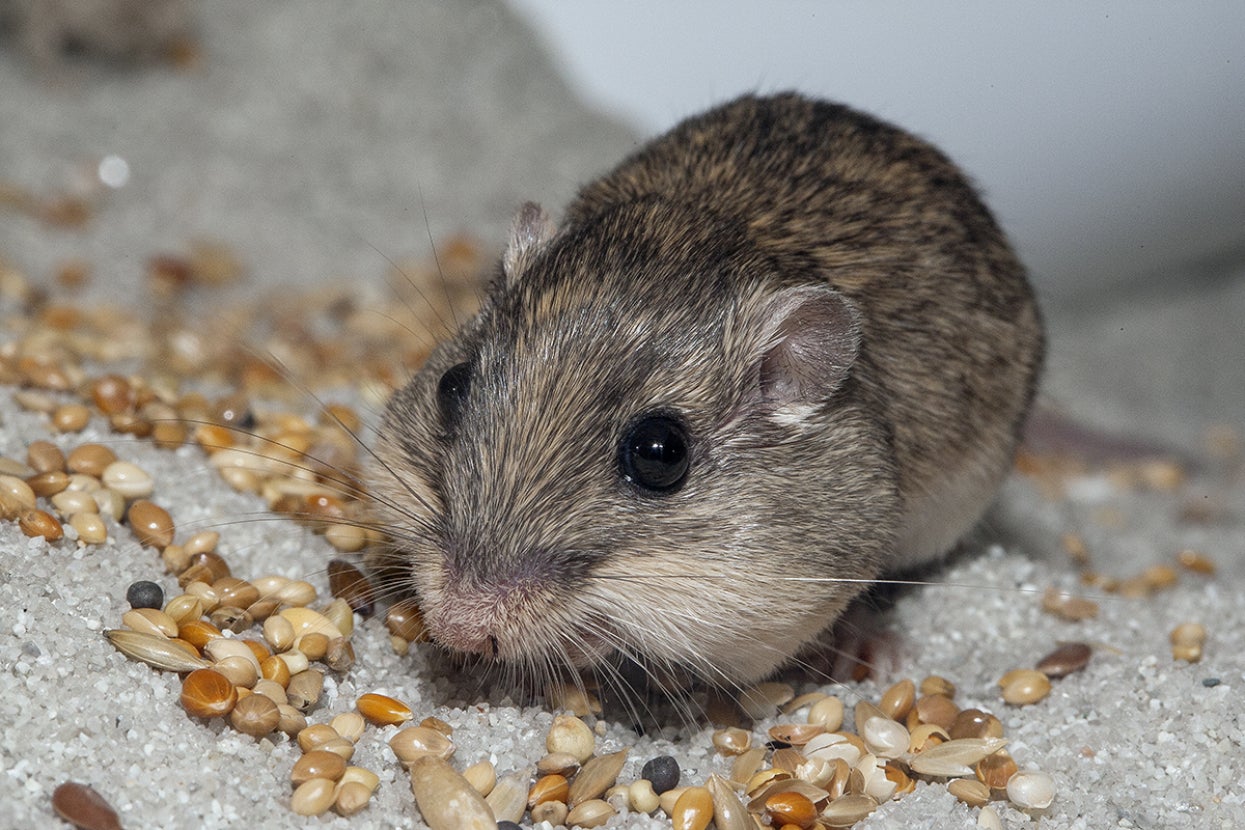
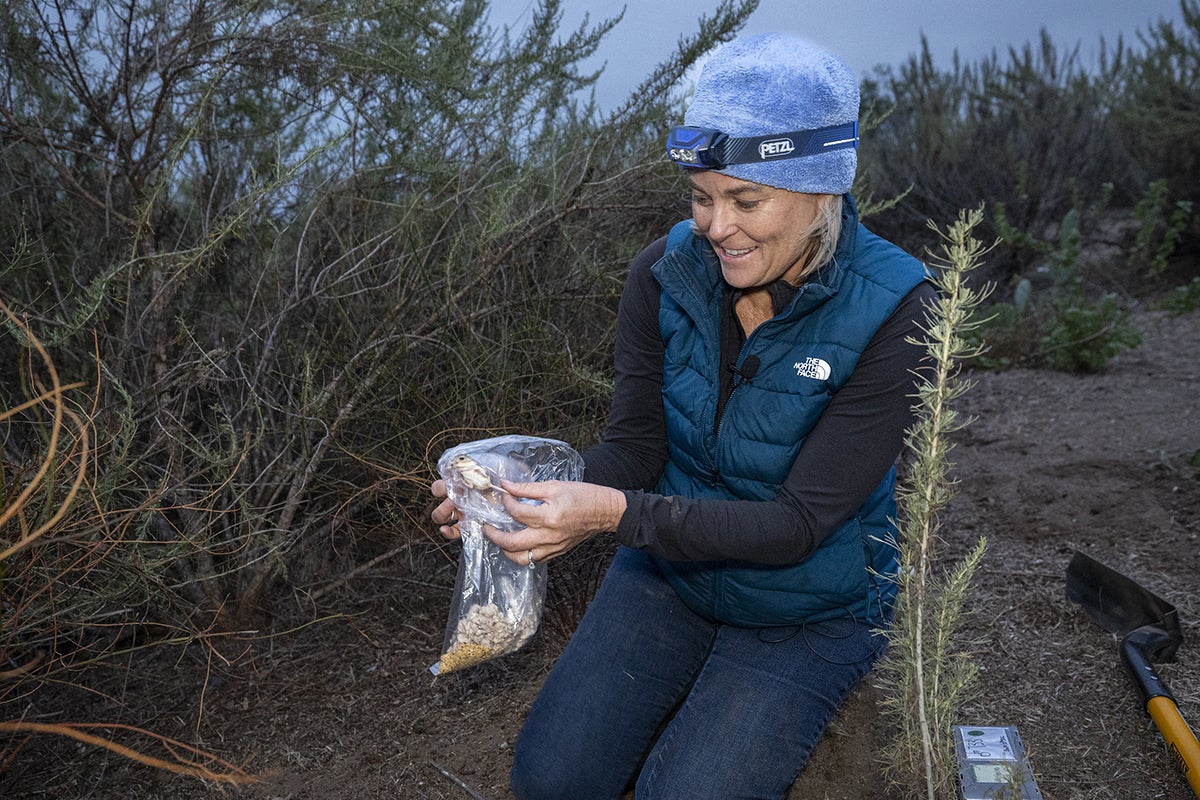
Pacific pocket mice were thought to be extinct for decades.
From Reaction to Recovery
The conservation program began as an emergency response to the dire situation that Pacific pocket mice were facing. Since then, one of its defining achievements is that it has evolved to focus on proactive, science-driven recovery for North America’s smallest mouse. The program’s team of conservation experts integrate wildlife behavior, genetics, veterinary medicine, assisted reproduction, nutrition, native habitat restoration, demographic modeling, and long-term monitoring to make evidence-based management decisions.
As Debra Shier, Brown Endowed Associate Director of Recovery Ecology, reflects on the program’s growth, she says, “Twenty years ago, every Pacific pocket mouse was precious because there were so few left. Today we're managing multiple reintroduced populations, refining genetic rescue strategies, sharing our methods internationally, and applying what we've learned to recover other endangered species.” She emphasizes how much collaboration across the Alliance, in addition to our government agency and land management partners, has played a critical role in the approach’s success.
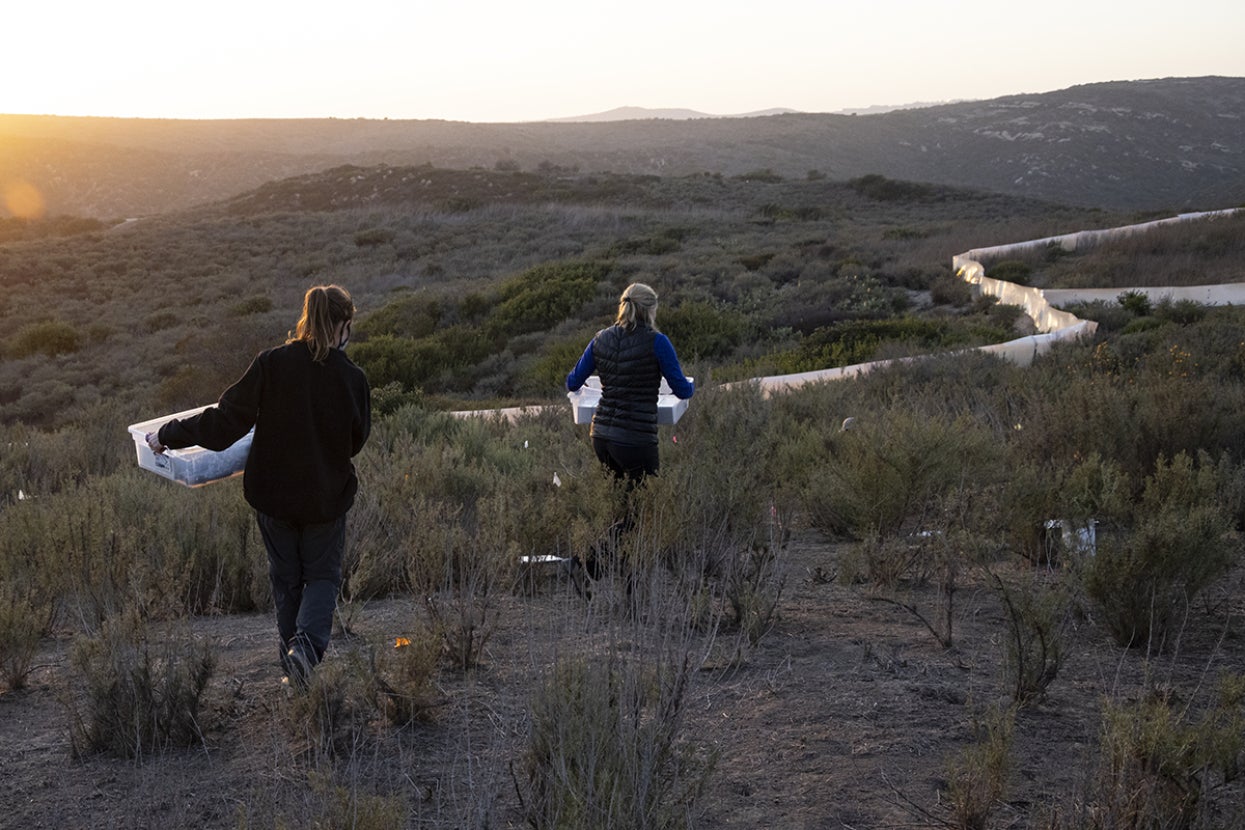
The Pacific pocket mouse conservation program focuses on proactive, science-driven recovery for North America's smallest mouse.
More Than Just a Mouse
All of this might seem like a lot of fuss for an animal that weighs about as much as three pennies and measures around five inches from their nose to tail tip. Pacific pocket mice are vital to the overall health of their native sandy, coastal ecosystems.
These mice line their fur-lined cheek with seeds and disperse them throughout the landscape. They also store seeds in their underground chambers, leading to plants sprouting right underneath their noses. Pacific pocket mouse burrows can be an inch under the surface with one to four chambers and up to three entrances, stabilizing and aerating the soil while adding more nutrients to it.
Fun Fact: Pacific pocket mice are more closely related to beavers than to a household mouse. Dig into more fun facts like this here.
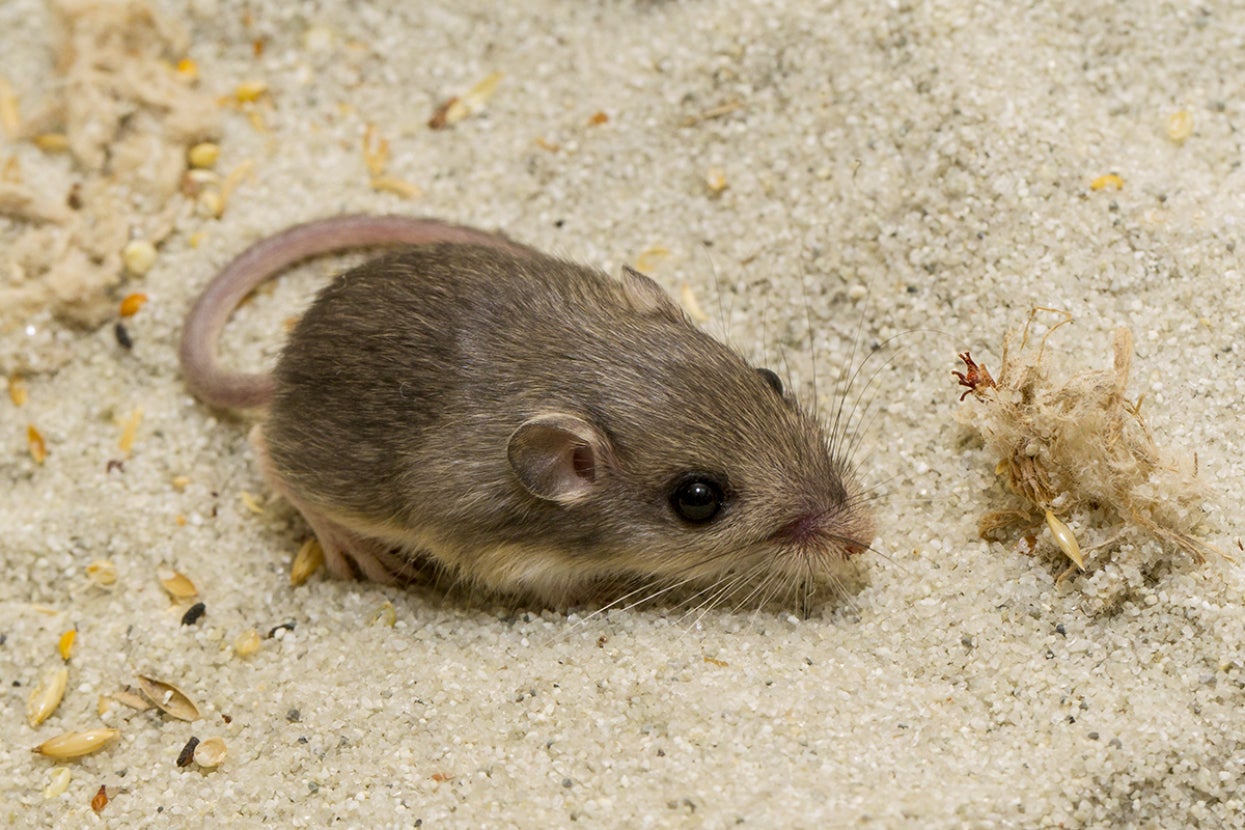
To prepare for reintroduction, each Pacific pocket mouse is required to go through behavioral training exercises.
Tiny Training Camp
One of the most notable accomplishments of this program has been the successful reintroduction to native habitats of Pacific pocket mice raised at the San Diego Zoo Safari Park. To achieve this, it took years of dedicated efforts to determine exactly what would help these mice thrive in their native habitats. What was needed, you ask? A “training camp” for these superhero mice to increase their resilience and learn all the skills they need.
Before each Pacific pocket mouse is reintroduced, they’re required they go through behavioral training exercises. The mice learn to recognize predators—on land and from above. They’re also introduced to competing rodent species, which helps them gather resources more efficiently. Lastly, scientists evaluate how effectively they forage for the right foods and construct burrows. Once a mouse demonstrates all of these skills, they become candidates for reintroduction. The behavioral “training camp” has become a defining feature of the overall program and crucial to the sustained success of reintroduced populations.
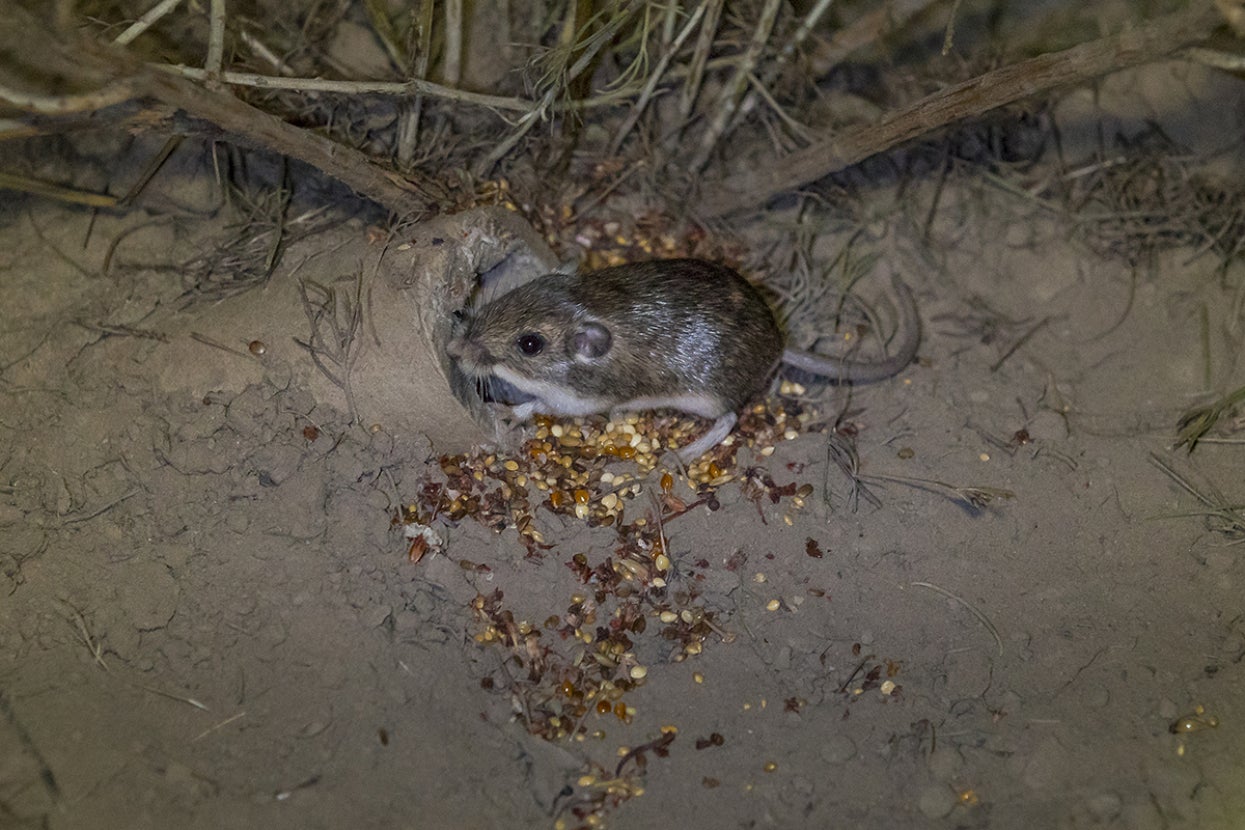
Over 530 mice have been reintroduced into native habitats across Southern California.
Establishing New Populations
Another first-of-its-kind milestone was the establishment of new populations and the first self-sustaining reintroduced populations. Through the conservation program so far, Alliance conservationists have raised more than 900 Pacific pocket mice and reintroduced over 530 individuals back into protected native habitats. Additionally, the reestablished populations have welcomed almost 700 Pacific pocket mice. This program and the experts that are behind it have made an incredible difference for this species on their path to recovery.
In 2026, 50 Pacific pocket mice from our conservation program established a new population at Marine Corps Base Camp Pendleton. The southern area of Camp Pendleton hasn’t had Pacific pocket mice living on it in over two decades and our partners at the United States Geological Survey (USGS) are managing this population long term. Alliance conservationists played an important role to help set the project up for success, showing the importance of collaboration in conservation.
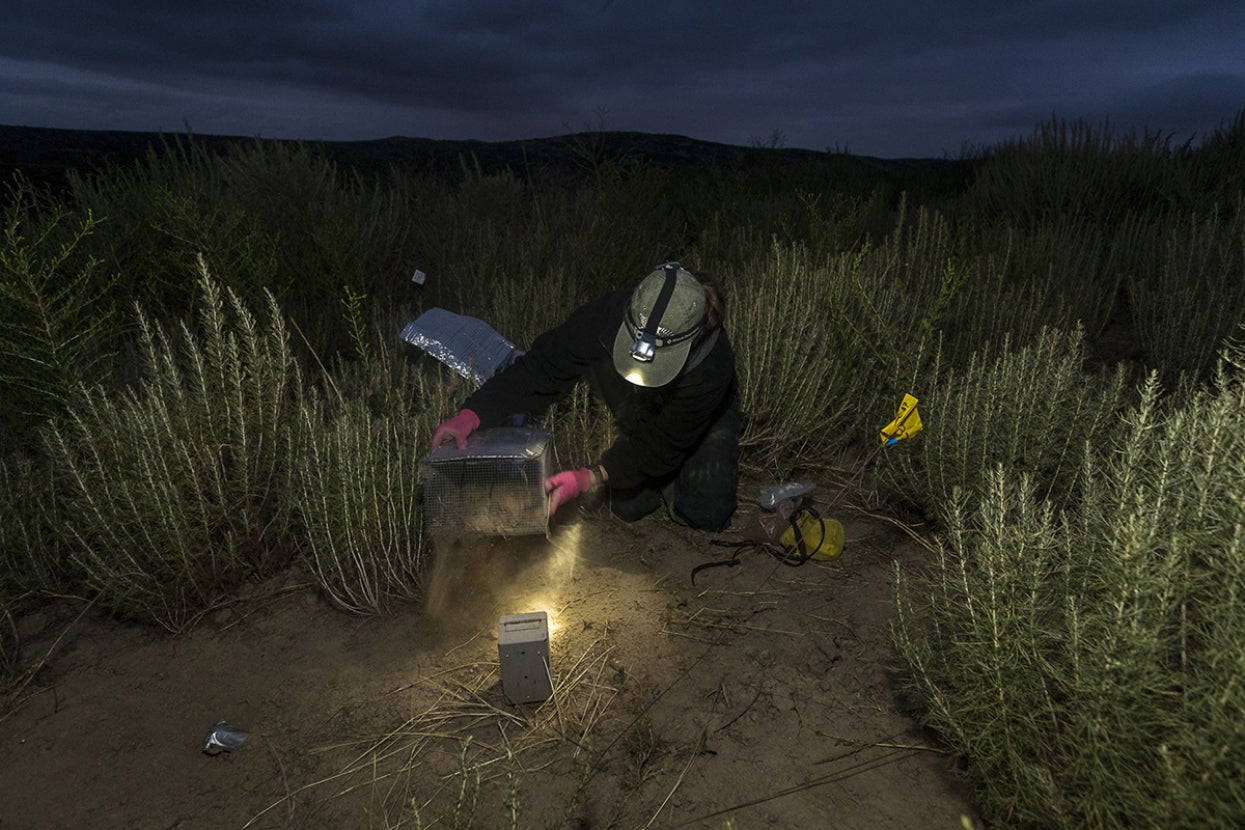
Over nearly a decade, Alliance conservationists developed translocation protocols for reintroduced mice. Now they're sharing the protocols with our partners.
Shier shares, “Over nearly a decade, we developed and refined the translocation protocols that consistently produce high post-reintroduction survival and reproduction. We shared those protocols with our USGS partners, trained their teams in every aspect of the reintroduction process, remained available throughout planning and implementation, and prepared the reintroduction cohort before transferring the mice. It's exciting to see the techniques developed through our program being adopted by other agencies to establish new Pacific pocket mouse populations.” If one thing is certain, strong partnerships accelerate recovery by allowing proven conservation protocols and tools to be applied across landscapes, no matter who is managing them.
To the (Genetic) Rescue
This year, the program began a new chapter in this species’ recovery. Together with our partners, the first genetic rescue efforts to restore genetic diversity to isolated populations were launched. Nine Pacific pocket mice were reintroduced to an existing population of mice at Marine Corps Base Camp Pendleton with the goal of restoring genetic diversity to the small, isolated population. Alliance conservationists first estimated the local population size and used modeling to determine the optimal number of mice to reintroduce.
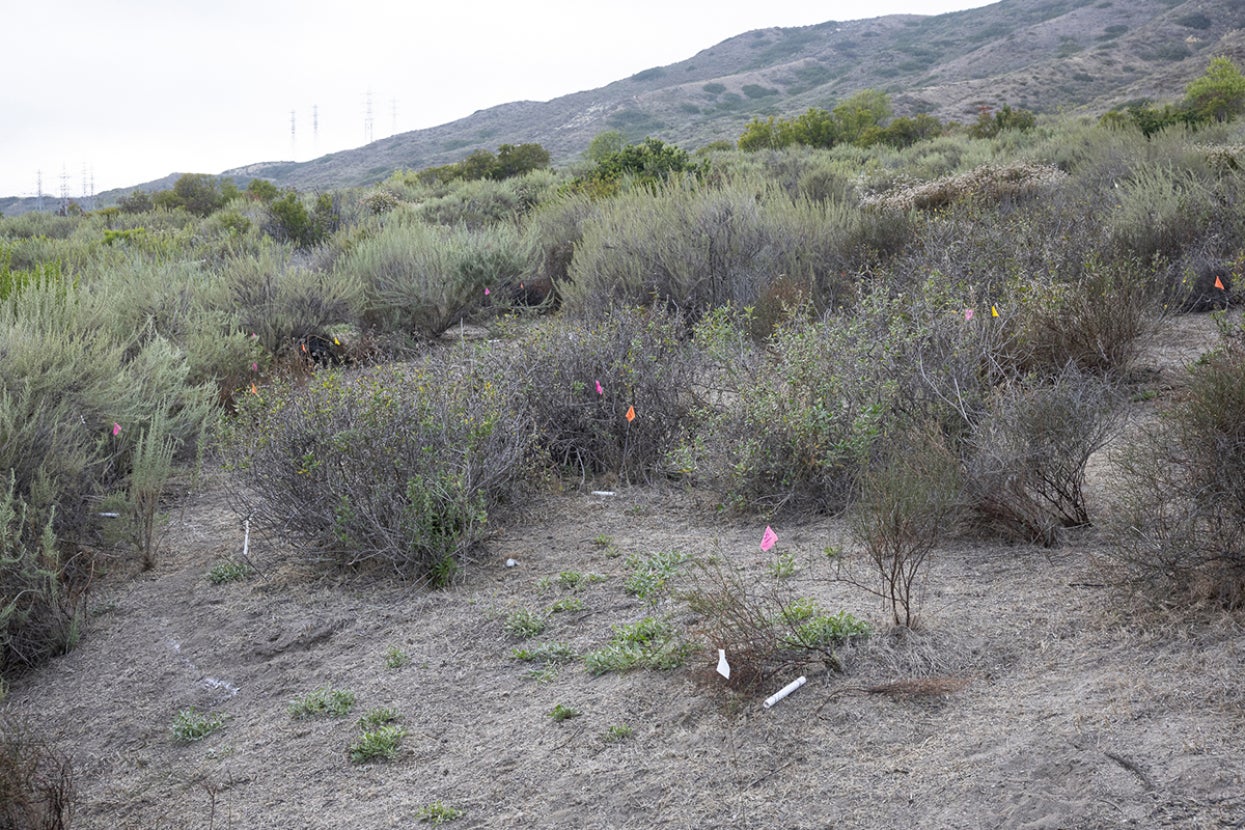
In 2026, the Pacific pocket mouse conservation program supported the establishment of a new population, in addition to the first genetic rescue efforts of another population—both at Marine Corps Base Camp Pendleton.
Based on years of research, more males were reintroduced because they can contribute genes to the population more quickly. Over the coming months, Alliance conservationists will monitor the site and examine samples of any new little ones in the colony. They’ll know the genetic rescue went well if genes are traced from the reintroduced mice to the next generation. If this is successful, we plan to expand our efforts in 2027. If not, we’ll use what we have learned to further improve our methods and try again with the additional knowledge under our belts.
Advancing Mouse Medicine
Despite their small size, Pacific pocket mice have benefited from an extraordinary range of advanced veterinary care. Over the last 20 years, the veterinary team at the Safari Park’s Harter Veterinary Medical Center have developed specialized anesthesia protocols, imaging techniques, microsurgical procedures, cesarean sections, neonatal care, reproductive monitoring, and treatments that simply didn't exist for critically endangered mammals this small.
Many of these procedures had never been attempted in Pacific pocket mice before and required close collaboration between veterinarians, reproductive specialists, wildlife care team members, and field biologists. These advances saved individual animals and increased the long-term success of the entire recovery program.
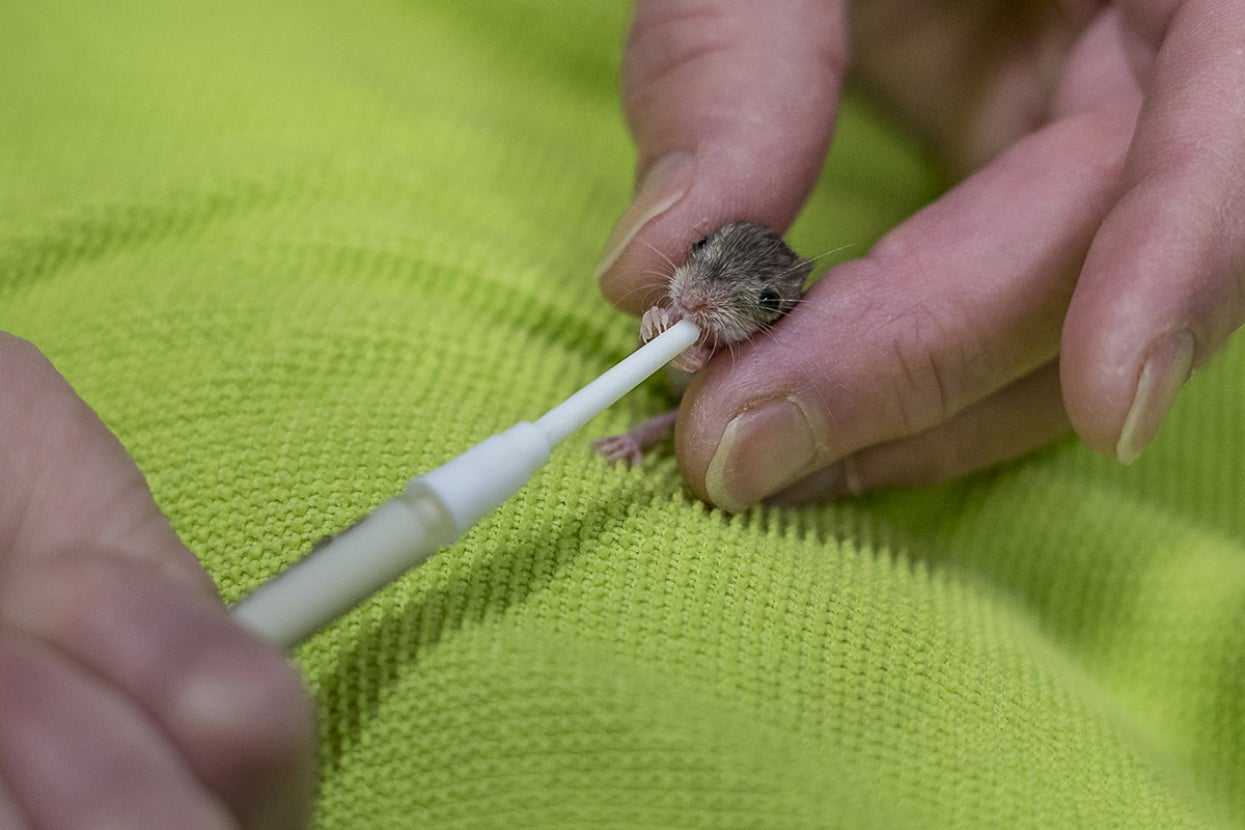
Because of the small size of Pacific pocket mice, our Wildlife Health teams think outside the box to examine and treat these tiny patients.
According to Dr. Ryan Sadler, senior veterinarian at the Safari Park, “We’re able to do many of the things we can for larger animals, but just on a smaller scale. In some instances, however, we’re not able to do the same things for these small guys, so we have to adjust our approach and determine what we can do.”
Recently, a Pacific pocket mouse was showing discomfort with one of his legs. Since he’s so small, the experts needed to consider alternative techniques on how to examine, monitor, and treat the patient. The team used a modified method to anesthetize the mouse safely before using a neonatal stethoscope to track his vitals. Next, they used dental radiographs and a small portable x-ray generator to get as clear of an image as possible of the mouse’s skeleton. Because of this innovative thinking, the team discovered the source of the mouse’s problem: an injured shoulder joint. Finally, they were able to create a treatment plan to help him heal.
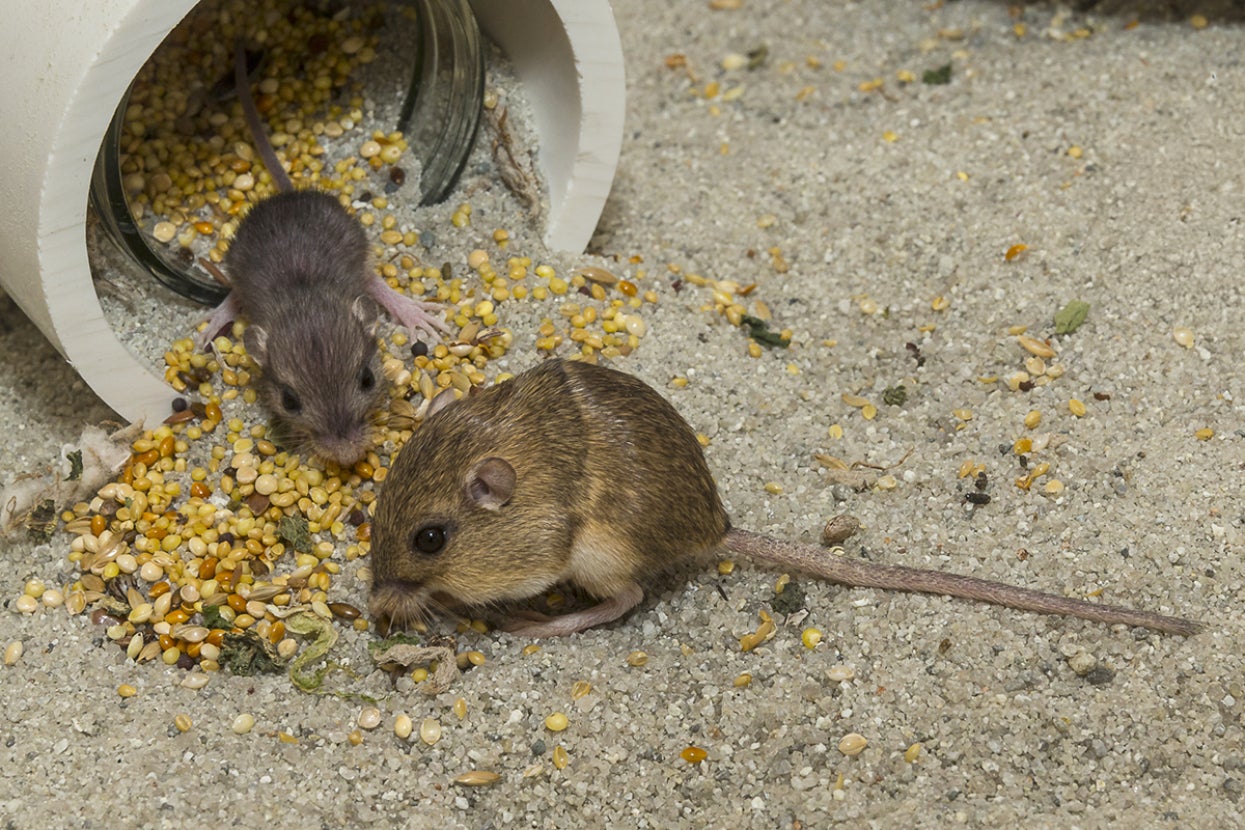
Today the conservation program is also focusing on assisted reproduction to maintain genetic diversity in Pacific pocket mouse populations.
More Recent Breakthroughs
One of the conservation program’s most exciting recent breakthroughs was success with assisted reproduction. Historically, only some Pacific pocket mouse’s genetics entered the recovering population’s gene pool. Yet every mouse carries a unique genetic variation that may be important for the long-term resilience of the species.
The advancements in assisted reproduction provide another tool to ensure those genes remain part of the recovery program, which is becoming increasingly important for future genetic rescue efforts. Two decades ago, the program’s focus was simply to stop Pacific pocket mice from disappearing altogether. Today these reproductive technologies are being used to strategically preserve and propagate genetic diversity.
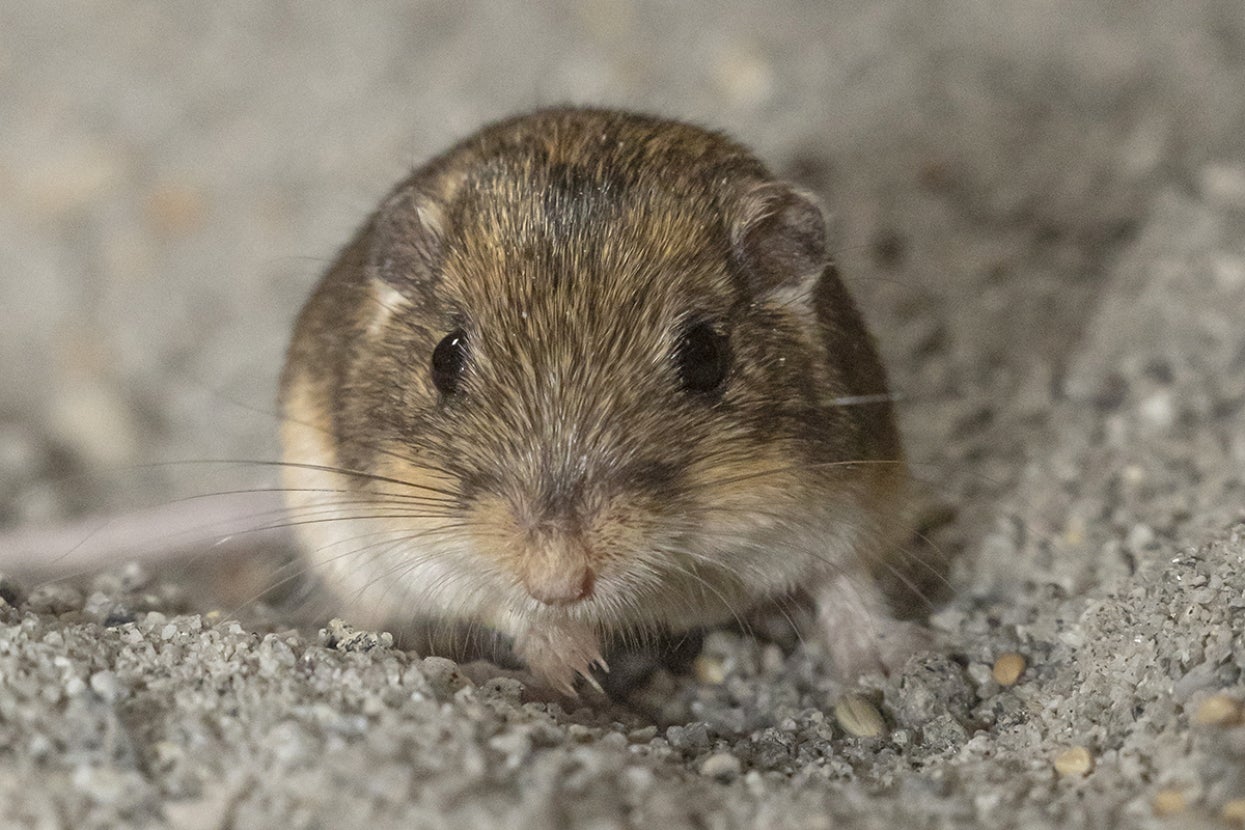
The remarkable conservation program shows just how far we can go when we do it together.
Burrowing Towards the Future
Twenty years in, Alliance conservationists have developed far more than a conservation program for a singular endangered species—they’ve created an integrated recovery model that will help wildlife worldwide. Their work combines wildlife behavior, population monitoring, genetics, veterinary medicine, assisted reproduction, native habitat restoration, demographic modeling, and adaptive management into a holistic recovery approach. To Shier, one of the biggest lessons from this ever-evolving program is that different strategies “must work together if reintroductions are going to succeed long term.”
Because of the efforts of the Alliance’s conservation program, along with the help of our partners, the Pacific pocket mouse’s story isn’t over. This remarkable program is continuing to make strides towards this tiny but might mouse’s recovery, and the last 20 years are evidence of how far we can go when we do it together.
Discover more how your support is safeguarding the future for Pacific pocket mice and the ecosystems they rely on through our Southwest Conservation Hub.